If we begin by making changes in the things we can control, we contribute to building a more patient and peaceful world
Dear brothers and sisters in Christ,
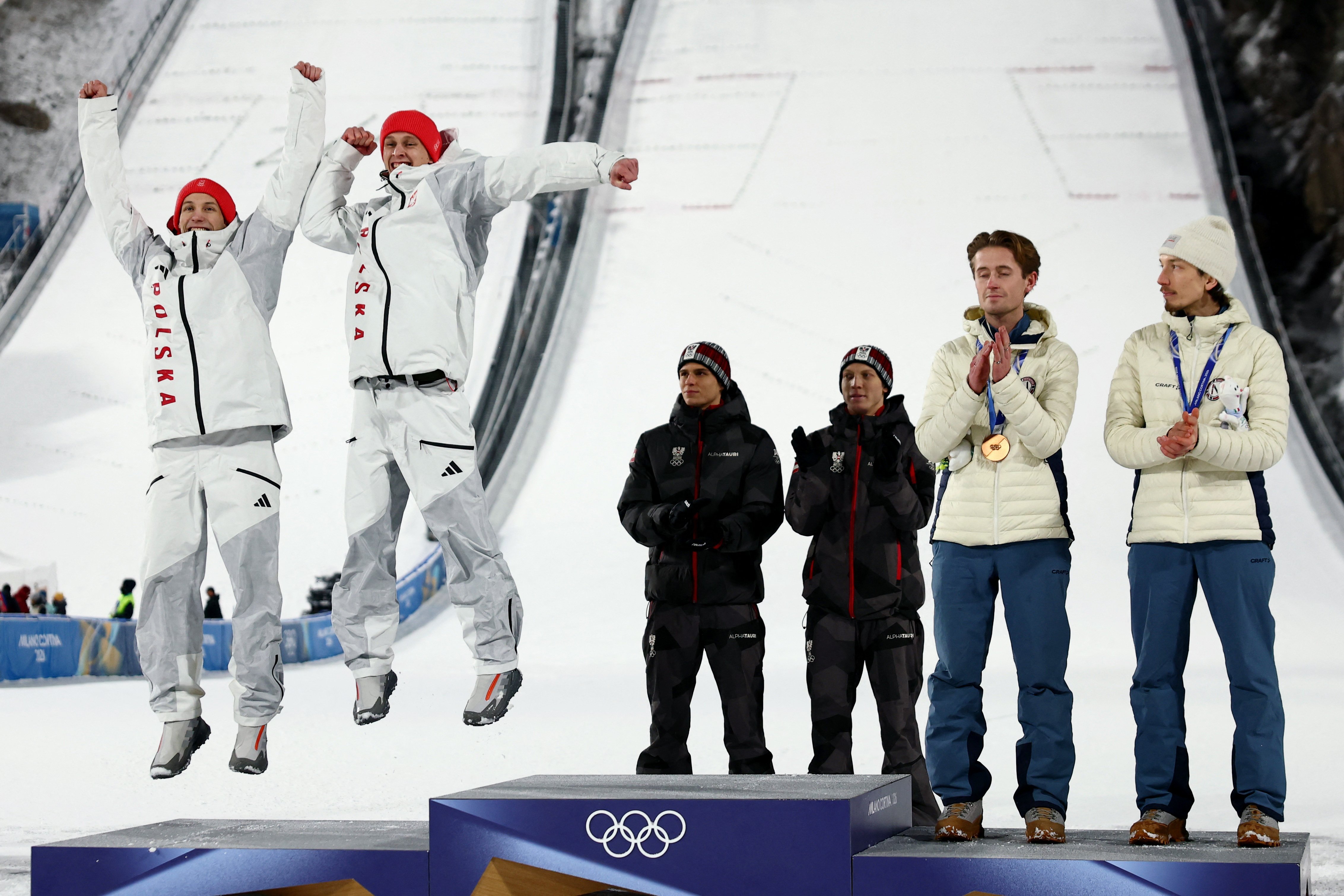
Did you see any of the Winter Olympics?
There were acts of beauty, strength and gracefulness. Our immediate reaction to witnessing such feats was amazement — and that’s appropriate! But I suspect many of us, in some quiet place in our hearts, also found ourselves uttering a quiet “thank you.” It was spoken at once to the athletes and to God — to God for giving such amazing gifts to human beings and to the athletes for working so diligently with those gifts.
So, first, can we just pause for a moment and linger on that “thank you”?
Second, it was astonishing to see how many athletes cheered for each other. Sure, each one was trying to win, and they were ecstatic when they did win. But many seemed genuinely delighted when they were outperformed — and held the winner as more of a friend than an enemy. There was less bitterness than there was appreciation.
I wonder if we might pause there, too. There’s a lesson in that for all of us.
One repeated feature of interviews with the winners was how often they were asked some version of the question: “Can you describe how you’re feeling right now?” The prominence of this question was a reflection of the belief, in contemporary American culture, that the momentary feeling is the most important thing.
From a Catholic perspective, that notion is both curious and mistaken. Feelings, quite simply, come and go. We were made for more.
It was gratifying to note how many athletes made that question a pivot point: Unable to describe their feelings, they turned and, instead, noted their gratitude to everyone who helped them come to that moment. It was as if they were saying: The relationships are more important than the feelings.
I wonder, then, if we might pause and ponder: What would be a better question to ask — of ourselves and others — during those supreme moments?
Spheres of influence
So, what do these Olympic reflections mean for us? One of the most important things, I think, comes down to “spheres of influence.”
When we look at the world today, we see many tragedies. Almost all of them seem beyond our reach. It’s not clear how we can help.
But the question is: What’s within my sphere of influence? How can I make changes there — changes that, if multiplied a thousand times over, have the power to create a different world?
Whatever that is, I think that’s where we should spend our energy.
The Olympic athletes weren’t reshaping political or military actions. Those were beyond their sphere of influence. But within their sphere of influence, they were giving the world a glimpse that something else is possible in human relations. I wonder if we might be inspired by them to do the same. We can’t imitate their athletic feats! But we can certainly reshape human interactions within our own sphere of influence.
Commenting on the Olympic motto, the president of the International Olympic Committee said: “We can only go faster, we can only aim higher, we can only become stronger by standing together — in solidarity.” I think the same is true of fashioning a world that is deeper, more patient and more peaceful.