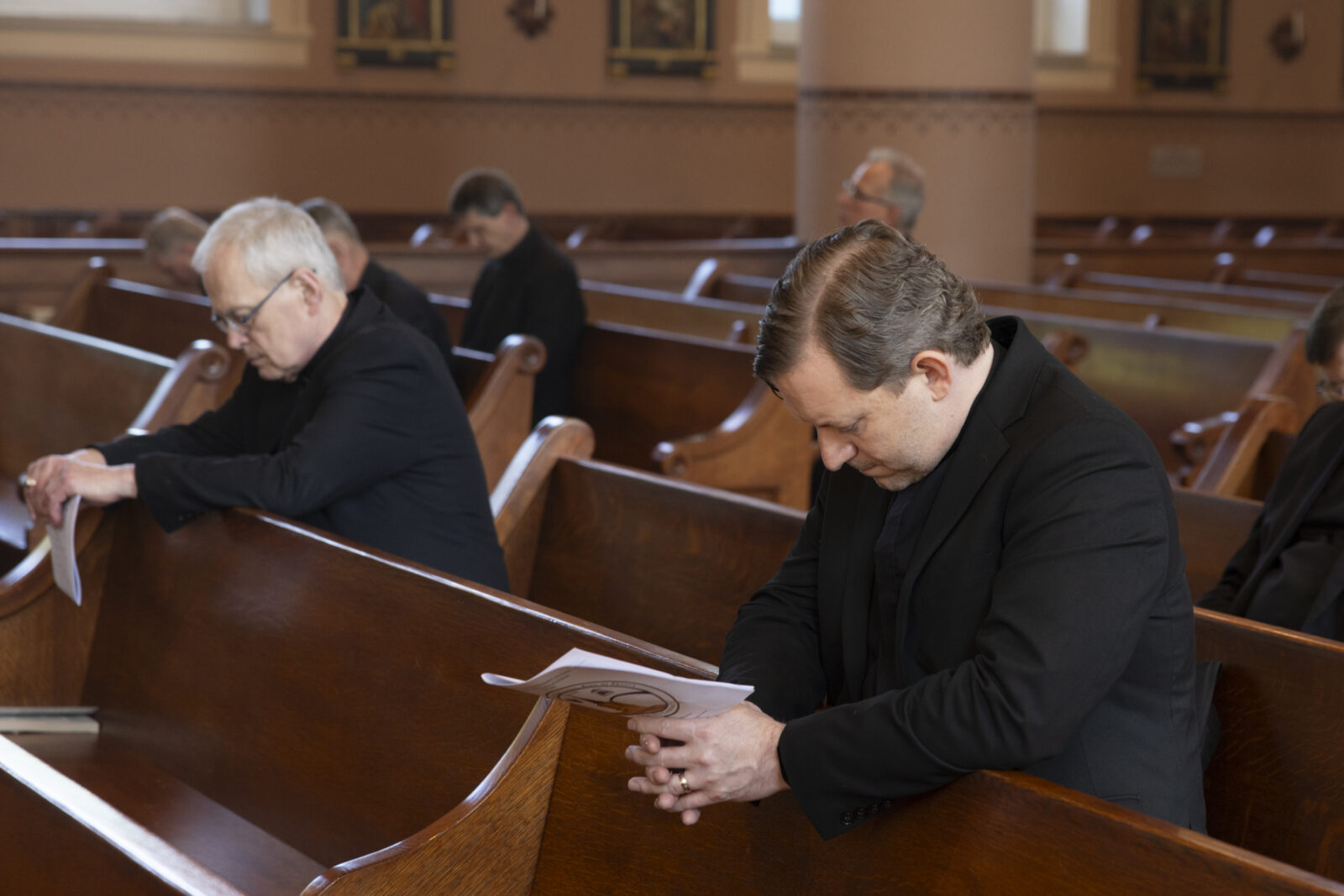
Archbishop Rozanski serves as co-chair of national dialogue group that met in St. Louis in May
More than 40 years after the Roman Catholic Church-Polish National Catholic Church Dialogue began its quest for unity between the two churches, members of the group say they find hope in the progress they’ve made over the years and in a deeper relationship among its members.
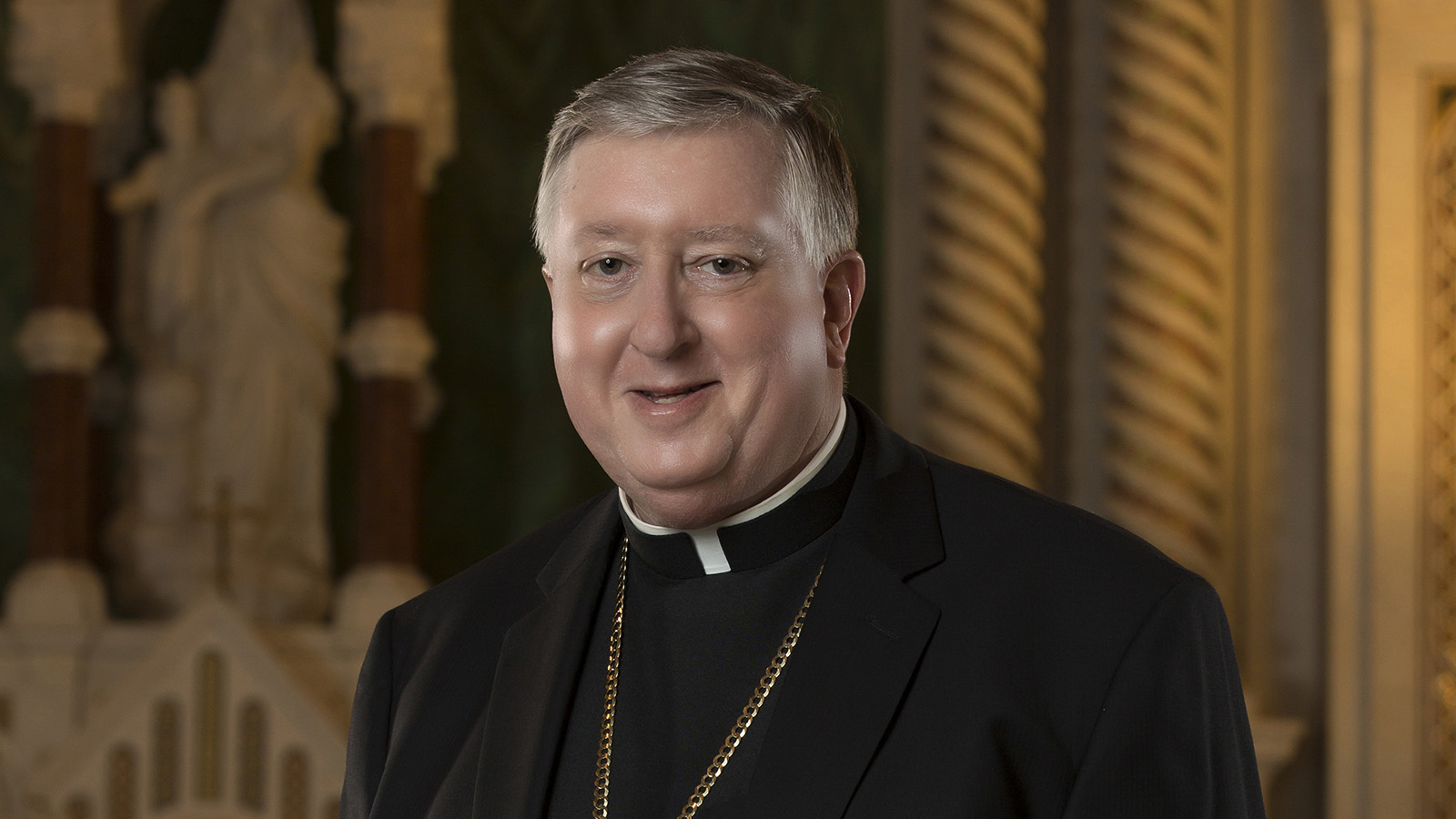
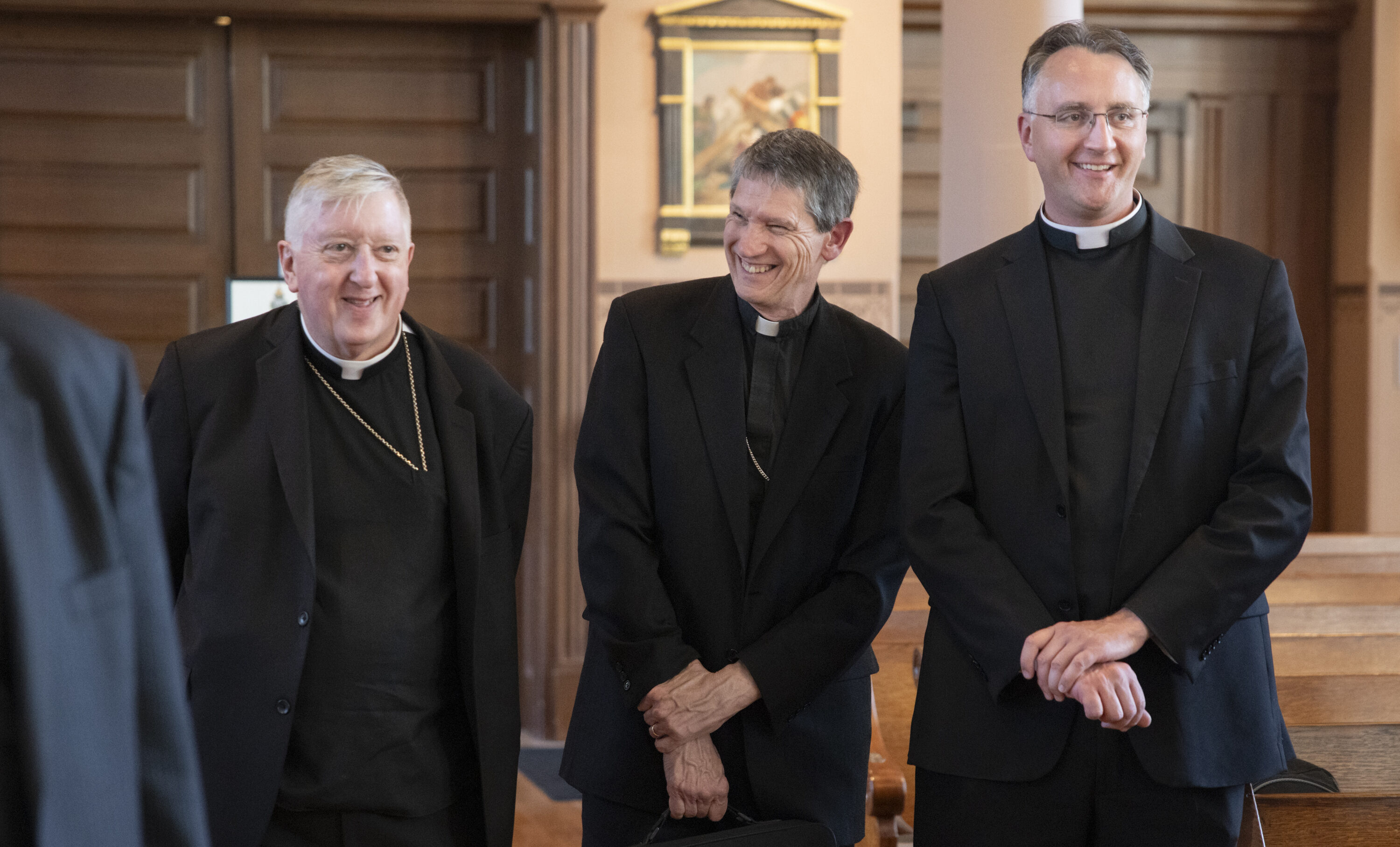
Archbishop Mitchell T. Rozanski, who is of Polish descent and was raised in the Polish parishes of Baltimore, has been a member of the dialogue since the 2000s, when he was an auxiliary bishop in Baltimore. He currently serves as the dialogue’s co-chair alongside Bishop John E. Mack, head of the PNCC’s Buffalo-Pittsburgh Diocese.
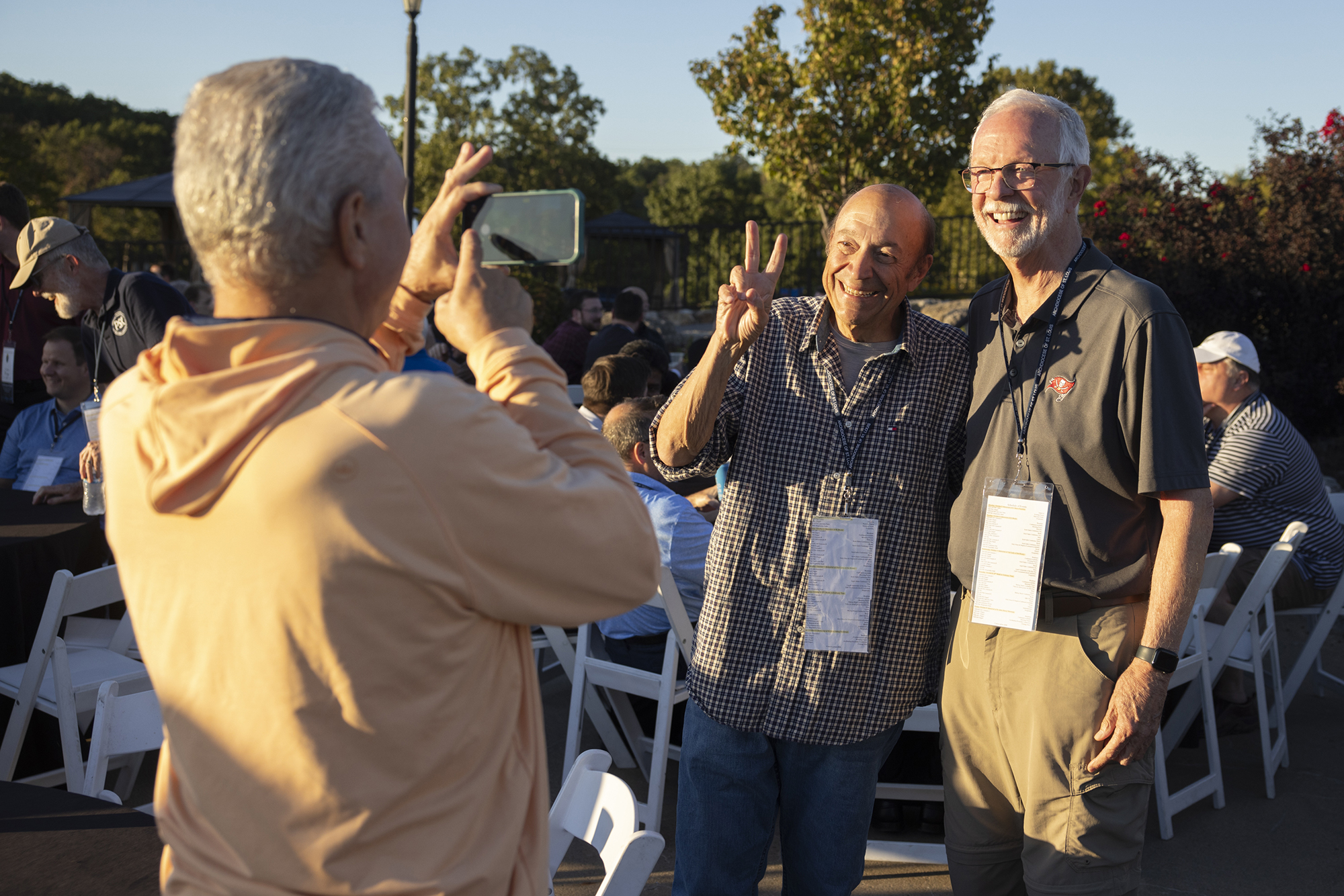
“What keeps this going is that we’re trying to fulfill God’s commandment, where He said that may they be one as you are in me, and I in you, and that they also may be one in us,” dialogue member Bishop Paul Sobiechowski, head of the Eastern Diocese of the PNCC, said at the group’s annual meeting held in St. Louis May 12-13. “And the personal relationships that we’ve formed over the years, that relationship continues and grows deeper.”
“I think it shows us how far we have come in these 40 years, and it gives us the hope of moving forward, even to be closer,” Archbishop Rozanski said.
The dialogue grew out of a split among Polish Catholic immigrants in the United States in the late 19th century, which led to the formation of the Polish National Catholic Church. The split was primarily driven by grievances over governance, the absence of Polish-born bishops in the American hierarchy and dissatisfaction over the appointment of non-Polish priests to Polish parishes.
By the 1960s, there were calls for dialogue between the two groups, but it didn’t become a formal reality until the 1980s, when St. John Paul II renewed the call. That led to the first official meeting of members of the two churches in Passaic, New Jersey, in 1984.
Today, the PNCC has around 30,000 members in five dioceses in the United States and Canada, with 119 congregations in the U.S., most of which are centered in the northeastern United States. In St. Louis, there is one PNCC church, Sacred Heart of Jesus Church, located in Ellisville.
A pivotal moment for the two churches was a 1992 healing service at St. Stanislaus Polish National Catholic Cathedral in Scranton, Pennsylvania, where leaders of both churches asked for forgiveness and pledged to work toward overcoming their divisions. In 1989, the dialogue produced its first major report, affirming agreement on the seven sacraments. In 1993, another significant step occurred when Cardinal Edward Cassidy confirmed that PNCC members in the U.S. and Canada may receive the sacraments of reconciliation, Eucharist and anointing of the sick from Roman Catholic priests under certain conditions.
This year marks the 20th anniversary of the dialogue’s landmark Joint Declaration on Unity, which spelled out the nature of the relationship between the two bodies and the hope of establishing full communion between them.
Last year, the dialogue issued a Statement on Unity and Eucharist in commemoration of its 40th anniversary, highlighting substantial agreements on the Eucharist, healing gestures that have brought the two churches closer together and a commitment to progressing toward full communion.
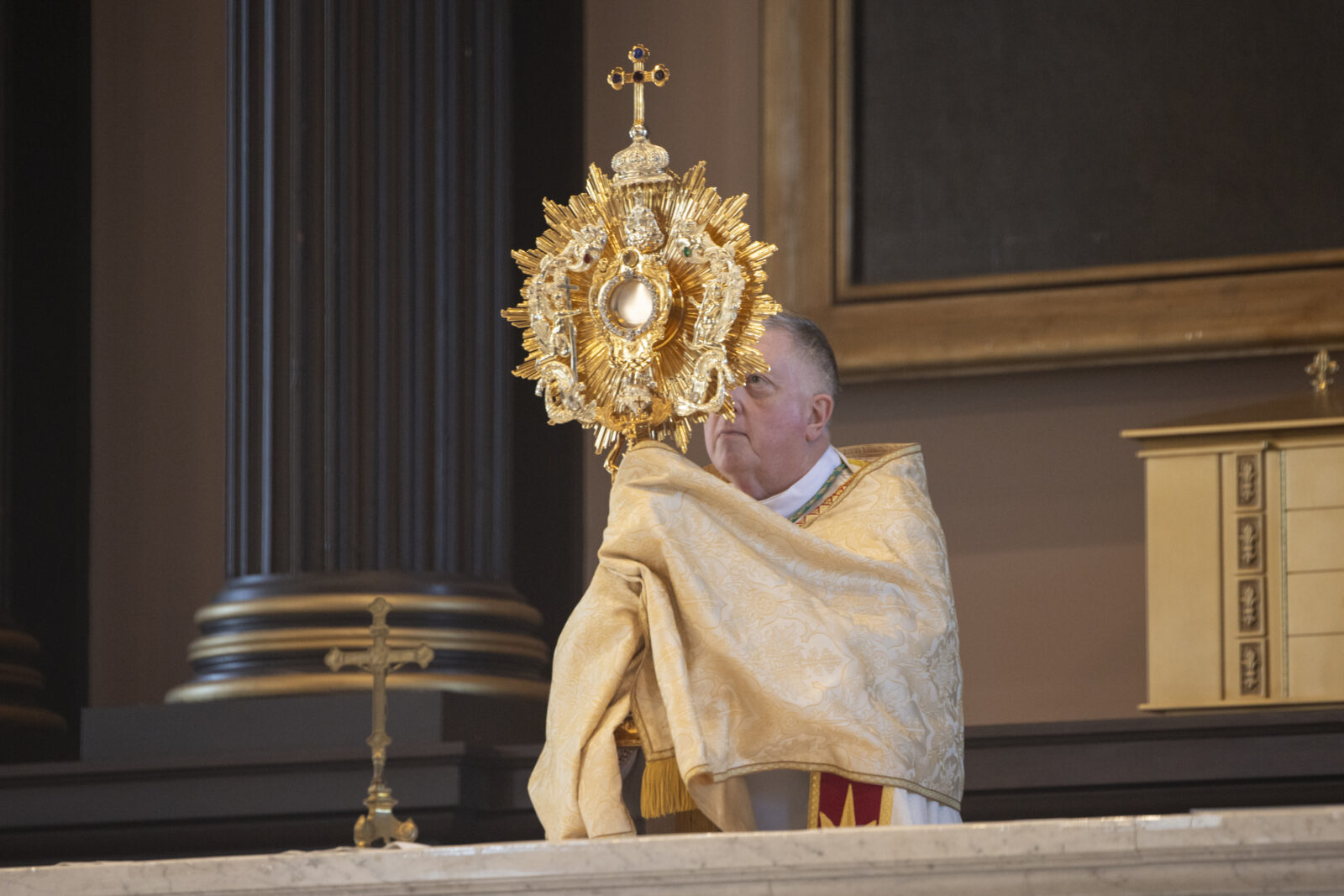
Father Michael Pierz, a member of the dialogue and priest of the Roman Catholic Diocese of Springfield, Massachusetts, noted the tremendous gift that has come from the group’s focused conversations on the Eucharist in recent years. The statement affirmed both churches’ belief in the Real Presence in the Eucharist, the Eucharist as the memorial of Christ’s sacrifice, the effects of the Eucharist reflected in Jesus’ teaching in Scripture and the validity of the sacraments offered in each respective Church.
“We see the Eucharist is a sign of unity, that we can be in communion with God, and we can be in communion with one another and to strive for it all the more perfectly,” Father Pierz said. “We’re bearing that fruit that comes from Eucharist and seeing that as a lifeblood, even among our own dialogue.”
“I look upon this as a process, in that we’re addressing an event that happened over 100 years ago that was not based in any doctrinal arguments, but really in pastoral governance,” Archbishop Rozanski said. The dialogue’s latest statement on the Eucharist is another step toward unity between the two churches, he said.
“I see that that is part of the process of bringing us closer together,” he said. “For us, Communion is receiving the body of Christ, and that is the source of unity. That we can agree on that sacrament really shows how close together we’ve come.”