At the end of the liturgical year, let’s allow Jesus to be the pattern and model for our lives

The feast of Christ the King always comes at the end of the liturgical year, but this year it comes in the midst of the development of No Kings protests and the quandary of deciding what kind of leader is a great leader. One of our problems might be that we look to our human leaders and expect them to be Jesus instead of being like Jesus.
This might be a good time for us to reflect on the kind of ruler and leader Jesus was and is, and use that as a criterion for measuring others and ourselves as good and holy leaders.
The Gospel given to us on the feast of Christ the King shows our king, Jesus, on a cross, surrounded by criminals. In many ways, He is presented with common temptations that leaders face. Jesus is given the opportunity to flex His muscle, so to speak. He is ridiculed for not doing for Himself what He has done for others.
In some people’s minds, leaders deserve to be treated in a way that gives them the best all the time. Even though Jesus consistently shows Himself to be the suffering leader, we often don’t see our leaders choose voluntary emptying and self-sacrifice for the sake of others. When we strive to be leaders within our families and communities, do we surround ourselves with the best and even cushion ourselves with power and prestige, or do we empty ourselves for the sake of others?
Another image of leadership that Jesus offers is His treatment of those at the Last Supper. He takes off His outer robes, puts on an apron and washes the feet of all who were there, including those who would betray and abandon Him. As leaders, do we treat those we are teaching the same way that Jesus treated His disciples? Do we take care of others, especially in times of great difficulty?
Consider the image of the Good Shepherd. Imagine a flock of 100 sheep, and one of those sheep wanders away. The shepherd leaves the 99 in the safe green pastures and goes and finds the one who is lost. That extra effort of finding the lost one is not then laid as a burden on the back of those who are lost, but it is freely given for the sake of finding them. Is that how leaders should treat those who have wandered away? Is that the way we would like to be treated in times that we have wandered away?
A good leader teaches by example and often allows people to gain wisdom by observing their life. Ridiculing, belittling, overpowering, abandoning and hovering often stem from a leader’s insecurities rather than a response to the needs of those being led.
This feast, given to us each year at the end of the Church year, is our opportunity to reflect on the past and look forward as we live in the present moment. Have we acknowledged and accepted the role of leader that we have in our own lives? Have we embraced the opportunities that God has given to us to be a mentor or a leader for others? Do we do that in the pattern of Jesus, or have we allowed cynicism and insecurity to form our behaviors? Let us allow Jesus to be the pattern and model for our lives, not something or someone else.
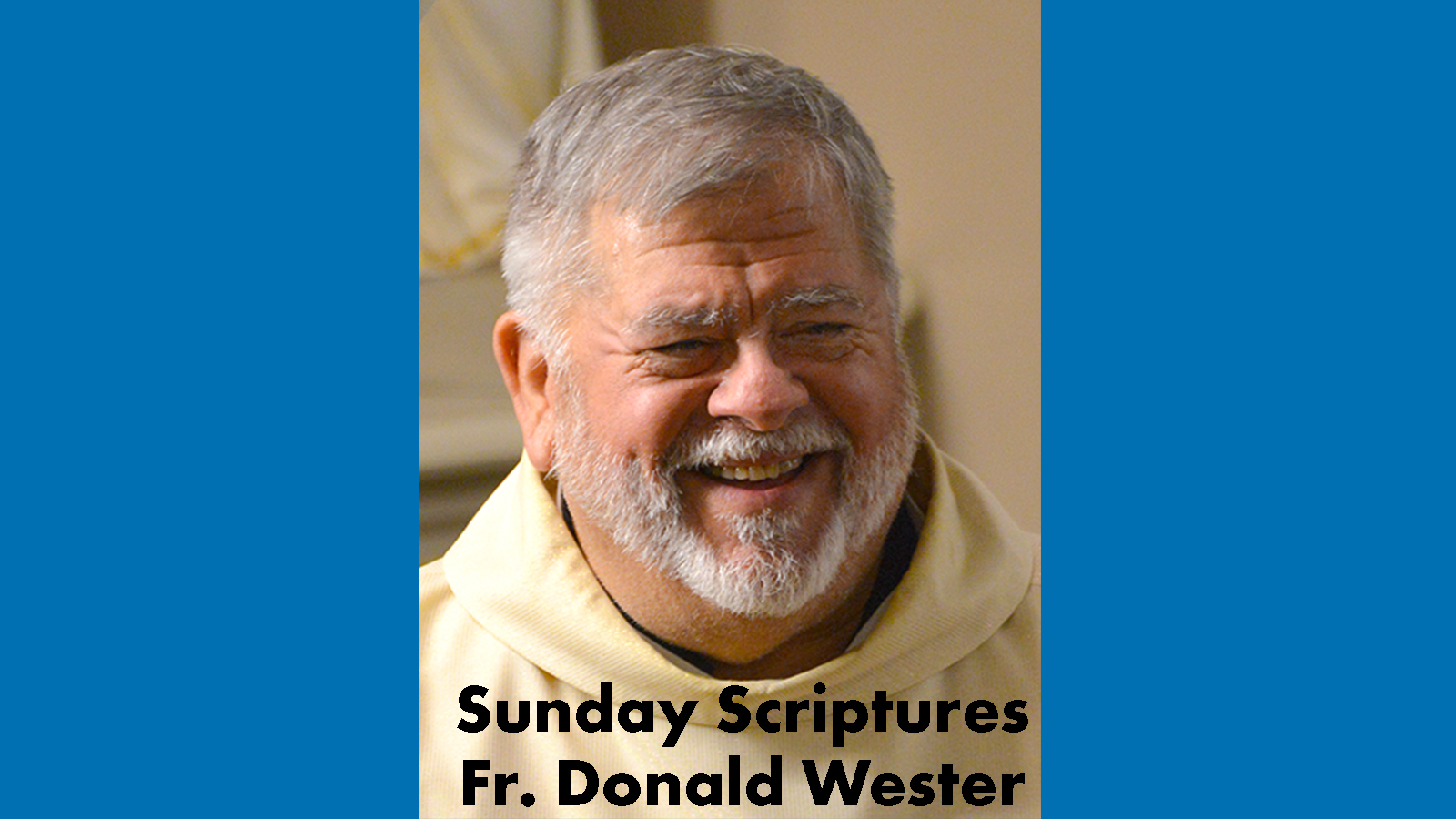
Father Donald Wester is retired and serves as lecturer of homiletics at Kenrick-Glennon Seminary.