What happens to closed church buildings? How are they sold or who determines what happens to them?
There are two important points to make.
First, this question is answered directly by The Code of Canon Law (the law of the Church).
Secondly, I am not a canon lawyer. Thankfully, though, the law of the Church is somewhat straightforward. You’ll find the answer to this question in Canon 1222, § 2:
“Where other grave causes suggest that a church no longer be used for divine worship, the diocesan bishop, after having heard the presbyteral council, can relegate it to profane but not sordid use …”
This paragraph answers most of the questions. How is the church building sold? Well, for a grave reason (like when a parish can no longer afford the upkeep of the church), the bishop can sell the church building. First, the bishop must consult his presbyteral council. Then, the church building may be sold for profane but not sordid use. This is perhaps the most interesting part of the canon. A lot of ink has been spilled on the distinction between “profane” (common or secular) and “sordid” (scandalous).
Additionally, the sacred objects within the church building are typically removed in accordance with Canon 1171: “Sacred objects, which are designated for divine worship by dedication or blessing, are to be treated reverently and are not to be employed for profane or inappropriate use…” So altars, tabernacles, thuribles, candlesticks, etc. ought to be removed from the church building, too.
It’s desirable that church buildings relegated for “profane” use be used for noble, non-scandalous causes such as charity work. After the ownership of a given church building is surrendered, it can be sold and repurposed again. The Church does not always have perfect control over how these buildings are used, as evidenced by unfortunate situations in which church buildings have been repurposed as restaurants, nightclubs or skate parks. The most desirable (but often the least feasible) option might be to deconstruct the building altogether before surrendering the property to a profane use.
To speak a bit more in my own competency, this tension speaks to the importance of our church buildings, doesn’t it? If you have ever been to a consecration of a new church building or altar, you know how important these buildings are simply by noticing the length and the complexity of those liturgies. It’s sad to see a church building closed and sold. We often pray for more holy vocations to the priesthood and the religious life, and I think we often forget to pray for an increase in the number of holy laypeople, too. These buildings, after all, are meant to be the privileged meeting places between God and His people.
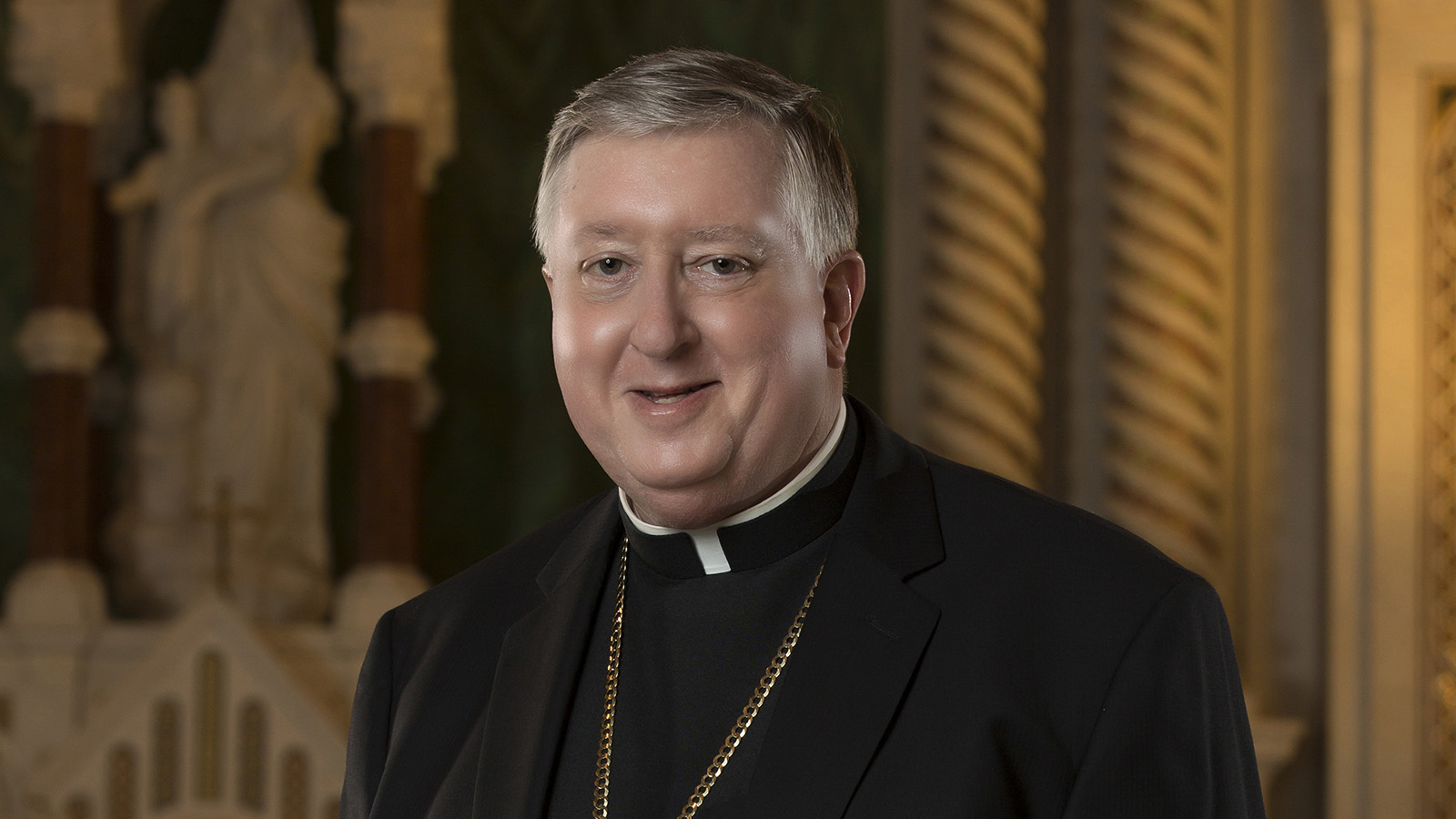
Father Conor Sullivan works for the Archdiocese of St. Louis, the Vocations Office and Kenrick-Glennon Seminary as a provisionally licensed psychologist.