The fact that God dwells in each of us should lead to treating everyone with dignity and respect
Even though the feast of the Dedication of the Lateran Basilica commemorates the dedication of a church in Rome in 324 A.D., we would be remiss if we did not move to a deeper level and understand that this building is an image of what we are. We are God’s temple — and that realization should cause us to choose certain ways of living and treating other people.
God dwells in all of His people and in all of creation. Therefore, we acknowledge the dignity of every human being. In the same way that sacred places are kept clean and available, we should do the same for ourselves as the temple of God.
We know that God has loved us first and chosen us to be His temple. That didn’t happen because of our initiative, but because of God’s choice in loving us. Our sacredness is not forfeited by any of our choices, but is eternally true because of God’s choice to love us. Sometimes we struggle with believing that we are lovable and that God does love us. Some of us get sidetracked because we struggle with perfectionism. We have somehow come to believe that God can’t love us unless all of our feelings and sins are rectified. That is a touch of arrogance and assumes much more power than we really have. We do not have the power to change the fact that God loves us.
Our choice comes when we decide how to respond to God’s love. This might be a good time to look at our self-care. If we are His temple, we should care for ourselves in order to be a suitable dwelling place for God. Physically, mentally, emotionally and spiritually are areas that need care so that we can be the temple that we are meant to be. Frequently, our interior life doesn’t match our exterior. Let’s strive to make sure that there is congruence between what we appear to be and what we truly are.
Because God dwells in other people as well, we are called to treat them with the same dignity and respect. It’s easy to love and receive love from people who agree with us. But when Jesus was on the earth, He didn’t divide the human race between those whom He could or couldn’t love. He commanded us to love our enemies and to do good to those who hate us.
The consistent teaching of the Catholic Church throughout the ages has been one of respect for all humans and all of God’s creation. Throughout history, we have done really well at some periods and really poorly at others. Consistently, though, we have found ways to hate people who are different than we are. That is an affront to the grace of God, given to us that we should pass on to others. It seems odd to me that none of us appreciate being hated or made fun of, gossiped about or rejected. But do we notice how easily we slide into some of those habits and behaviors? It usually has to do with some insecurity or fear. Instead of working to find a way to become deeply connected to others, we use the easier path of rejection and ridicule. Even though we would never want that to happen to us or anybody we love, we do it to others, sometimes without even thinking.
Instead of this weekend simply being about the celebration of a building in Rome that has some historical significance, might this be another occasion for us to experience interior and exterior conversion? Might our minds become more conscious of the attitudes that often form our behaviors? Might we begin by giving other people the benefit of the doubt rather than judging them so quickly? What would it take for our first step toward another to be the step of love rather than a step of suspicion? If we wish the world to be in better shape than it is right now, this might be a place to start.
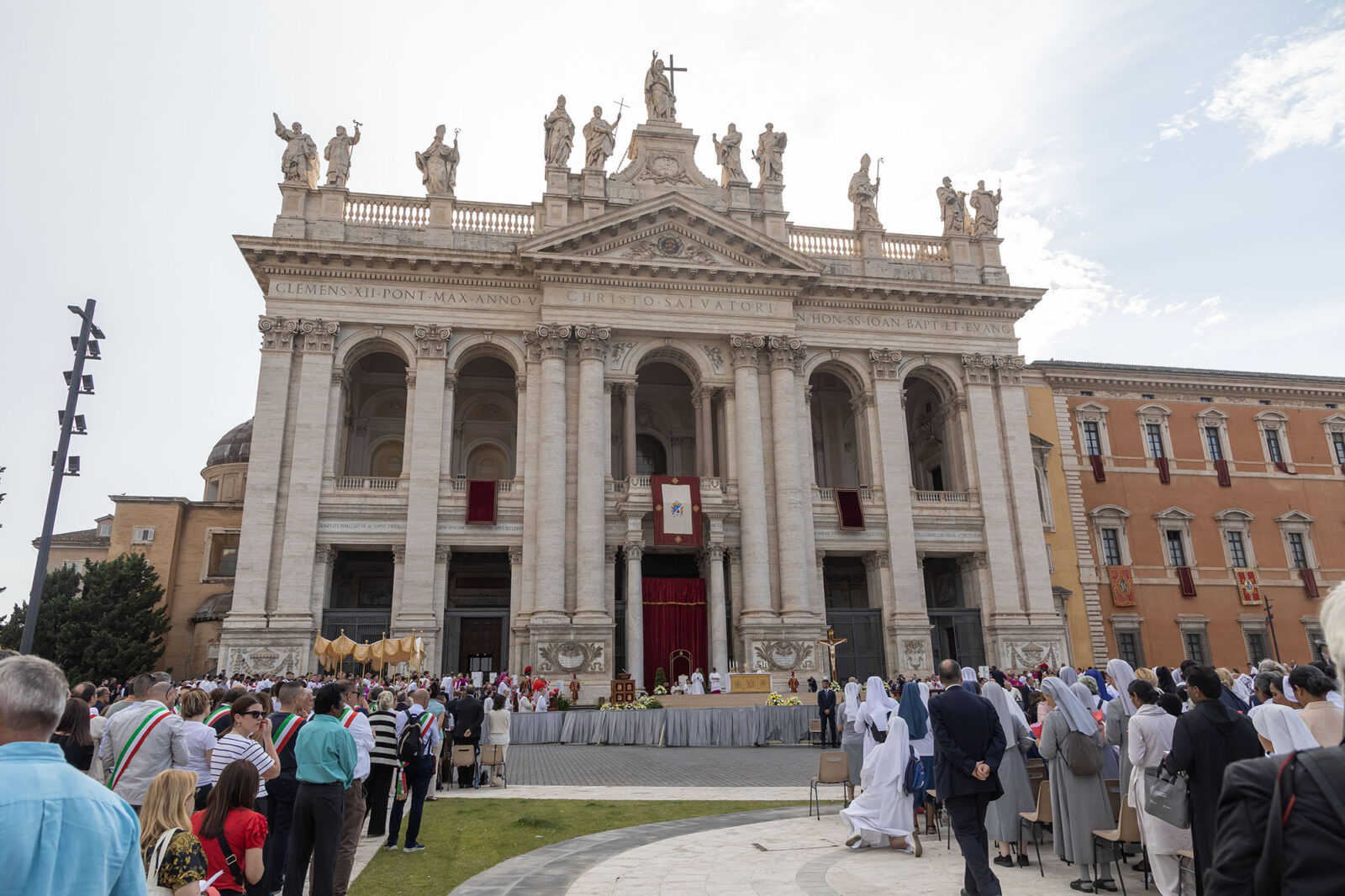
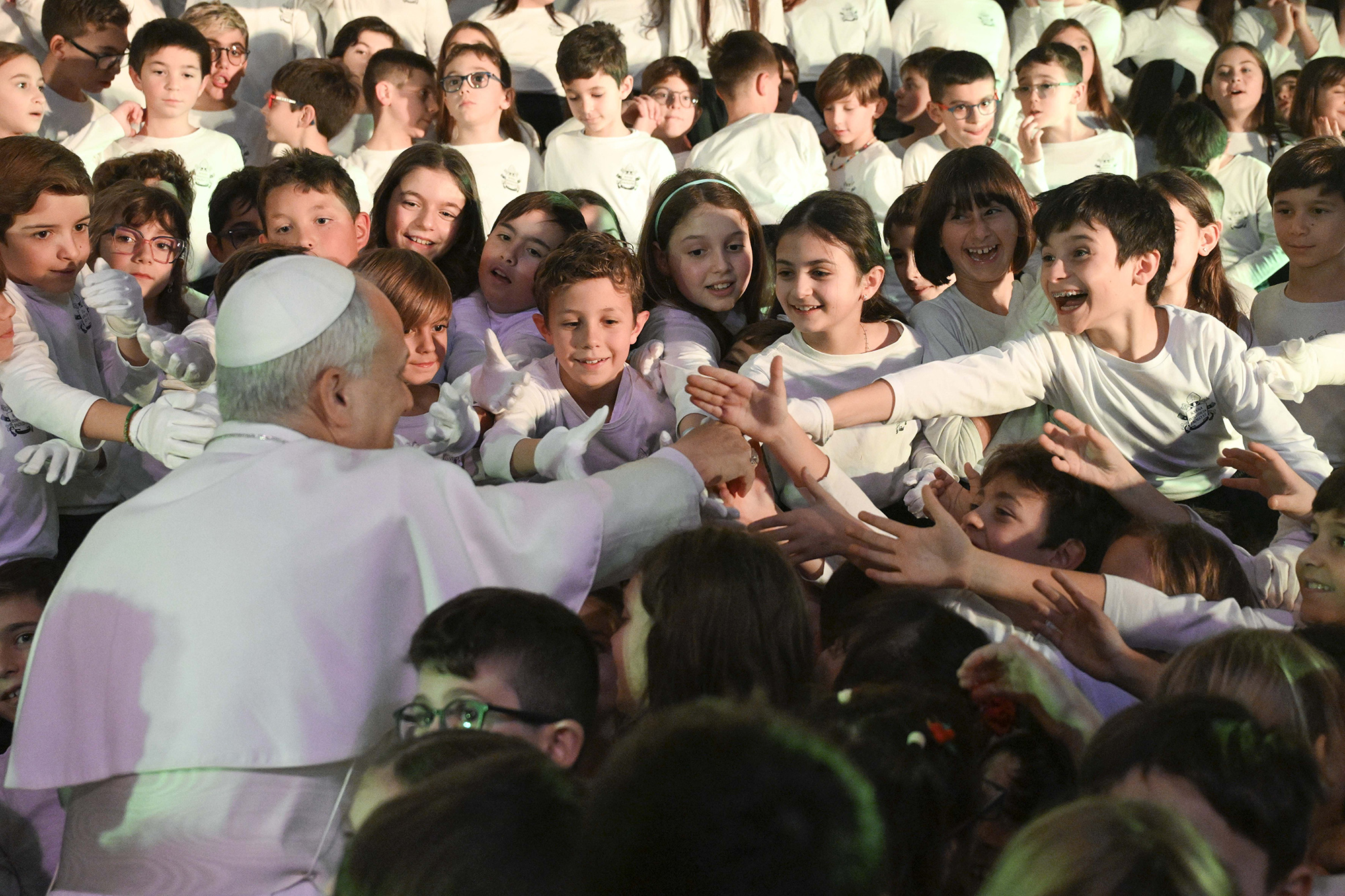
Thousands of people joined Pope Leo XIV for Mass on the feast of the Body and Blood of Christ outside Rome’s Basilica of St. John Lateran June 22. The feast of the Dedication of the Lateran Basilica, on Nov. 9, celebrates the dedication of the original church in 324 A.D.