SLU researchers among those who assisted in 19-year legal battle
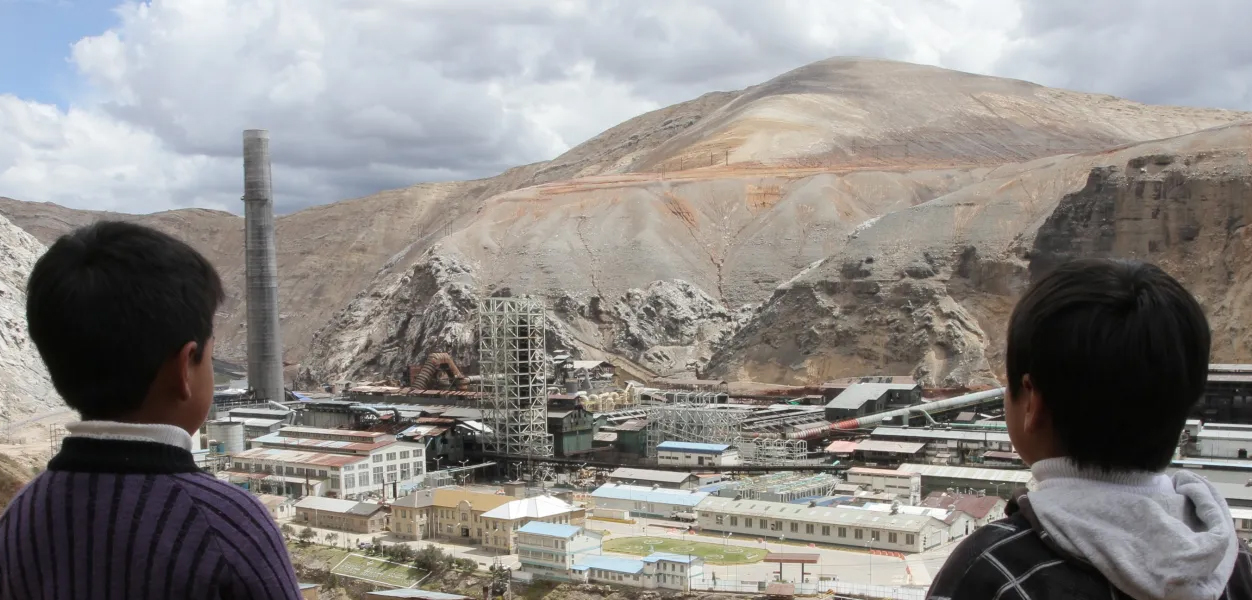
For decades, children in La Oroya, Peru, played among lead, arsenic and cadmium — toxic substances from a metal smelting complex that towered over their small town along the eastern slopes of the Andes Mountains. Many grew up with blood lead levels among the highest ever recorded.
Last month, a $150 million settlement with Maryland Heights-based Doe Run Resources was announced on behalf of 1,373 Peruvian plaintiffs who alleged they suffered severe lead poisoning as children from the smelter. A trial in the 19-year-old case was expected to begin in federal court in St. Louis when the settlement was announced on June 23.
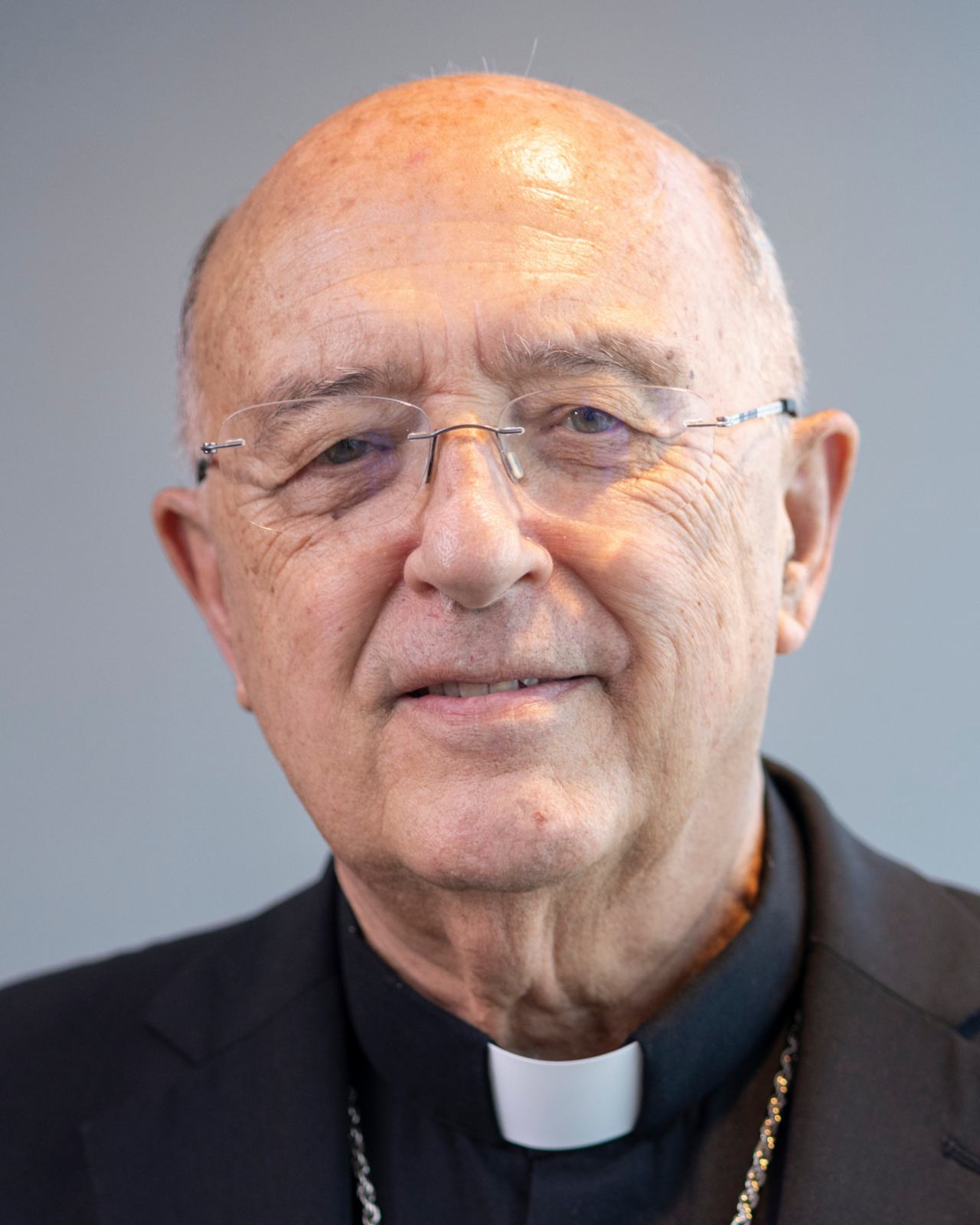
Human dignity, a preferential option for the poor and care for creation — all tenets of Catholic social teaching — are among the reasons why the Church became involved in the legal case, Cardinal Pedro Ricardo Barreto said during a recent visit to St. Louis.
The 82-year-old Jesuit, who served from 2004-24 as Archbishop of Huancayo, where the La Oroya smelter is located, was expected to testify in court in St. Louis last month. After the settlement was announced, he continued his travel plans to express his gratitude to the Church in St. Louis for its help with the case.
The Church had to be involved once it became clear how the Doe Run smelter was affecting La Oroya’s children, the cardinal said, speaking through an interpreter. Citing the words of previous popes, including Pope Francis and St. John Paul II, he said the Church’s mission is “the care of life and the care of the common home.” But those words must turn into action, and La Oroya is where that happened, he said.
“For me, faith is action,” Cardinal Barreto said. “When it becomes action, there is hope.”
In 2004, not long after Cardinal Barreto came to the Archdiocese of Huancayo, he connected with researchers at Saint Louis University’s School of Public Health. A team led by Fernando Serrano traveled to Peru to determine the levels of lead, arsenic, cadmium and other metals in La Oroya residents. They gained blood samples from residents — which was met with opposition from some who described researchers as “vampires” — and also tested the air, water and soil.
The SLU team found that 97% of children between 6 months and 6 years of age and 98% of children between 7 and 12 years had elevated blood lead levels, in some cases three or four times the level of concern.
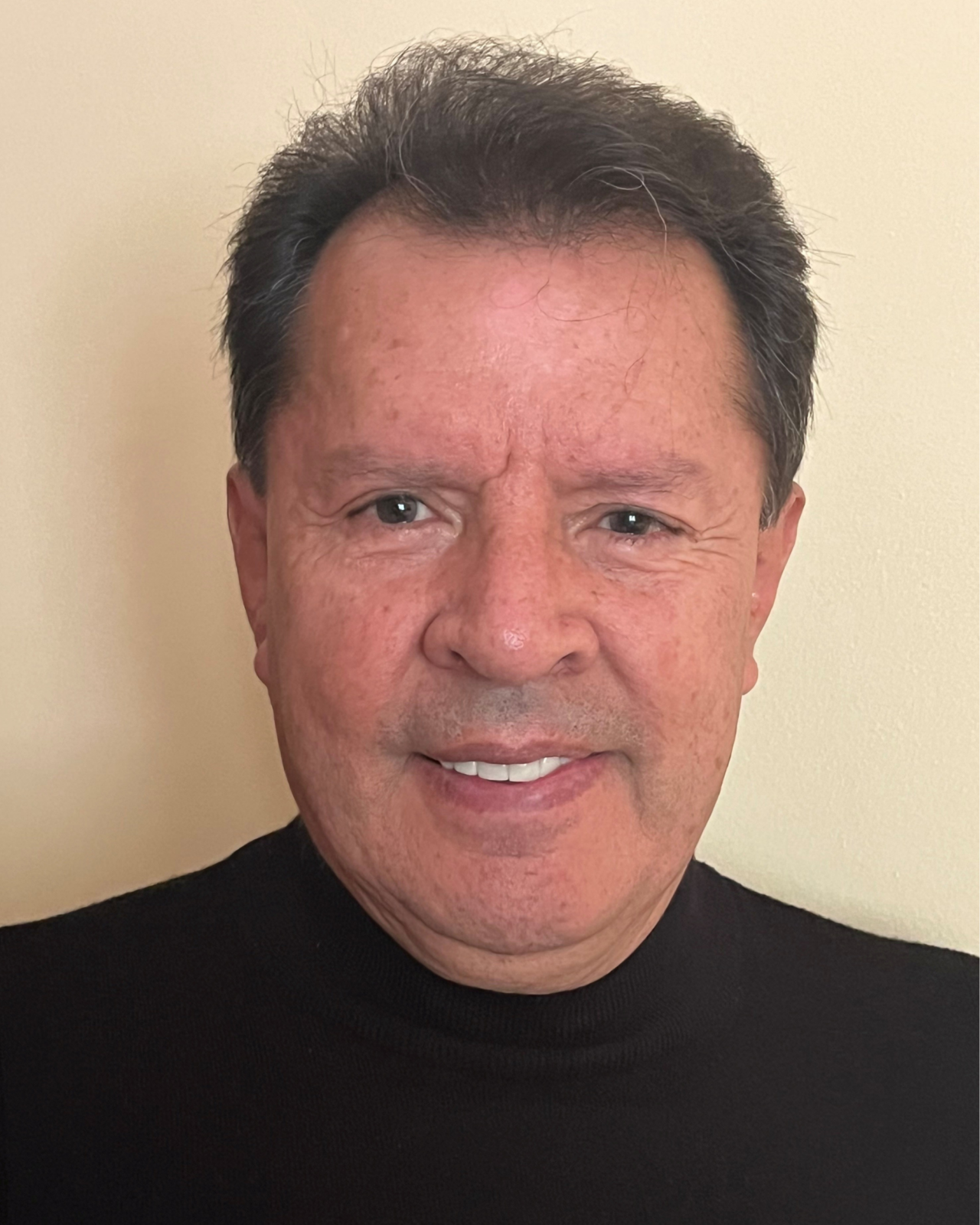
“The study was done not for academic purposes only, but to change, to improve, to make things better, to bring about justice, and that is still so central to me and to all of us,” Serrano said.
Serrano, who has returned to Peru dozens of times since the initial research more than 20 years ago, said the settlement represents a step toward full justice, but there is still work to be done. Doe Run Peru declared bankruptcy because of extended financial problems in 2009 and closed the smelter, but the plant has since been partially reactivated under new ownership by former workers, and emissions have returned. The smelter is operating without adequate environmental controls or government oversight, so the community remains exposed, he said.
“I was talking to one of the families just across from the smelter, and (the father said), ‘My daughter just had a baby. We have to be so attentive. We’re always looking at the main stack and the emissions because when there is a discharge, we have to take the baby inside.’”
Serrano visited La Oroya about a month ago, and described the visit as bittersweet. “There are still people there who remember me and us and the university and say you came 20 years ago and you really began to show us what was happening with evidence,” he said. “But the bitter part is that they still have nothing. Nothing has changed for so many. They still don’t have health care. They still don’t have the support they need.”
“We’re not asking for the company to close because they provide jobs,” he said. “We’re asking the company to do it responsibly — to do it in a way that does not poison people and the environment; we have the technology for that.”
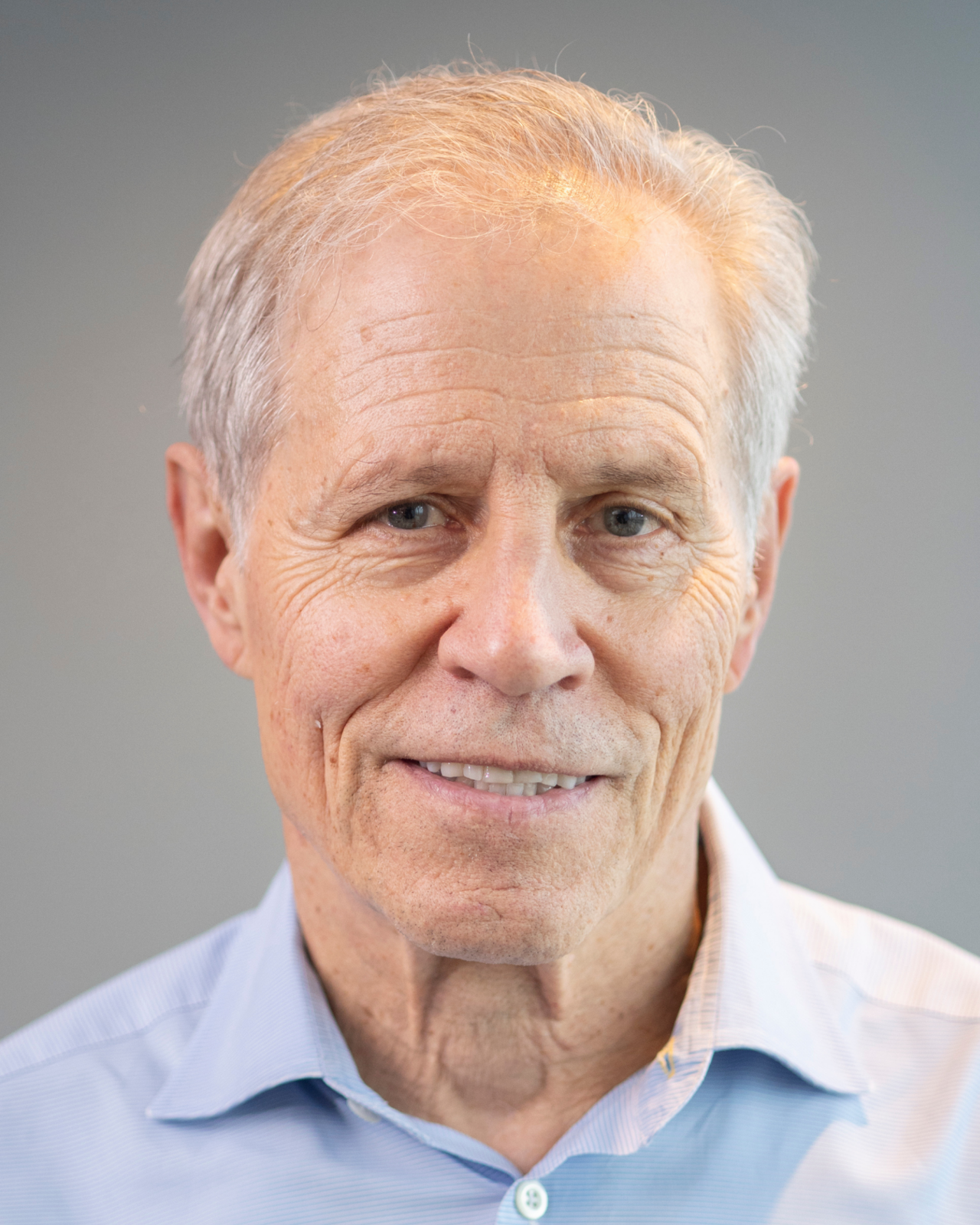
Jerry Schlichter, the St. Louis attorney whose firm took on the case in 2007, said he made a commitment to the case knowing it would mean staggering risk and expense in what became a long legal battle.
“It’s been an all-out battle for 19 years,” Schlichter said. “You have to have conviction and passion for the case and for the clients. If you don’t have that passion, you don’t persevere” against the obstacles.
Schlichter credited his eight years of Catholic schooling — and the values it instilled around helping the poor, immigrants and refugees — with shaping his commitment to the case. It’s been a full-circle moment, reconnecting with the values he learned from the Ursuline sisters as a student at a Catholic school and seeing how those same values motivated Cardinal Barreto, other religious leaders and Saint Louis University to get involved.
“They are the heroes,” Schlichter said of the religious leaders. “They provide inspiration to me to not only take this on but to continue this battle without fail.”