‘Heirs to this missionary legacy’ The Archdiocese of St. Louis celebrates 200 years of bearing witness to the light of Christ
It’s been 200 years — and two Popes Leo — since the Diocese of St. Louis was established.
The Bicentennial Jubilee Year for the Archdiocese of St. Louis opened on Jan. 1 with parishes ringing their church bells at 10 a.m., and continues through Dec. 31. Masses were celebrated in each of the six deaneries earlier this year, and parishes and schools were invited to mark the anniversary within their communities.
In 1826, Pope Leo XII established the Diocese of St. Louis and entrusted Bishop Joseph Rosati with a vast mission territory that extended from the Louisiana border to the Rocky Mountains.
Our current archdiocesan footprint is geographically smaller, but the call to mission remains the same.
“We are heirs to this missionary legacy,” Archbishop Mitchell T. Rozanski said in his announcement of the Bicentennial Jubilee Year. “Our parishes, schools, charitable ministries, religious communities and lay leaders all bear witness to the enduring light of Christ passed down through generations. Now, in our own time, we are called to carry that light forward with courage, joy and faith.”
An archdiocesan-wide Mass for the bicentennial will be celebrated on July 18 at the Cathedral Basilica of Saint Louis.
Our mission territory
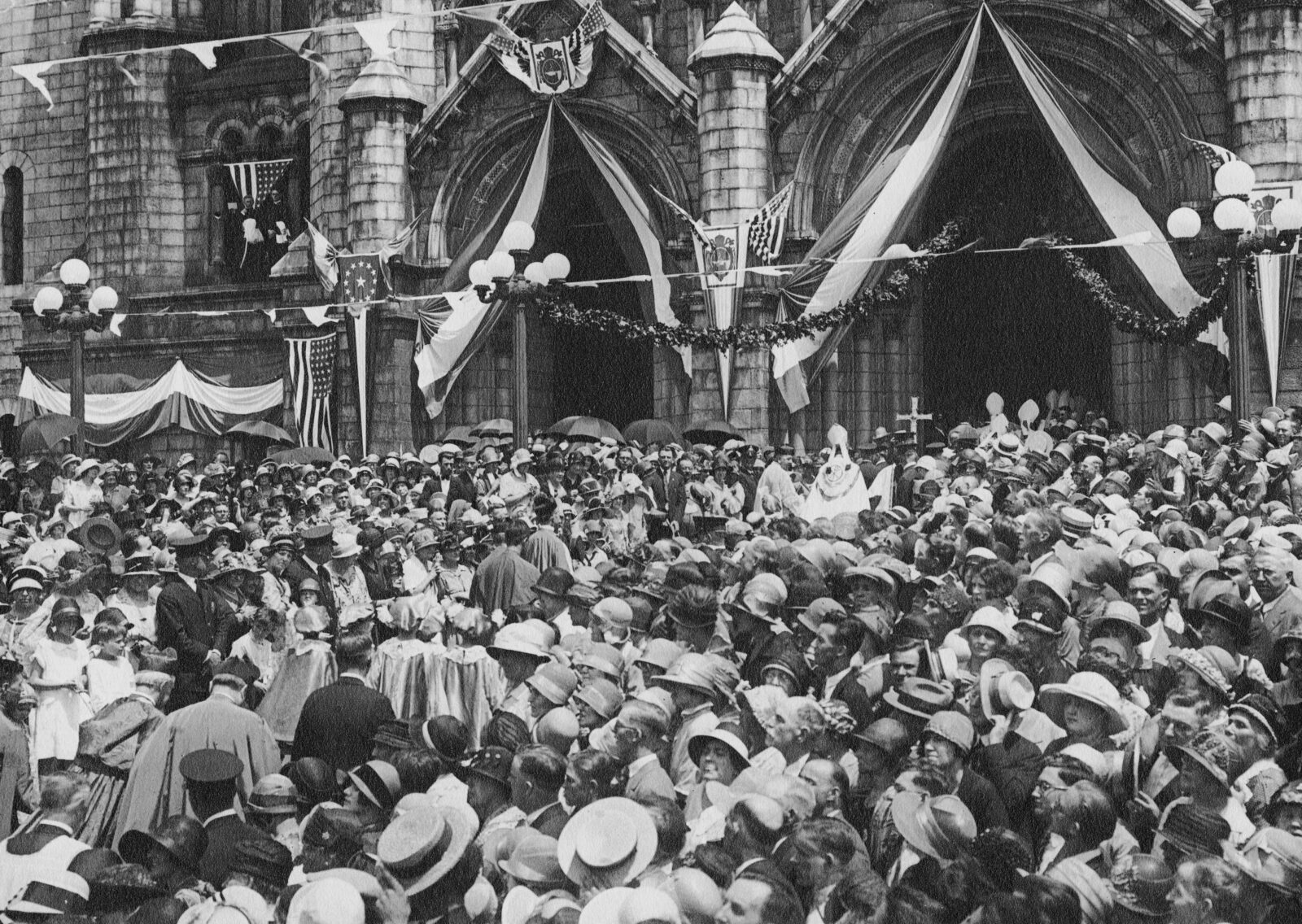
The dedication of the Cathedral of Saint Louis (New Cathedral).
The region’s Catholic roots reach back more than 350 years to the earliest missionary encounters in the Mississippi Valley, with the first Mass offered in the settlement of St. Louis in 1764 on the site where the Basilica of St. Louis, King of France (Old Cathedral) stands. By 1818, St. Louis was established as the episcopal seat of a growing frontier Church.
In 1826, Pope Leo XII split the territory of the Diocese of Louisiana and the Floridas, establishing the Diocese of St. Louis and the Diocese of New Orleans. The St. Louis Diocese’s territory included the modern-day states (in whole or in part) of Missouri, Illinois, Arkansas, Oklahoma, Kansas, Nebraska, Iowa, Minnesota, North Dakota, South Dakota, Montana, Wyoming and Colorado.
At its founding, the diocese had 14 priests to care for two seminaries, a college, a boys’ school, 14 parishes and missions and the huge frontier territory.
Pope Pius IX elevated St. Louis to an archdiocese in 1847. By that time, its territory only encompassed the state of Missouri. Over the years, the diocese’s original geographical area has been divided into 50 separate dioceses and archdioceses.
Shaping the archdiocese — and the nation
St. Louis isn’t called the Gateway to the West for nothing. The earliest days of the diocese brought several important “firsts” west of the Mississippi, including the first cathedral. The Basilica of Saint Louis, King of France (Old Cathedral) evolved from a log cabin to a brick church to the current structure, completed in 1834, that stands in Downtown St. Louis.
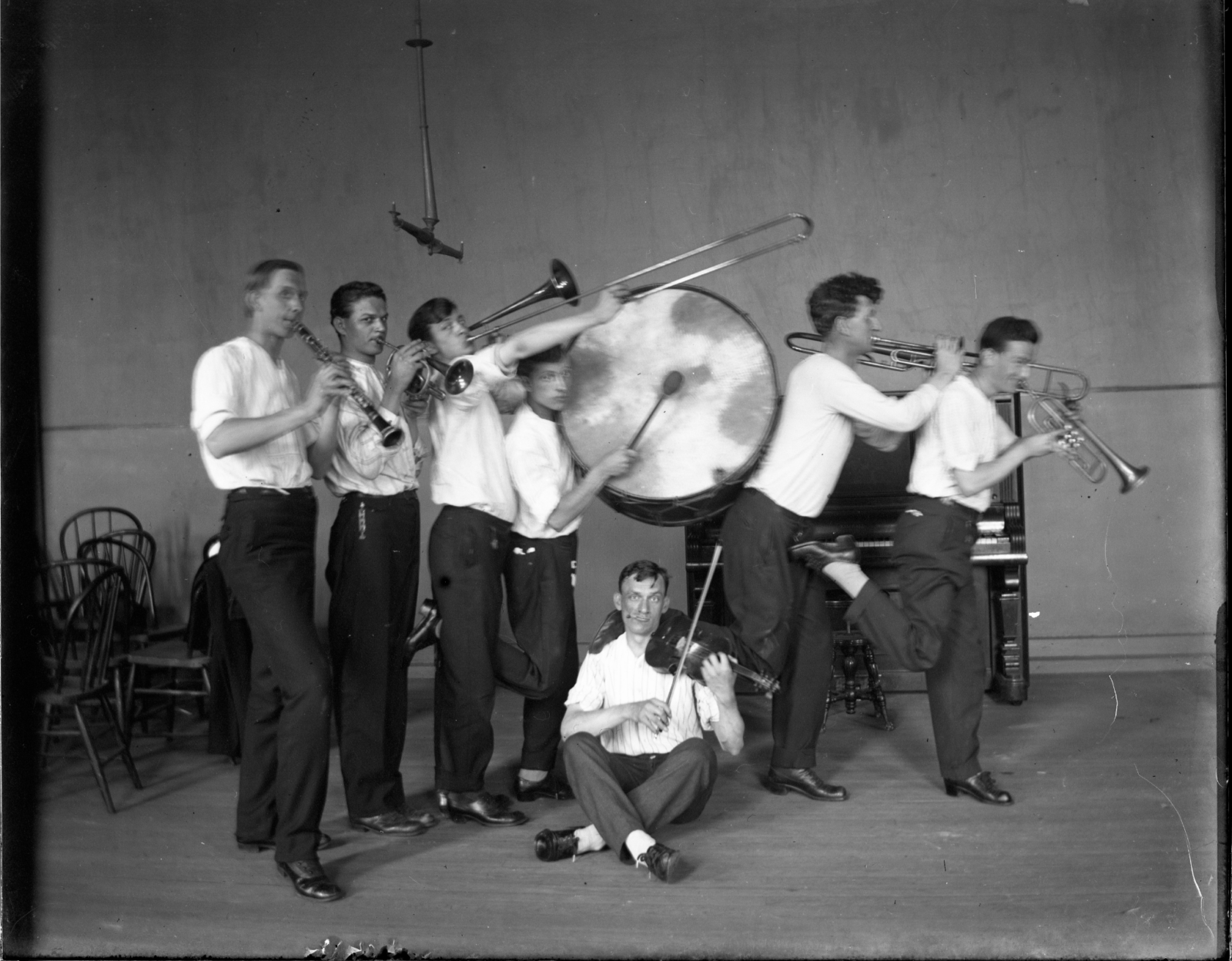
A group of seminarian band players.
Bishop DuBourg recognized the importance of education and priestly formation, establishing the first college and first seminary west of the Mississippi. Saint Louis Academy opened in 1818 and later became Saint Louis University. That same year, the Vincentians founded St. Mary of the Barrens Seminary near Perryville, kicking off a strong legacy of priestly formation that continues through Kenrick-Glennon Seminary.
The local Church’s commitment to serving those in need quickly followed. In 1828, Mullanphy Hospital, operated by the Sisters of Charity, opened to welcome all regardless of race, nationality or religion and played a vital role during St. Louis’ cholera epidemics. An orphanage was also established next to the hospital, later taken over by the Sisters of St. Joseph of Carondelet and known as the St. Joseph Home for Boys.
St. Louis Catholics also helped launch national movements. In 1845, lay parishioners started the first Society of St. Vincent de Paul council in the U.S., raising $17.70 at the first meeting to fund services for neighbors in need. In the 20th century, Father Elmer Behrmann founded the first diocesan special education department. Archbishop Joseph Ritter created the first diocesan foreign mission, sending priests to serve the people of Bolivia. And Cardinal John Carberry founded the first diocesan pro-life office following the Roe v. Wade decision in 1973, creating a model adopted by dioceses throughout the country.
Racial segregation shaped the Church in St. Louis from its earliest days. Bishops DuBourg, Rosati and Kenrick and other clergy participated directly in slaveholding. Black Catholics worshiped separately through the 1800s, including a repurposed building as St. Mary’s Chapel from 1832, segregated galleries at the Old Cathedral from 1834 and a chapel at St. Francis Xavier from 1858, until the opening of St. Elizabeth Parish in 1873. Efforts to educate Black Catholics were blocked by mob violence and an 1847 state ban. Integration proceeded slowly through the 20th century, with Saint Louis University admitting Black students in 1944 and Archbishop Ritter’s desegregation of schools in 1947.
In 1978, Father Ed Feuerbacher, other pastors and lay Catholics at several north St. Louis parishes formed the St. Charles Lwanga Center, a ministry to support Black Catholic spirituality and culture. The ministry has remained a mainstay in the archdiocese.
Religious communities and their ministries also transformed education, health care and social services throughout the history of the archdiocese, starting with St. Rose Philippine Duchesne and her sisters who arrived in 1818 and established the first free school west of the Mississippi in St. Charles. The Alexian Brothers, Sisters of Mercy and Sisters of St. Mary were instrumental in founding hospitals and healthcare outreach.
In January 1999, the archdiocese welcomed St. John Paul II on his seventh and final visit to the U.S., a whirlwind 31-hour pastoral visit that became one of the most celebrated moments in archdiocesan history. His visit included a youth rally at the Kiel Center (now Enterprise Center), Mass at the Trans World Dome (now The Dome at the America’s Center) and evening prayer at the Cathedral Basilica of Saint Louis (which he designated as a basilica two years before his visit). Seeds of faith planted during his visit continue to bear fruit: Many who attended the youth rally as teenagers have since become priests, religious sisters and archdiocesan lay leaders.
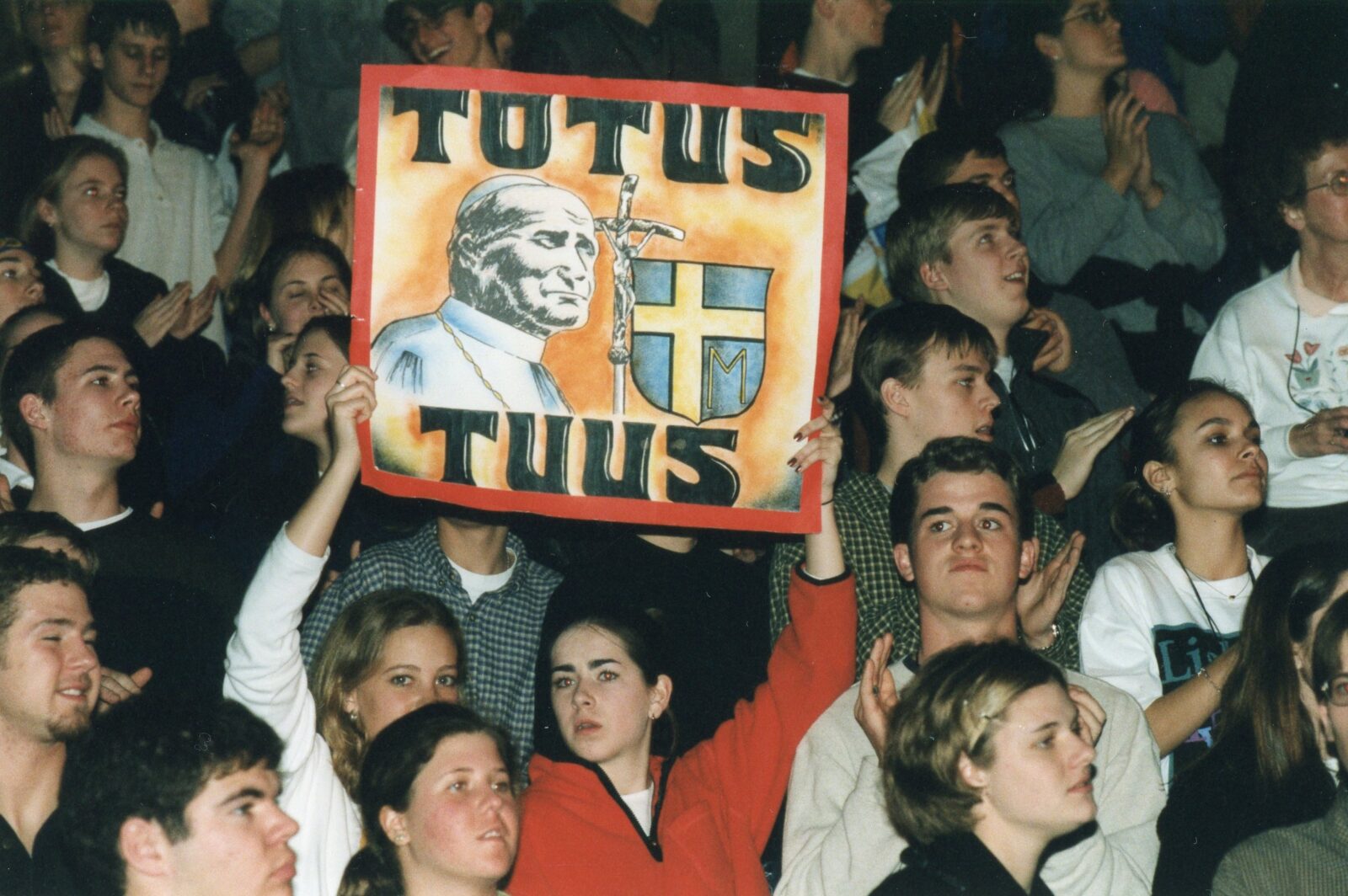
A group of young people attended the youth rally with St. John Paul II at the then-Kiel Center in 1999.
Bishops and archbishops of St. Louis
Bishop Louis William Valentine DuBourg (1815-1826)
Bishop Joseph Rosati, CM (1826-1843)
Archbishop Peter Richard Kenrick (1843-1895)
Archbishop John Joseph Kain (1895-1903)
Cardinal John Joseph Glennon (1903-1946)
Cardinal Joseph Elmer Ritter (1947-1967)
Cardinal John Joseph Carberry (1968-1979)
Archbishop John Lawrence May (1980-1992)
Cardinal Justin Francis Rigali (1994-2003)
Cardinal Raymond Leo Burke (2004-2008)
Archbishop Robert James Carlson (2009-2020)
Archbishop Mitchell Thomas Rozanski (2020-present)
Our patron saints
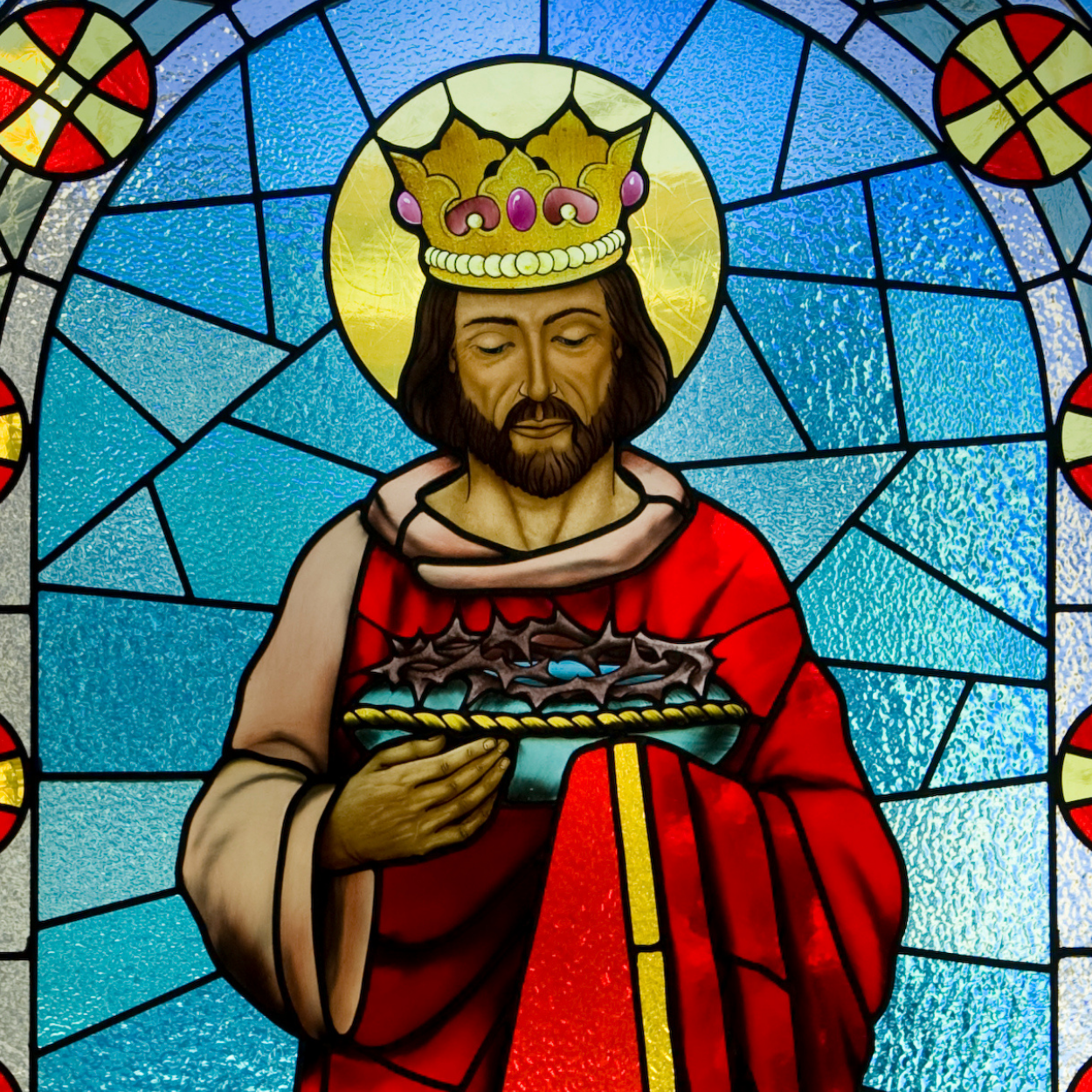
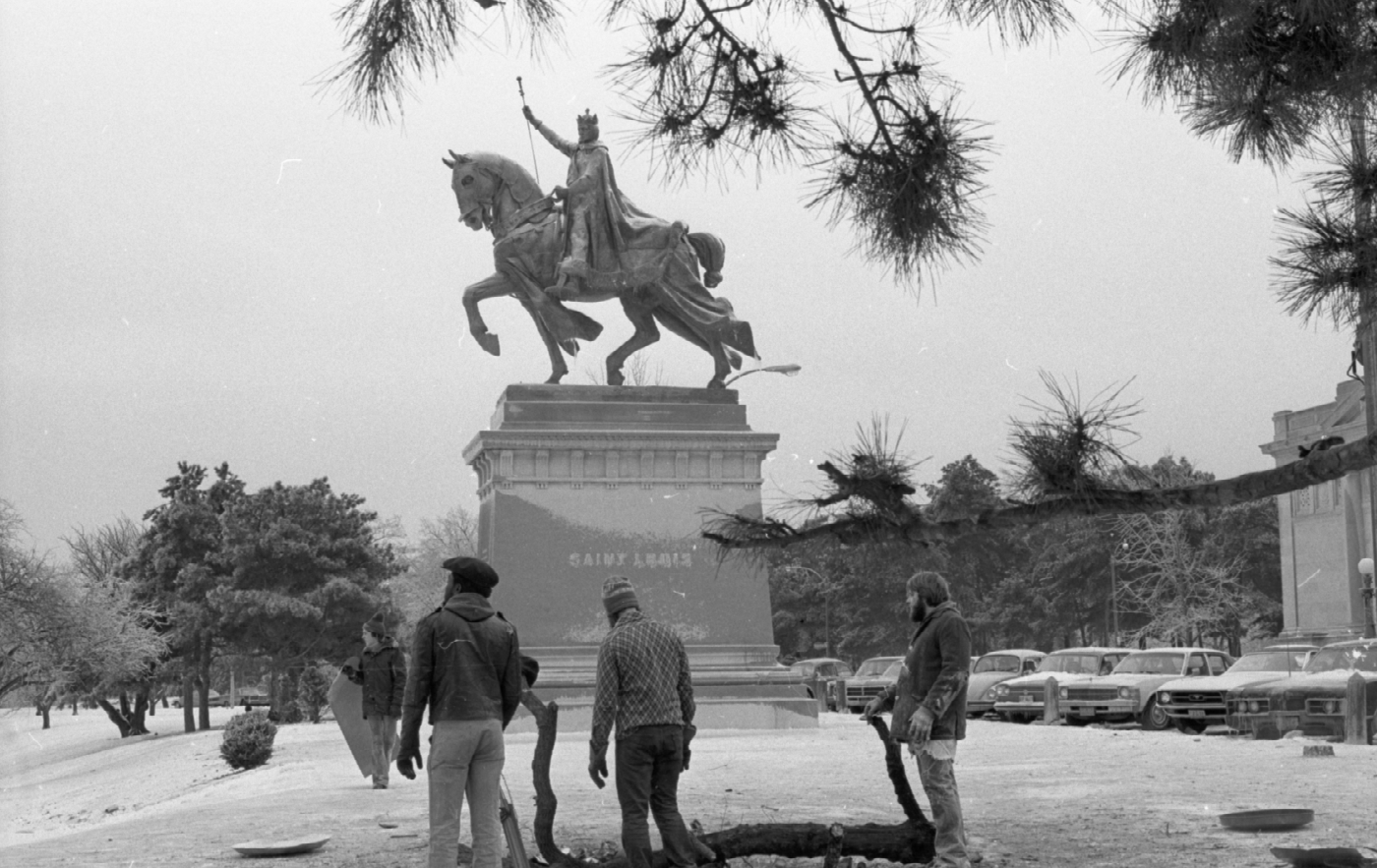
St. Louis IX, King of France
Louis IX was crowned king at age 12 and made devotion to his faith central to his rule. He was known for giving money to the poor and inviting them to eat at his table. He led two crusades to North Africa and died in 1270. He was canonized in 1297, and his feast day is celebrated on Aug. 25.
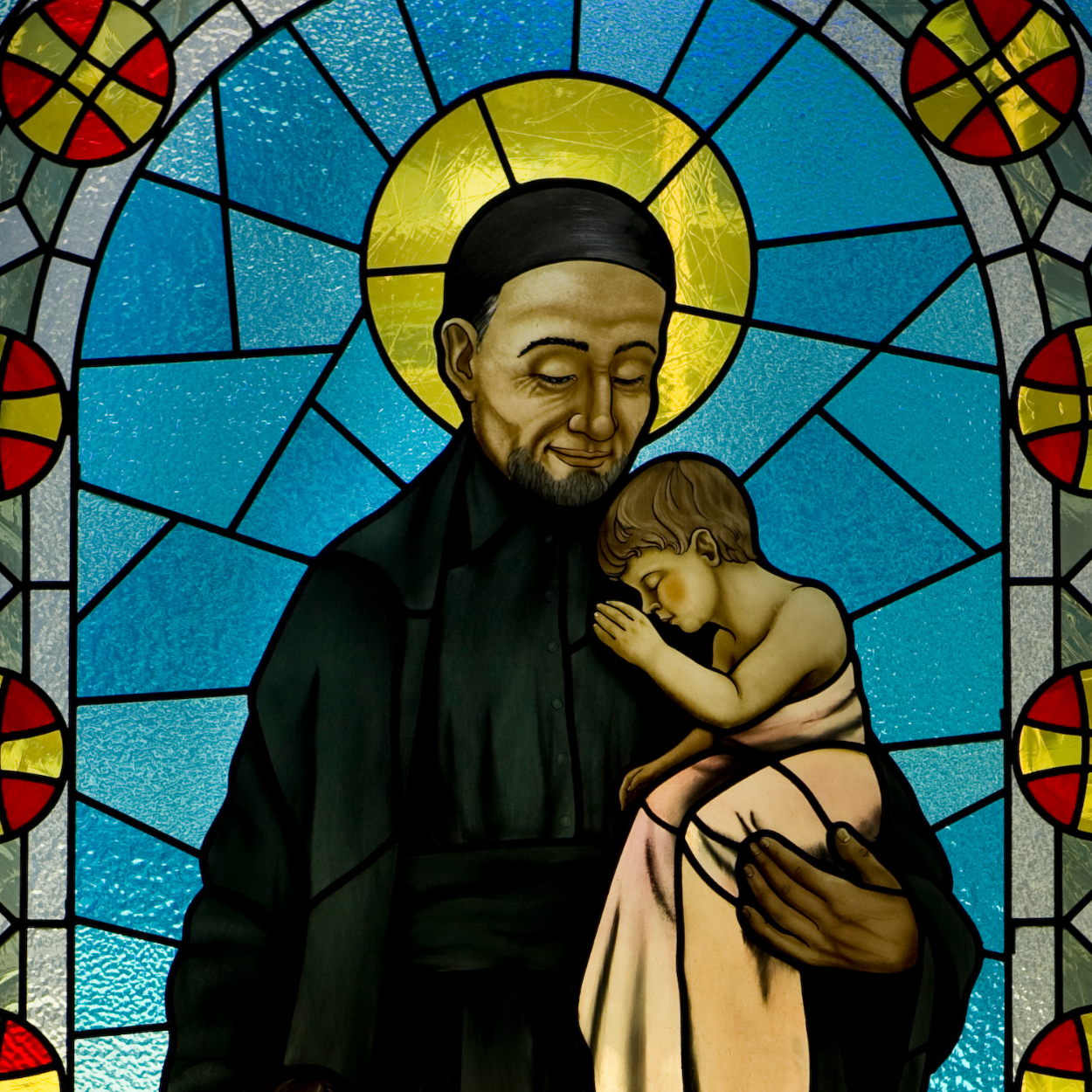
St. Vincent de Paul
St. Vincent de Paul is known for his dedication to those in poverty. He was ordained priest in France in 1600 and formed the Congregation of the Mission, as well as the Daughters of Charity and Ladies of Charity. He died in 1660 and was canonized in 1737. His legacy lives on through the many Vincentian communities serving those most in need around the world. His feast day is Sept. 27.
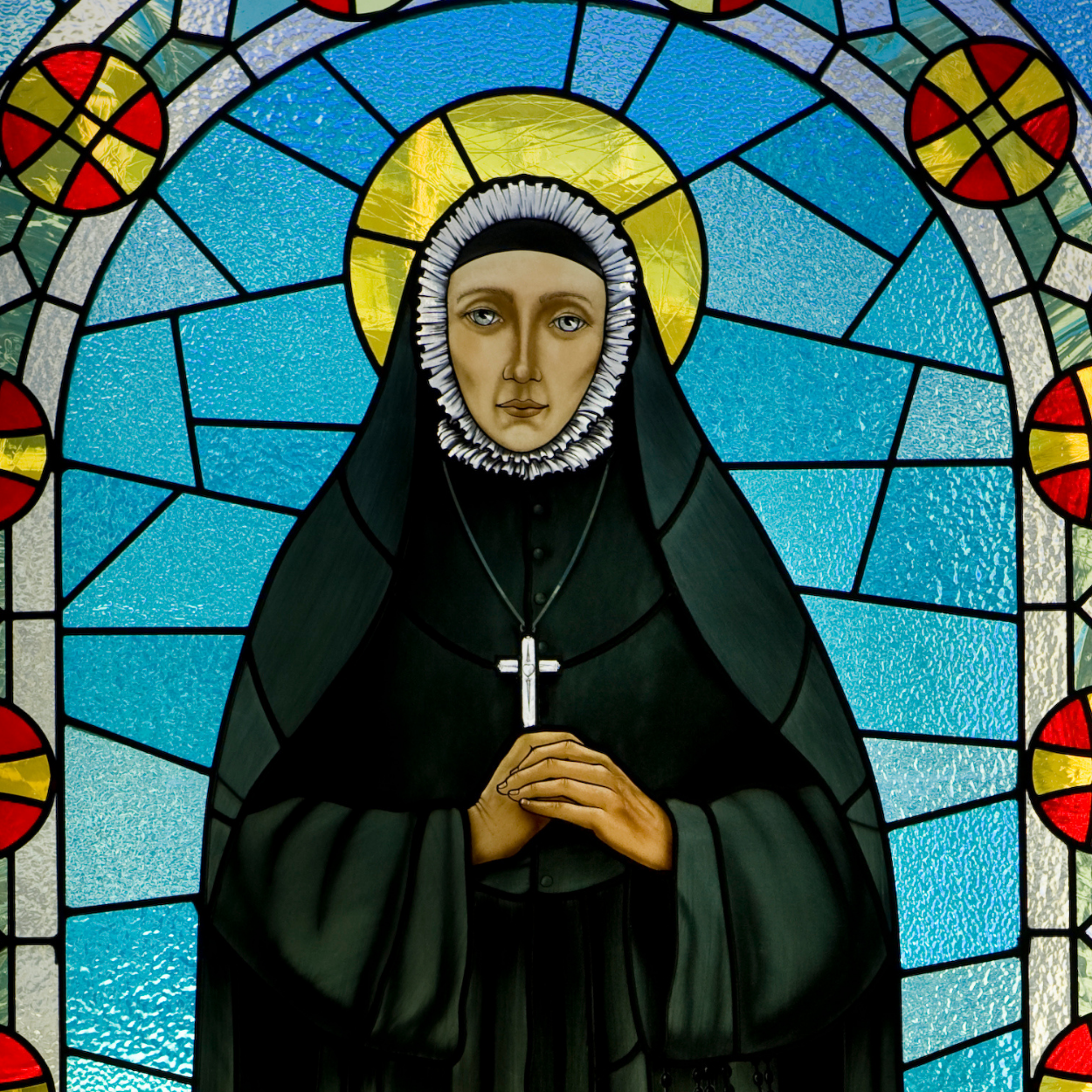
St. Rose Philippine Duchesne
Rose Philippine Duchesne was born in France in 1769. She entered the Society of the Sacred Heart and longed to serve as a missionary to the native people in North America. In 1818, she and four other sisters came to the U.S. and opened the first free school west of the Mississippi River in St. Charles; they opened a novitiate in Florissant in 1820. In 1841, she traveled to Sugar Creek, Kansas, to serve Potawatomi girls and earned the name “Woman Who is Always Praying.” She died in St. Charles in 1842 and was canonized in 1988. Her feast day is Nov. 18.
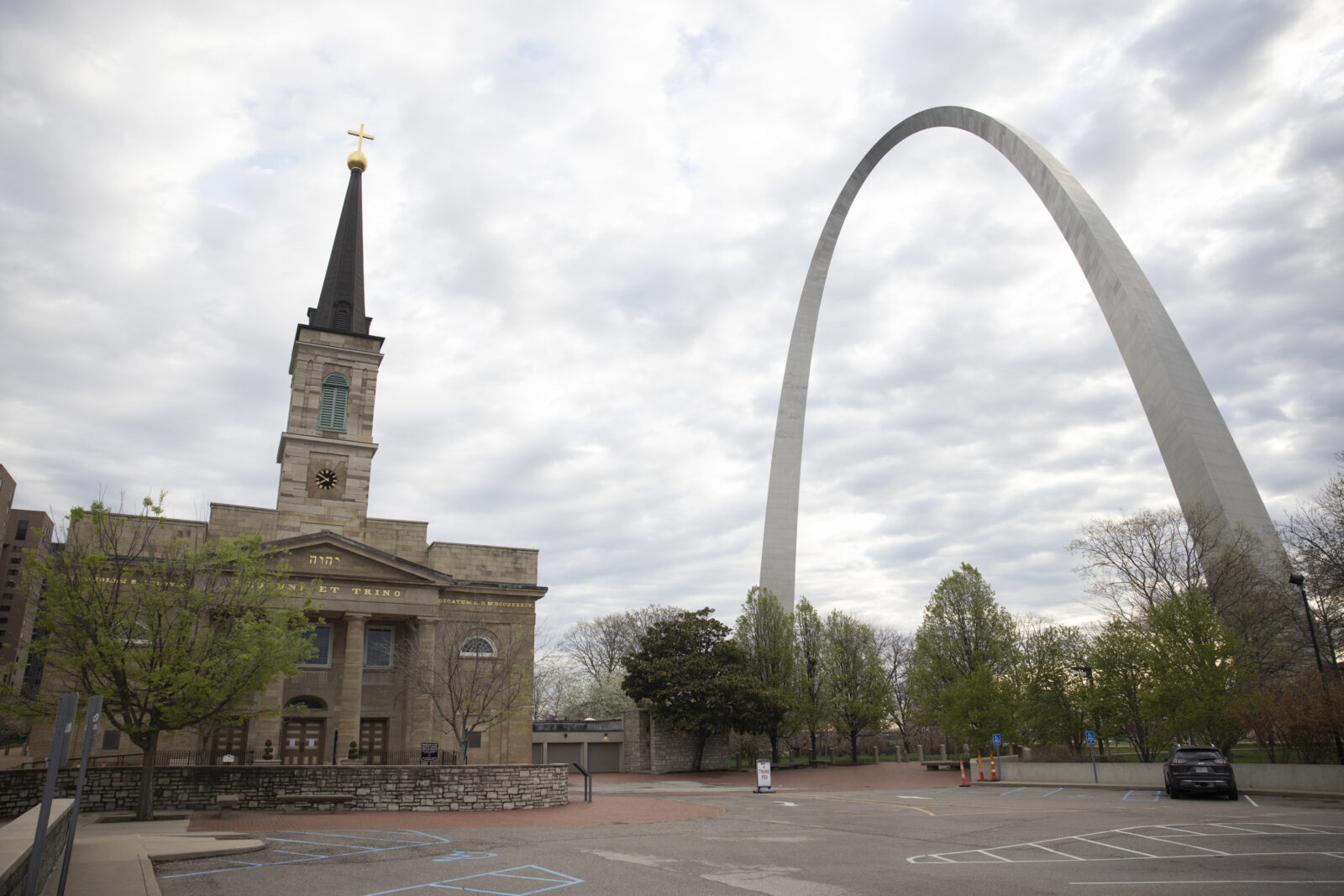
The current Basilica of St. Louis, King of France (Old Cathedral) was built in 1834 to replace a brick cathedral that was completed in 1820.
Bicentennial Mass of celebration
Archbishop Gabriele Caccia, apostolic nuncio to the United States, will celebrate a Mass for the Bicentennial Jubilee Year at 10 a.m. Saturday, July 18, at the Cathedral Basilica of Saint Louis. Cardinal Timothy Dolan will be the homilist. A reception will follow.
Plenary indulgence and pilgrimage sites
The Vatican’s Apostolic Penitentiary has granted a plenary indulgence for the Jubilee Year. To receive an indulgence, faithful must undertake a pious pilgrimage to any of the 15 designated pilgrimage sites in the archdiocese through July 26, while fulfilling the usual conditions.
Northern Vicariate:
- • Cathedral Basilica of Saint Louis
- • Basilica of St. Louis, King of France (Old Cathedral)
- • Chapel of St. Vincent de Paul (Cardinal Rigali Center)
- • St. Josephine Bakhita Parish/Most Holy Trinity Church
- • St. Ferdinand Parish
- • St. Ferdinand Shrine
- • St. Cecilia Parish
Southern Vicariate:
- • Ste. Genevieve Parish
- • St. Vincent de Paul Parish (Perryville)
- • St. Joachim Parish (Old Mines)
Western Vicariate:
- • St. Francis Borgia Parish (Washington)
- • All Saints Parish (St. Peters)
- • St. Charles Borromeo Parish (St. Charles)
- • St. Rose Philippine Duchesne Shrine (St. Charles)
- • St. Alphonsus Parish (Millwood)
To learn more about the pilgrimage sites and the bicentennial, visit archstl200.org.
Christ’s Light Among Us photo contest
Faithful photographers from around the Archdiocese of St. Louis considered “Where do you see Christ’s light in your life?” when submitting images for the Christ’s Light Among Us photo contest.
Those photographers, both youth and adult, submitted more than 250 images for the contest which is one of the ways the archdiocese is marking its 200th anniversary.
Judges narrowed down the submissions to 33 photos which included quiet moments of prayer, churches bathed in sunlight and numerous other scenes highlighting the local Catholic community.
A selection of images from the photo contest will be displayed at the bicentennial jubilee Mass at 10 a.m. Saturday, July 18, at the Cathedral Basilica of Saint Louis.
Images selected for recognition can be viewed here: https://archstl200.org/photocontest/
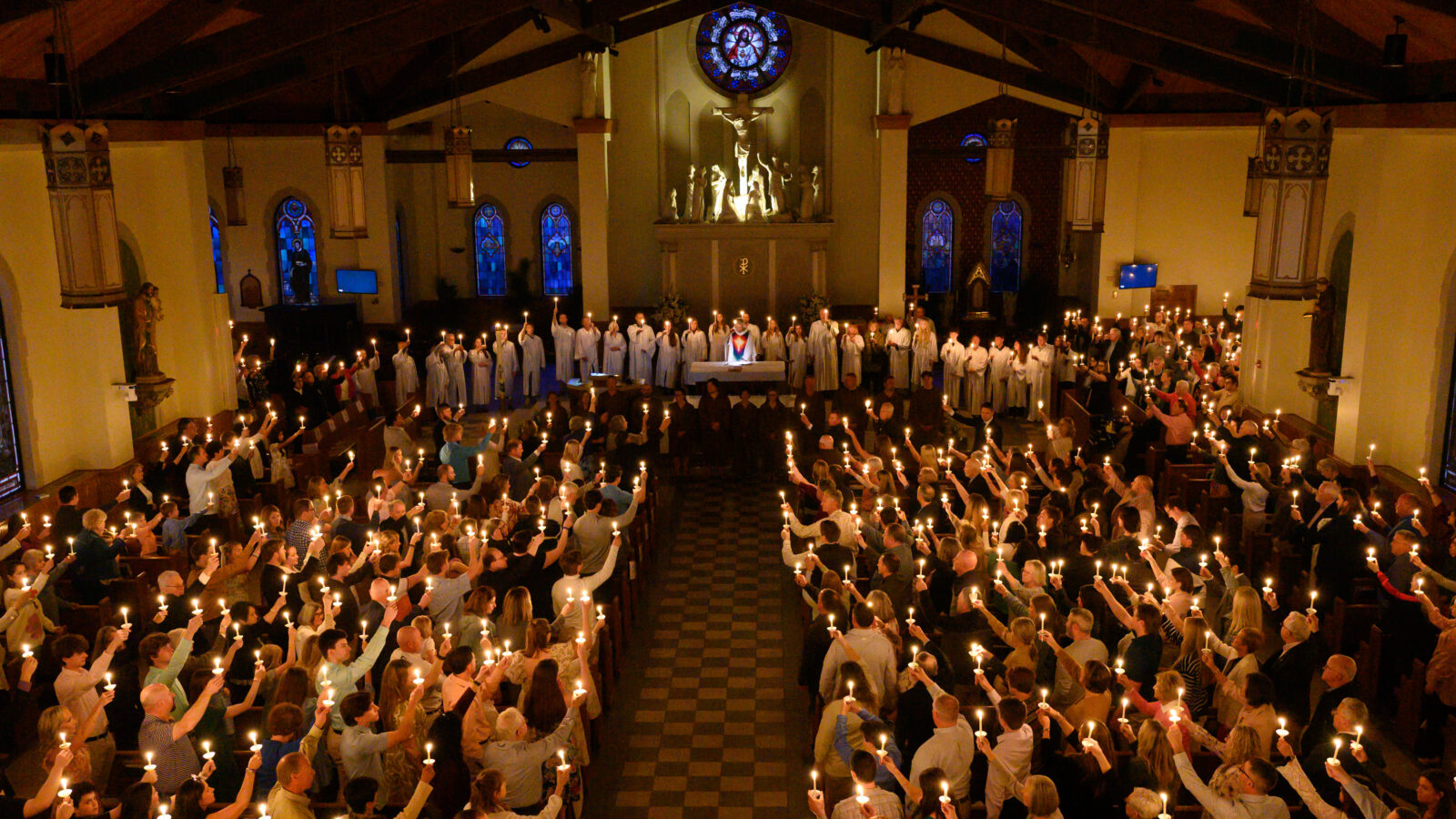
Submission by: Dave Koester