Why did Jesus pick Peter to lead the Church instead of someone like ‘the beloved disciple,’ who seems to have a special closeness to Jesus?
While I will not claim to know Jesus’ mindset in choosing Peter as the “Rock” upon which He built the Church, this question highlights how God values things differently than we human beings do.
Our natural human instinct is to regard “being in charge” as the best thing possible. We value our leaders and grant them fame, wealth and power. However, as Christians, we never tell our children to aspire to become pope one day (like we might encourage them to become president). Rather, we encourage them to become saints. Pope is not the most important thing a Christian can be. It is far better to become holy and united to God’s love!
That love will indeed call some people to serve as leaders, but it will also call some to serve behind the scenes through works of mercy, prayers or learning. Money and control don’t make us great — our nearness to Christ and our life of charity do. In that way, we can see that Jesus may have had special friends, more generous workers or more wise followers than Peter, without that meaning He needed to put them in charge.
Why then was Peter selected as the first pope? I suspect that it is because he had a special charism, a spiritual talent given by God for service. We all have different charisms that are expressions of the Holy Spirit at work in us. Some are well suited for leadership and administration; others may have talents for healing, hospitality or evangelization. Others may serve through handiness, learning or art and music. These charisms do not make us better or worse, but they do suit us for particular types of ministry.
One example of this division of labor is the upcoming solemnity of Sts. Peter and Paul on June 29. We might assume that each of these great foundational saints warranted his own feast, but by celebrating them together, the Church highlights how their ministries complement one another.
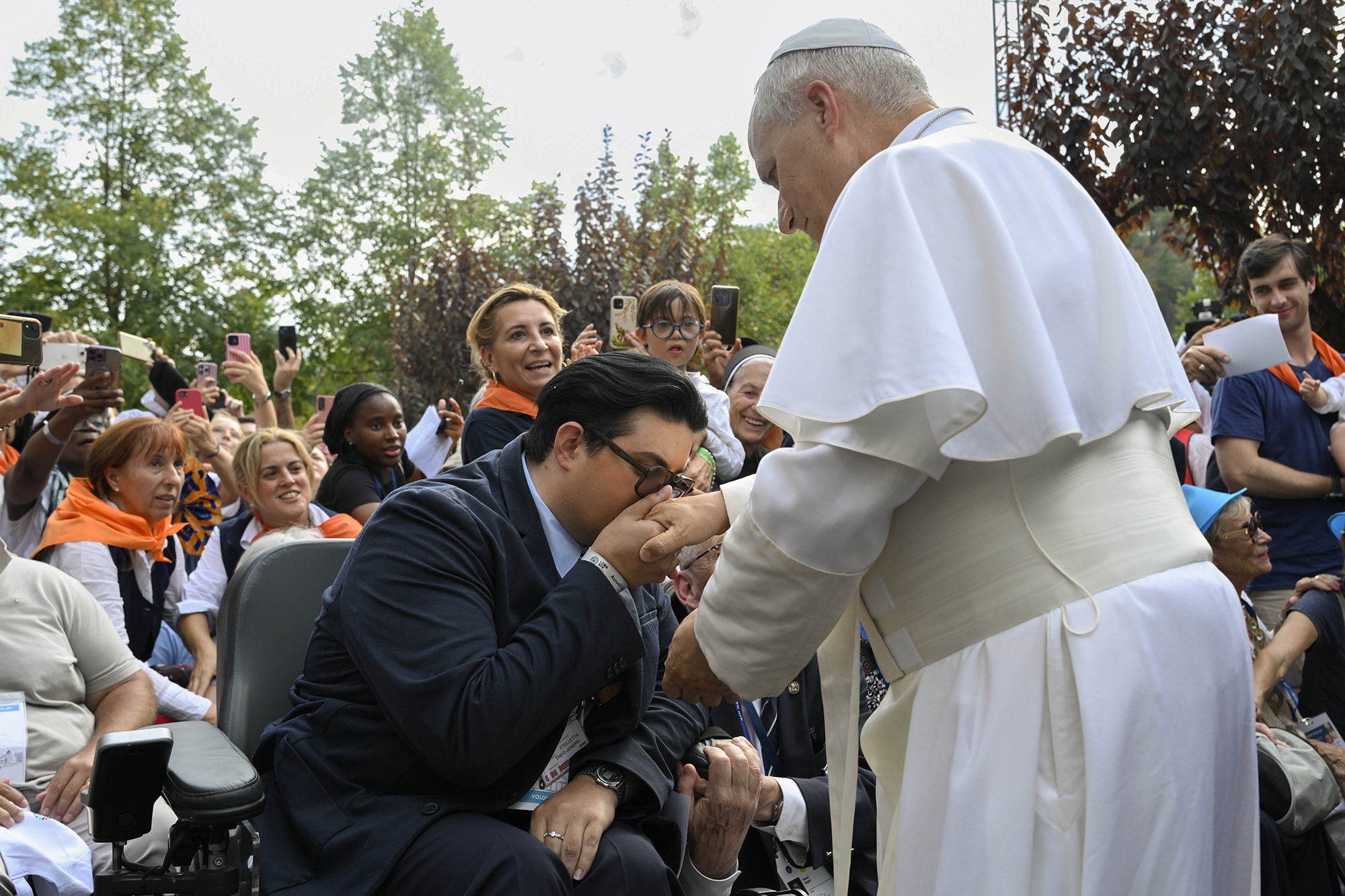
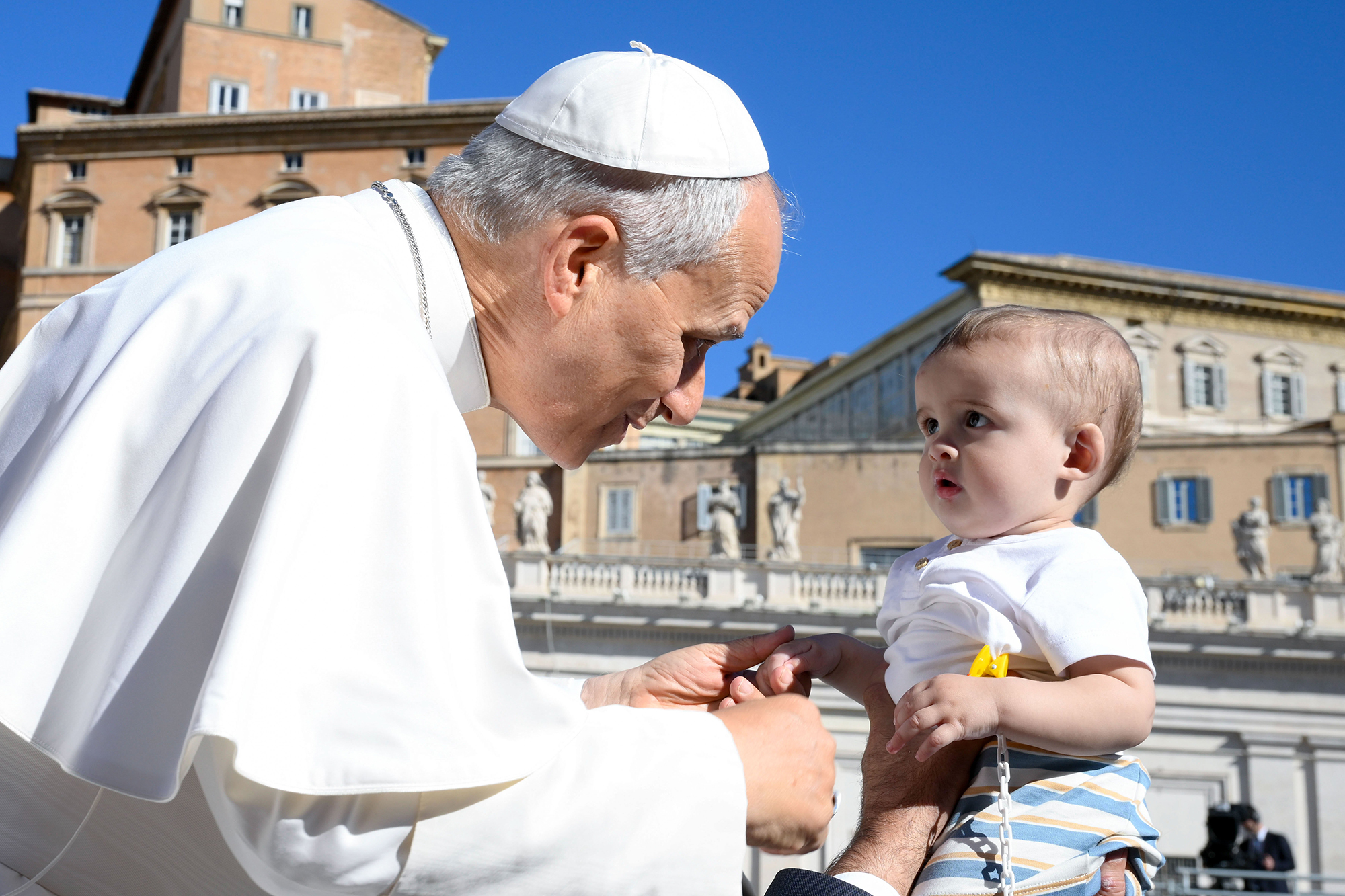
Peter, the first pope, stands as a shining example of community leadership. From the first days of his discipleship, he seems to have naturally spoken as a representative for his fellow apostles. This is often what gets him in trouble — he says out loud what the others are afraid to!
Then, in the fullness of time, he acts as an institutional leader, serving on decision-making bodies such as the Council of Jerusalem (Acts 15) to bring discussion to a close and rally the whole Church around a chosen teaching. People from many walks of life and from all over the Church seemed to trust Peter and value his ability to hold the Church together.
Meanwhile, Paul shone with a particular missionary zeal. Unlike Peter, who served as bishop of Antioch and Rome for extended periods, Paul was always on the move, called by the Spirit to bring new people to the knowledge of the Gospel rather than to become a stable administrator of a particular local church. In fact, his personality was so fiery that it is unlikely he would have been as good at uniting people behind him.
Both Peter and Paul had different gifts and they served God with them. Being in charge did not make Peter a better person or Christian, but both he and Paul are revered for their sanctity and dedication to the Lord. So we are all meant to discern what unique talents God has granted us to serve with and to feed them with our prayer and holiness!
Father Chris Schroeder is parochial administrator of Christ the King Parish in University City and St. Joseph Parish in Clayton.