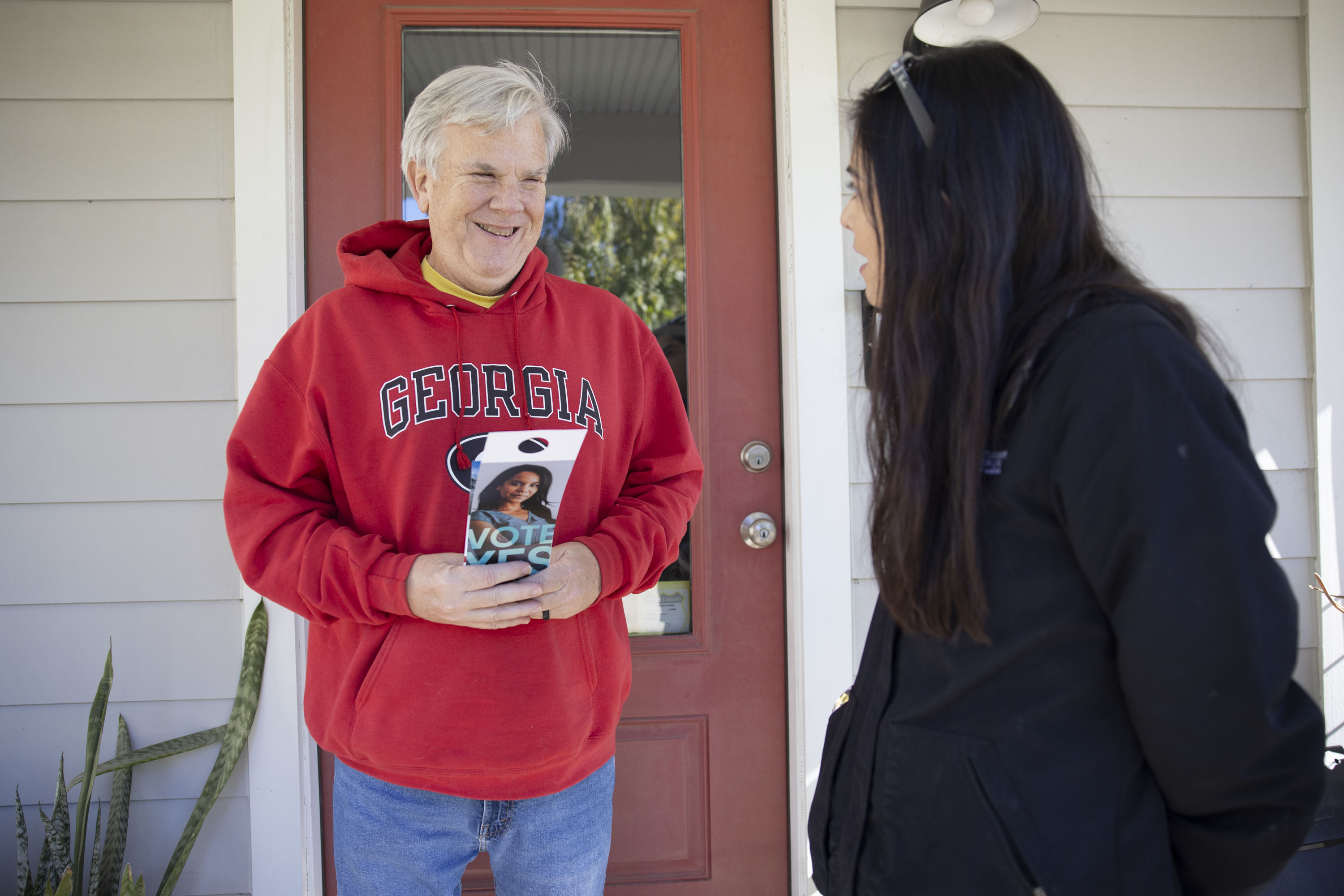
Catholic leaders from four states heard personal testimonies, best practices at ‘Witness to Hope’ event on Oct. 24
It had been 77 days since Sarah Williams hugged her father.
Ricardo Montes was detained by U.S. Immigration and Customs Enforcement at the Sikeston Jaycee Bootheel Rodeo on Aug. 8. He is now at Ste. Genevieve County Detention Center, and Williams and her 10-year-old son make the drive from their home in Sikeston every Sunday to have a few minutes of visiting time with him through a glass partition.
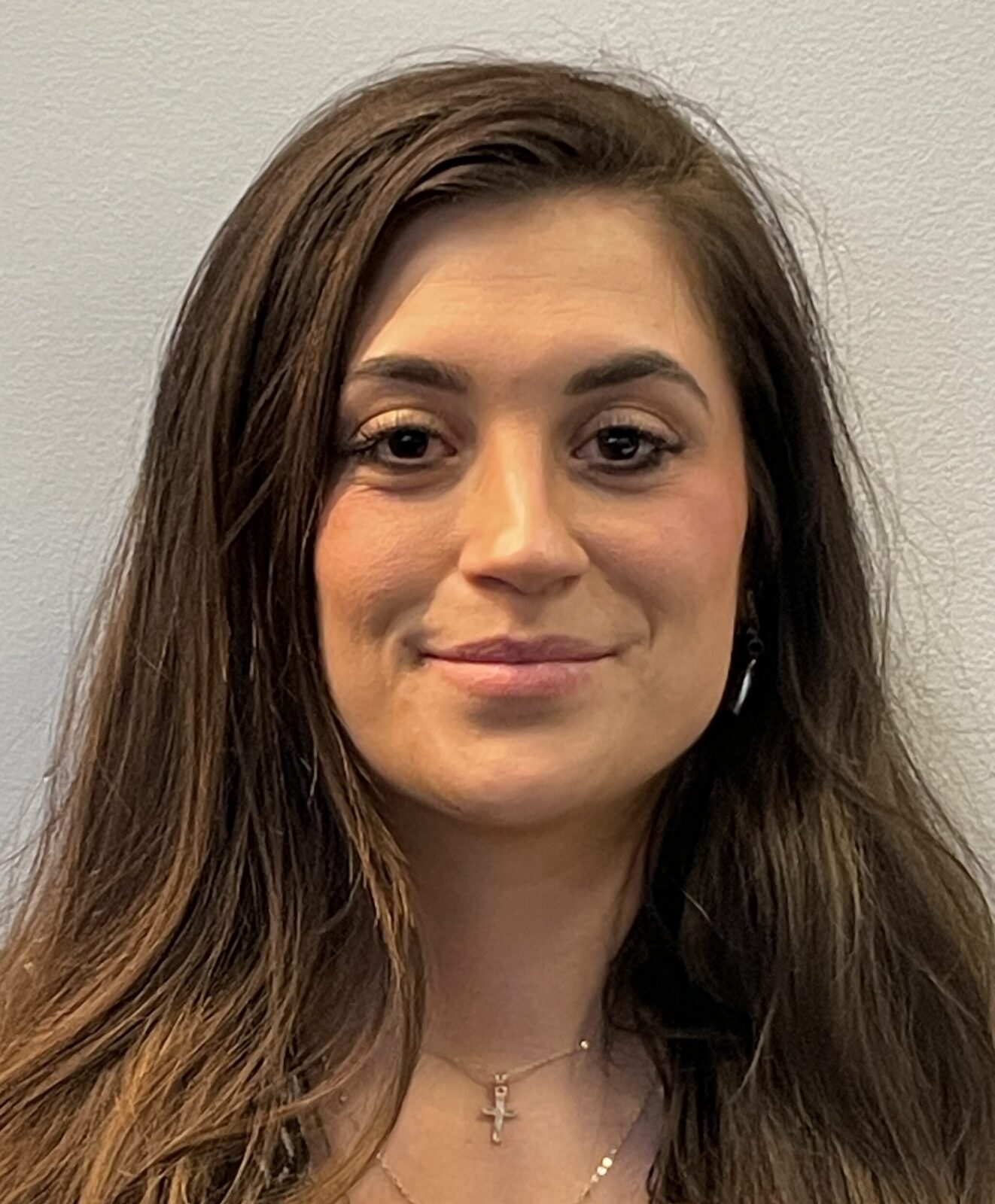
Montes, a Catholic, has found strength in his faith but misses attending Mass and receiving the sacraments, Williams said. He also hasn’t been able to speak with a priest as often as he would like due to the limited clergy visiting hours.
Montes had lived in Sikeston for 27 years. Since his arrest, Williams has taken on a second job to help her mother pay the bills, as well as shouldering the stress of finding a lawyer, trying to help her father stay up-to-date on his medication while in detention, and dealing with the emotional stress on both her younger siblings and her own three children.
“In the first two weeks, I lost almost 12 pounds from depression — not eating, can’t focus, worrying how I’m going to take care of my mother, worrying how I’m going to take care of my father while he’s gone,” she said. “Through this time, I’ve learned that you cannot give up on hope.”
Williams shared her experience with leaders from 10 archdioceses and dioceses in Missouri, Illinois, Iowa and Nebraska who gathered Oct. 24 at St. Louis University High School for “Witness to Hope,” a daylong event on the care of immigrant communities from a Catholic perspective.
The event was sponsored by the Archdiocese of St. Louis, the Hope Border Institute, the Center for Migration Studies of New York and Catholic IMMpact. Bishop Ralph O’Donnell of Jefferson City, Missouri, celebrated the midday Mass.
Father Scott Jones, episcopal vicar for the Northern Vicariate of the Archdiocese of St. Louis, began the event by quoting the opening lines of the Vatican II document “Gaudium et Spes”: “The joys and the hopes, the griefs and the anxieties of the men of this age, especially those who are poor or in any way afflicted, these are the joys and hopes, the griefs and anxieties of the followers of Christ. Indeed, nothing genuinely human fails to raise an echo in their hearts.”
“We’re here today because of what has found an echo in our own hearts,” Father Jones said. “The current state of affairs in our country as it relates to our immigrant brothers and sisters, both those who are facing status issues, legal issues, as well as their friends and loved ones — it calls for a response from the faith community.”
Archbishop Mitchell T. Rozanski, who was unable to attend the gathering because of illness, has been a strong voice in favor of the dignity of migrants and refugees, Father Jones said, pointing to the archbishop’s statement on the World Day of Migrants and Refugees, meeting last fall with immigrants from St. Louis parishes and the current lawsuit seeking sacramental access for those detained in the Ste. Genevieve County Detention Center.
Kevin Appleby, senior fellow for policy and communications at the Center for Migration Studies, said that focus on human dignity is key when examining the Church’s teaching on immigration.
“Sovereign nations have a right to manage and control their borders — this is acknowledged — and to enforce their laws, as long as they’re just laws,” he said. “But they have to respect human dignity and human rights in doing so, and that’s where the current situation breaks with the path of that teaching, because we’re seeing the violations of human dignity in this mass deportation campaign.”
The event included an overview of the current detention and deportation situation in the region and recommendations for dioceses’ responses. Two more people shared their personal experiences with the effects of the immigration system.
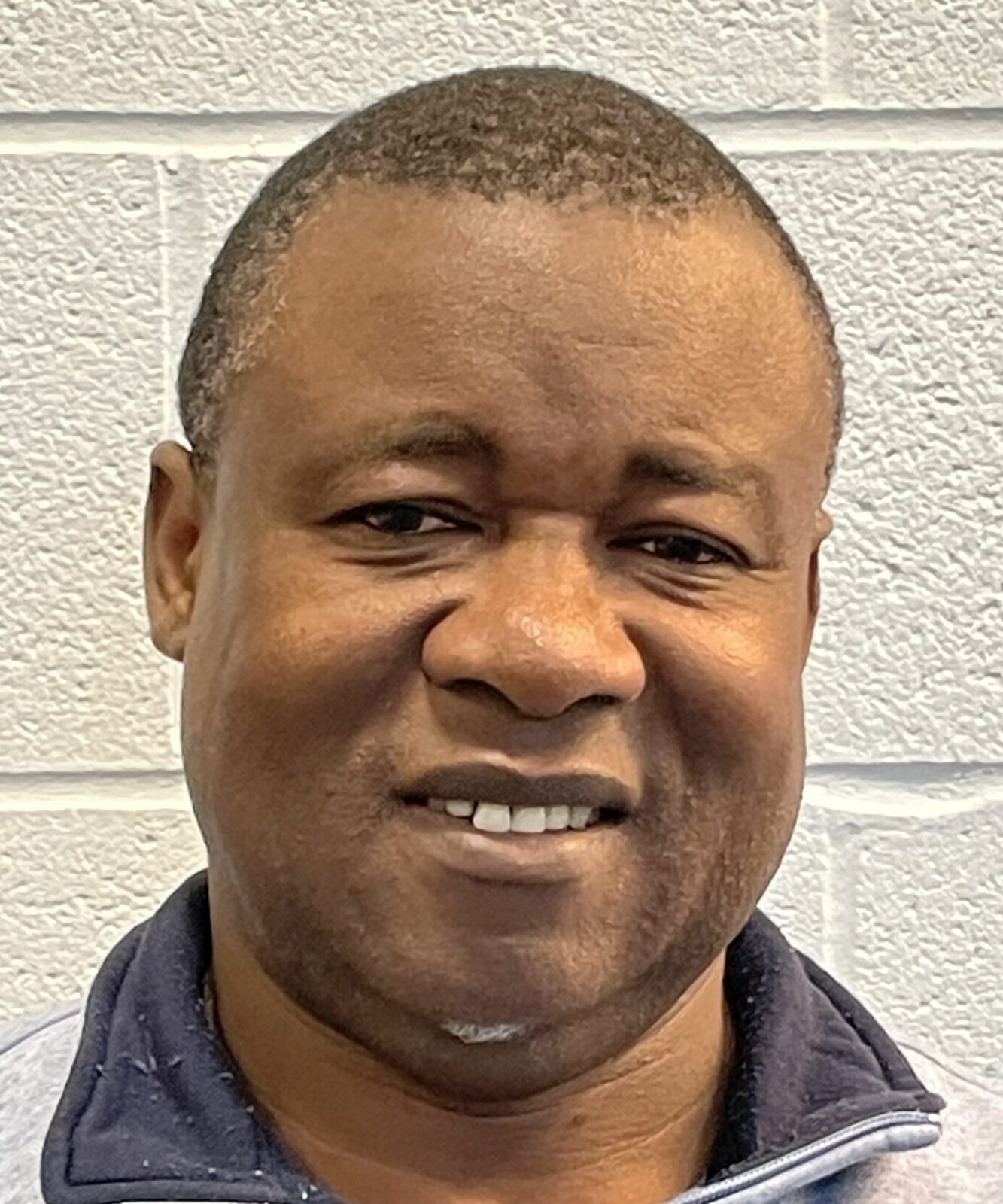
Roland N’Guessan, a parishioner at St. Norbert in Florissant, came to St. Louis from Ivory Coast in 2001. He and his family were parishioners at St. Pius V in south St. Louis for 22 years before joining St. Norbert, where N’Guessan now plays drums in the choir.
N’Guessan was arrested in front of his home on July 3 and was told it was because of an order of removal issued in 2006. However, a judge ruled that he and his wife could not be sent to war-torn Ivory Coast, and they had been attending regular immigration check-ins ever since as they worked to obtain green cards, he said. Now, he was told he could be sent to a third country: Senegal.
N’Guessan was held in the Ste. Genevieve County Detention Center as well as other facilities in Greene County, Missouri, and Oklahoma. He was hospitalized twice for medical issues and relied on prayer in the uncertainty of his situation, he said.
“I cannot sleep, so I wake up at 3 a.m. to pray,” he said. “On my mind, I think about my kids, and I think about my wife, too. You don’t know what’s going to happen to them.”
His wife was also detained, but the N’Guessans’ lawyer from Catholic Legal Assistance Ministry successfully petitioned a judge to reopen their cases. The St. Norbert and St. Pius V parish communities rallied around the family and raised the $28,000 needed to pay the bond to release them from jail in September.
ICE agents did not return his documents, though, so N’Guessan and his attorney are now working to regain his work authorization and driver’s license so he can return to work.
“So I just wait, and that means right now I don’t know” what’s going to happen next, he said.
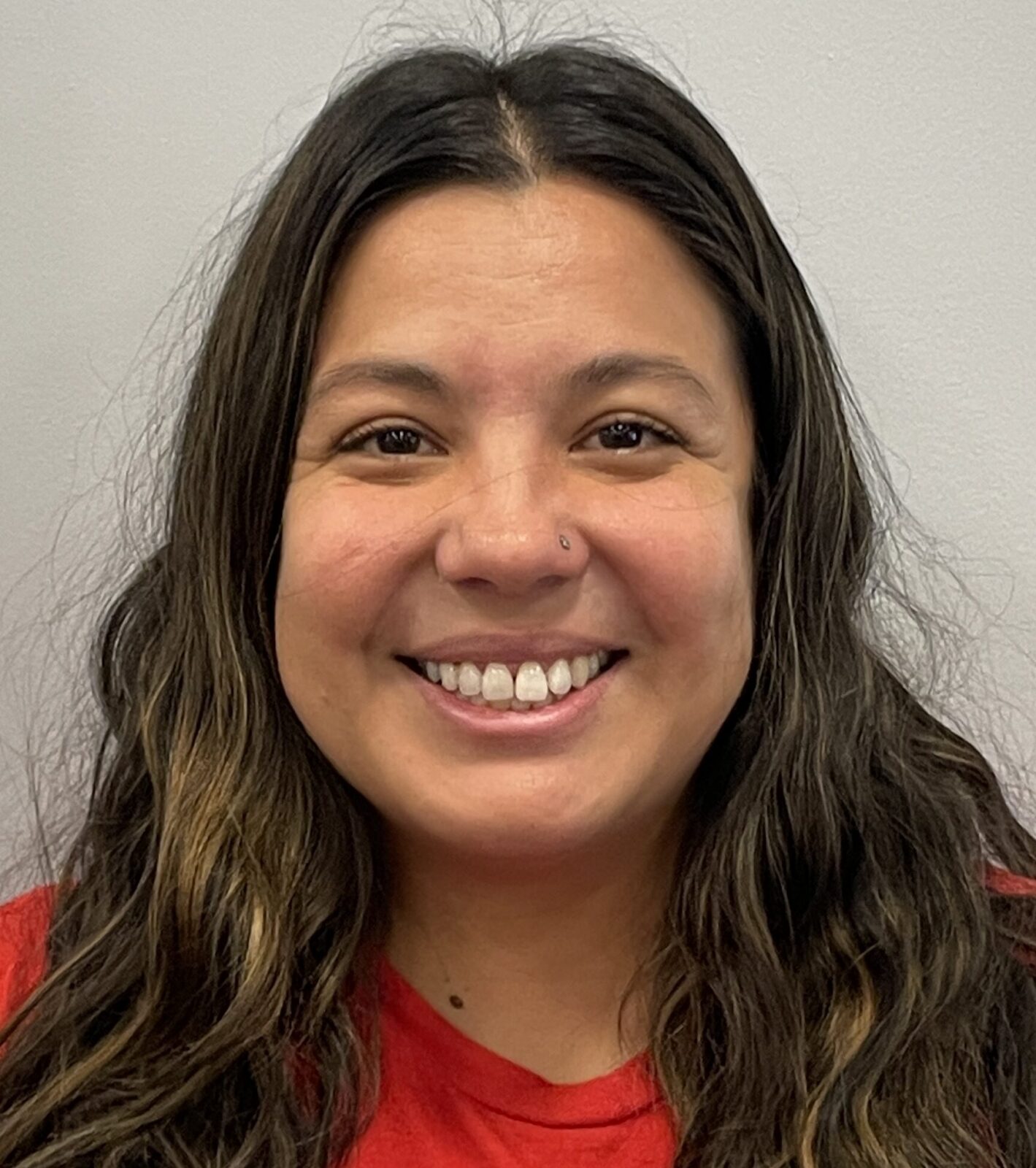
Vanessa Henriquez, an organizer with Missouri Workers, spoke about her friend Glendy González de la Cruz, who was killed in Guatemala alongside her husband, Nixon Pérez Paz, after leaving the U.S. this summer.
Pérez Paz was arrested by agents in Overland and deported last year, and Henriquez recalled sitting with González de la Cruz shortly after. She was nine months pregnant and not sure how she would pay the rent without her husband’s income.
But she was a fighter, Henriquez said, and in addition to doing everything she could to take care of her own family, she joined immigrant rights group Fuerza to advocate for others.
“Unfortunately, after a year of working two jobs and not having the dignity she wanted — being afraid to go out — having the stress of that was just too much,” Henriquez said.
González de la Cruz self-deported with her three daughters to join her husband in Guatemala this summer. Weeks later, the couple’s bodies were found bound and shot to death in a sugarcane field in southern Guatemala, with their 14-month-old daughter, Giovanni, crying next to them.
“People do need to know about this, and people do need to know that our immigration policies have real impacts on people and children,” Henriquez said.