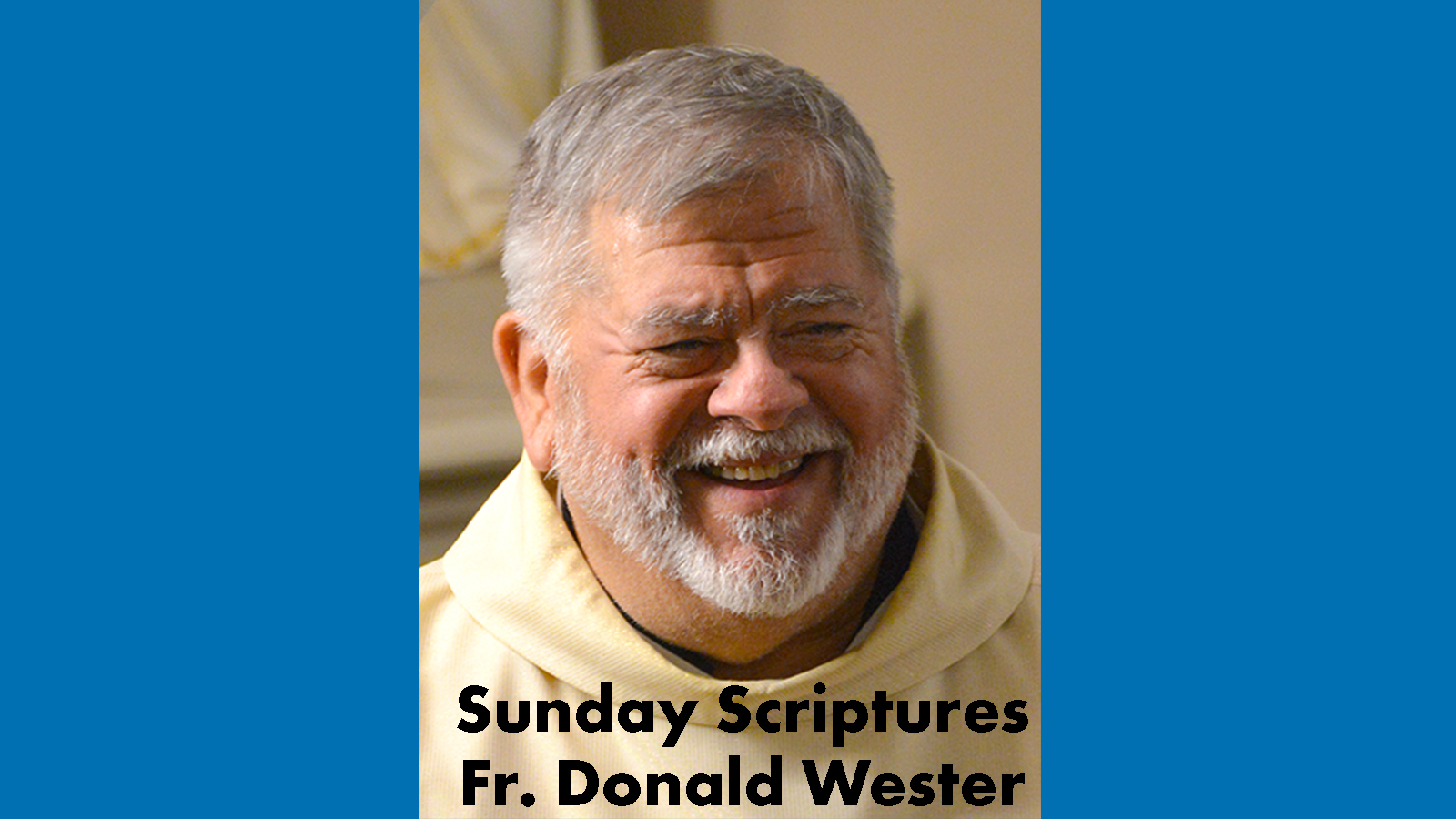
Our first assumption should be that people speaking to us are made in the image and likeness of God
We have likely heard the Gospel passage from the 29th Sunday in Ordinary Time many times. The one lesson we can learn from this Gospel is that we probably shouldn’t argue with Jesus because He’s smarter than all of us and harder to trap.
There’s a deeper lesson in this Gospel that may teach us something essential. Are we still capable of constructive conversation and listening? Do we see any purpose in listening to other people’s opinions and treating them with respect? Can we have conversations that aren’t based on winning or losing, proving somebody right or wrong or feeling like we’ve come out on top? How can we be more respectful in our conversations with one another and actually learn something from one another?
The Catholic Church has always held that each person has an inherent dignity that is given to them by God, who breathed a spirit of life into them and in whose image they are made. Each human person deserves respect and dignity. If we’re not careful, we can start to see people who disagree with us as our enemies or as people we should put down with our words and actions.
We all know the frustration of somebody who’s talking at us instead of talking with us. We all know the frustration of someone who is supposedly listening to us but is really only thinking about their comeback to what we’re about to say. What do we need to look at in ourselves so that we can have fruitful conversations and dialogue, especially with those who have differing opinions or who live different lives than ours?
We can quickly become convinced that we know why people say what they say or act the way they do, even before we know anything about their lives. All we have to do is reflect on our own lives and the history we’ve been through to understand that it isn’t just a word that comes out of our mouth; it’s based on what we’ve been through in life. It is the same way with others. We may know we shouldn’t argue with Jesus because He is smarter than we are, but have we come to the point where we can admit we don’t have an answer for everything, and that we might be able to learn something from other people?
I can reflect on my life and see the times I thought I knew better than someone, only to realize later they were much wiser than I was. These are just a few reminders of what might help us to enter into fruitful conversation and dialogue with others, especially with those different from us.
I’m going to challenge us to watch ourselves as we approach other people who are voicing opinions or beliefs different than ours. Is our first assumption that they are made in the image and likeness of God and deserve human dignity? Is our first step toward them one of love, not hatred, separation or prejudice?
We have each been misunderstood by people who do not know us. They might see us make the sign of the cross at a restaurant or, in my case, wearing a collar, and people have come at us simply because of what they saw rather than who we are. None of us like that, and I’m certain the people we do it to don’t like it either. Our first step should be to love everyone. That would probably take a conversion on our part. We would have to renew our belief in Jesus’ teachings that tell us to love our enemies and do good to those who would hurt us. We can adjust that Gospel teaching because we don’t think it’s modern enough, but it remains the teaching of Jesus.
Imagine what could happen in a world where people spoke with each other and — even more importantly — listened while others were speaking. In the Gospel this weekend, once Jesus was able to listen to the questions being asked of Him, He was able to respond in a loving but truthful way. It certainly wasn’t what the people who came to Him wanted, but it was the truth, and it was done with love. If our only goal in conversation is winning, we all lose.