Why do some priests get addressed in different ways like ‘Reverend,’ ‘Very Reverend,’ or ‘Monsignor’?
Throughout history and across cultures, there is a common human practice of developing titles and forms of address, especially to show respect. In Japan, the emperor might be known as the “Son of Heaven,” or the kings and queens of the Zulu as “He/She who Concerns the Enemy.” Even our own common address “Mister” is derived from the word master, meaning one who has authority.
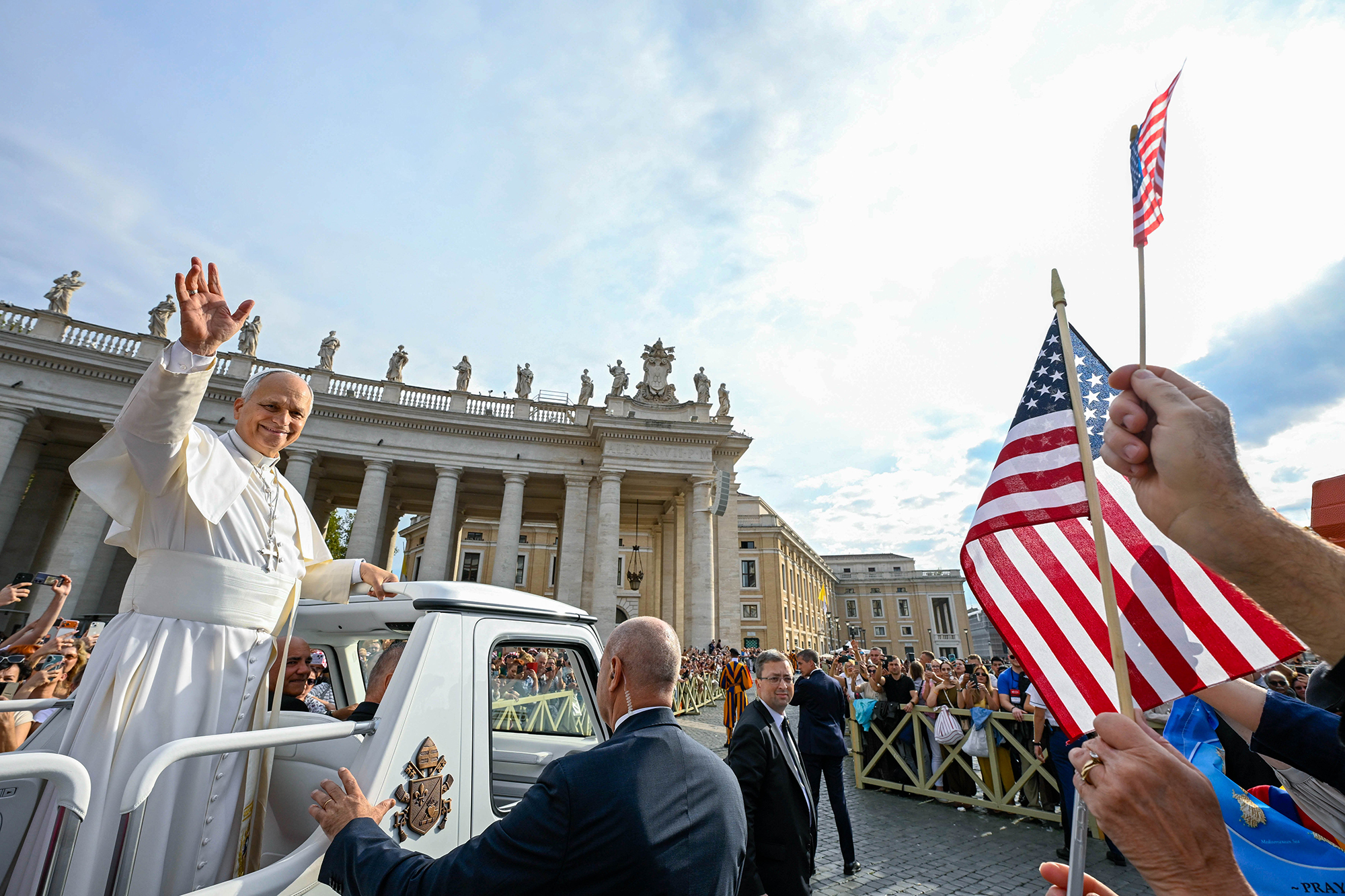
Similarly, the Catholic Church has a variety of ways for traditionally addressing its officials and ministers. Likely we are all aware of the address of the pope as “His Holiness” or “the Holy Father.” In daily life, we would be most familiar with addressing a priest as “Reverend,” but there is also a variety of other positions and titles that lies between those two ranks.
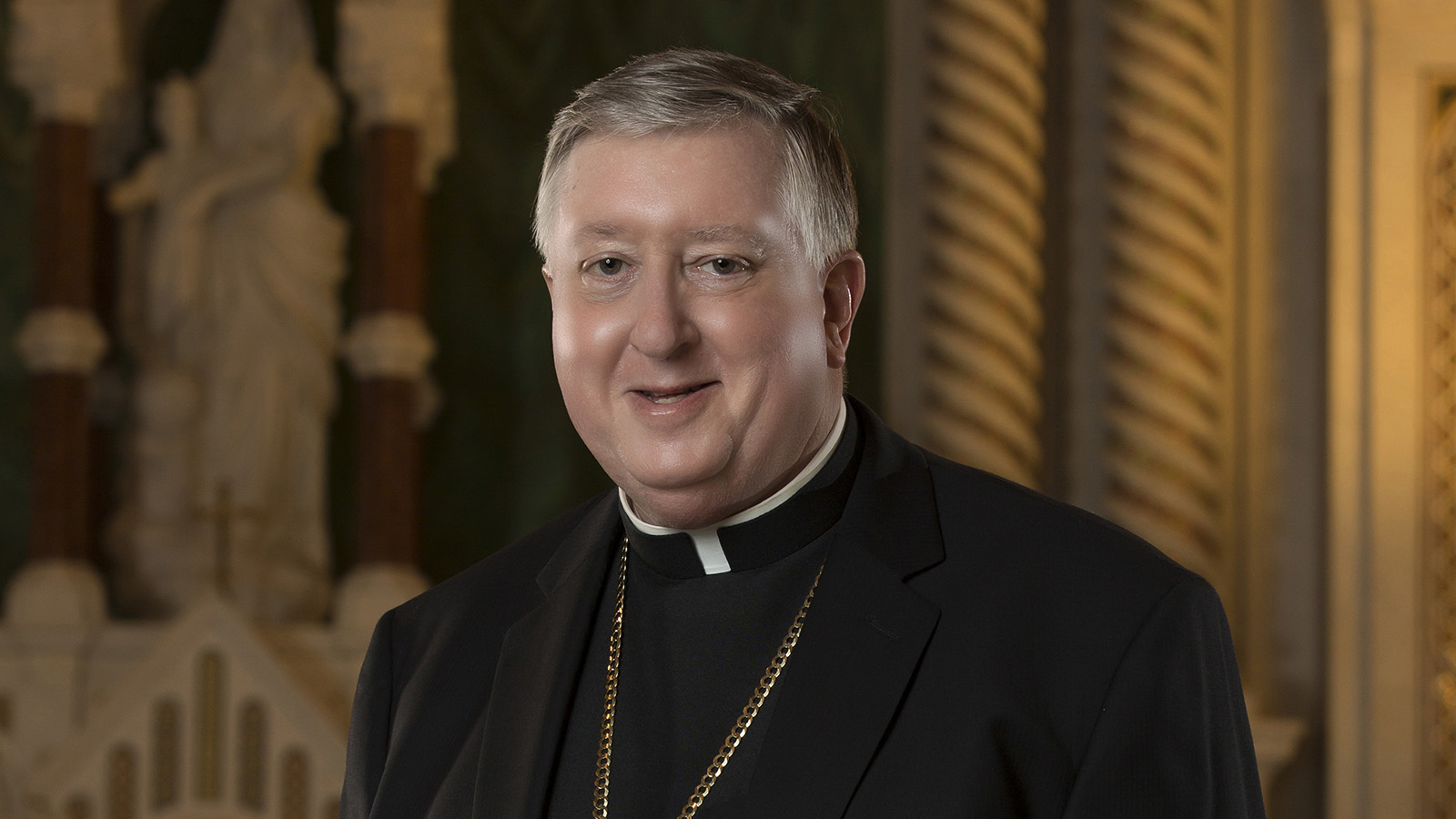
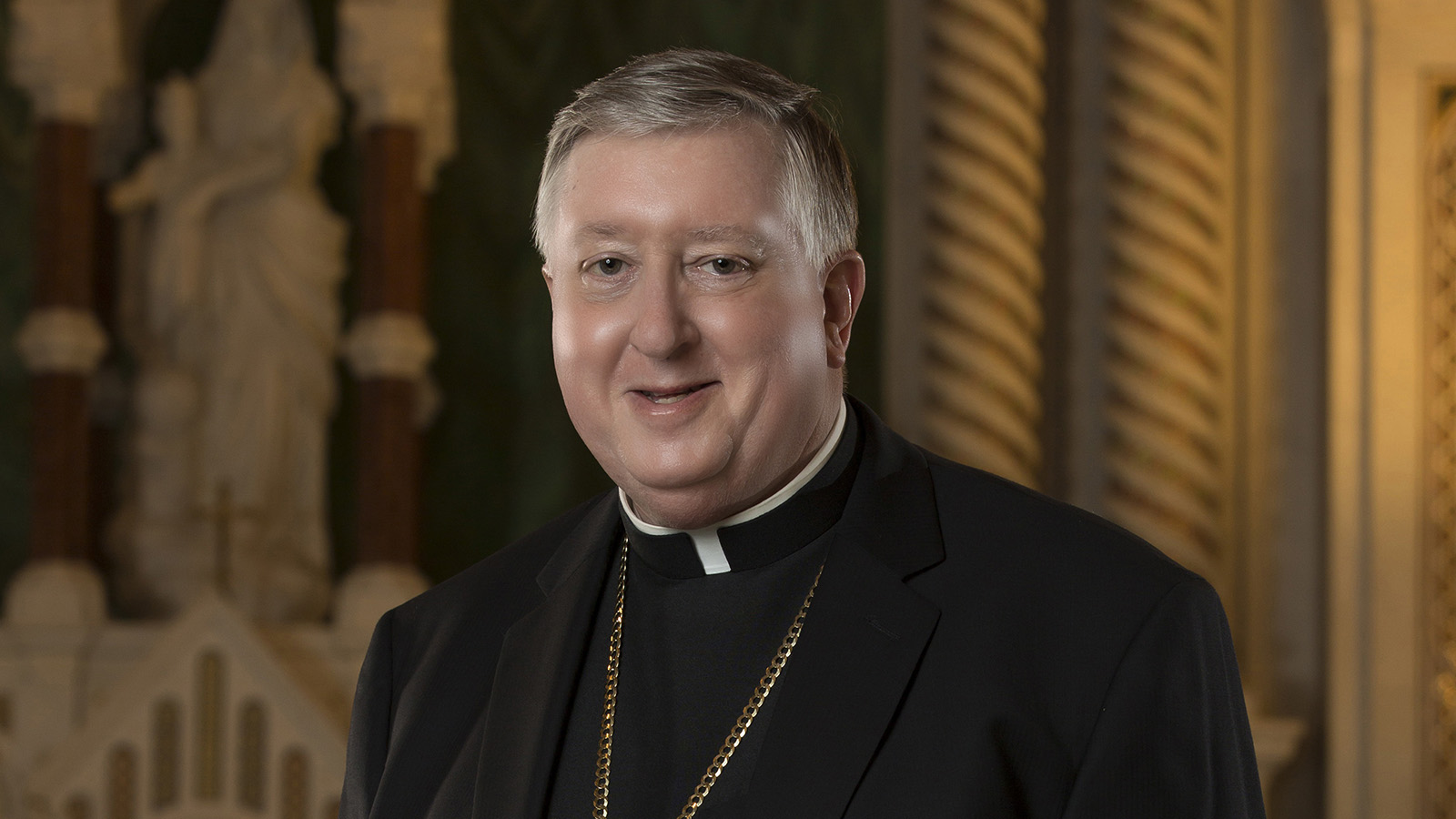
For example, bishops can be addressed by their title and name, but traditional forms of address are appropriate as well. In that case, there are two possibilities: In a letter they are referred to as “Most Reverend,” and in personal direct address they may be referred to as “Your Excellency” in America or “Your Grace” in Britain and many Commonwealth countries.
The address “Very Reverend” is a form of address given to priests who hold special positions of responsibility. That could include the vicar general of a diocese, who acts as the bishop’s chief of staff; the episcopal vicars, who are the bishop’s deputies for particular regions of a diocese; or a dean, elected by a subregion of priests (a “deanery”) as their representative/leader. For each of these, the title comes with the role, and when the priest completes his time serving in that role, he would return to being addressed by a simple “Reverend” again.
The title “Monsignor” is a little different in that way. It is not specific to a particular job, but is an honorary recognition (nominated by the bishop and approved by the pope) of the priest’s contributions to the ministry of the Church, like a modern knighthood would be. The title itself comes from the Italian for “my lord.” In 2013, Pope Francis decided that the title “Monsignor” would no longer be granted to priests under the age of 65, ensuring that it remained a kind of lifetime achievement recognition rather than a prize given to favored priests.
While we recognize the legitimate human good of respect and etiquette, Catholics must always guard against false pride and the search for honors. We do well to treat every priest with respect and to acknowledge the authority (and hard work) that are proper to his ministry, but we do not help them or ourselves by creating a two-tiered approach to being a disciple of Christ or a child of God.
Father Chris Schroeder is pastor of Christ the King Parish in University City and St. Joseph Parish in Clayton.