Performances of ‘I Will Live Until I Die’ to be held March 5-8 at COCA
As a performing artist and speaker who has traveled the world, ValLimar Jansen sometimes heard from others that she had a familiar presence — that of a religious sister on the path to sainthood, Servant of God Sister Thea Bowman.
Jansen entered the Church soon after Sister Thea died from cancer at the age of 52 in 1990. She didn’t yet know much about her. But after she kept hearing the same thing from people over and over, she took it as a sign to dive deeper into her life.
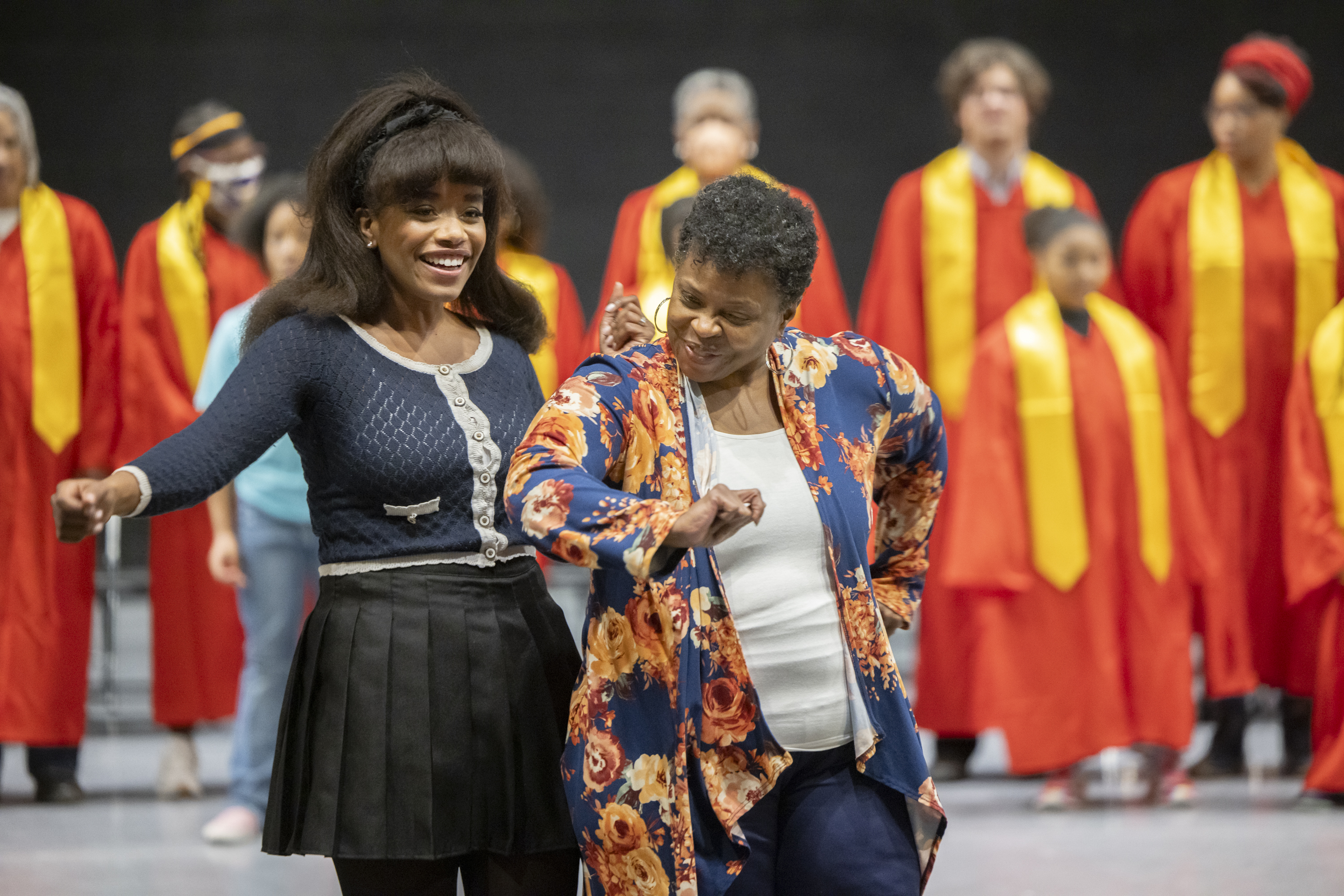
The result was “I Will Live Until I Die,” a musical on the life of the Franciscan Sister of Perpetual Adoration that Jansen will perform with others in March at COCA in University City.
Several years ago, Jansen developed a performance chronicling key moments from Sister Thea’s life, including her vocation as a religious sister and her work as an educator and intercultural consultant for the Diocese of Jackson, Mississippi. Seeking to broaden the reach of the production, Jansen was introduced through mutual friends to Maria Vargo of St. Louis-based G.K. Chesterton Entertainment, who supported her in expanding the script to more fully explore Sister Thea’s life and legacy.
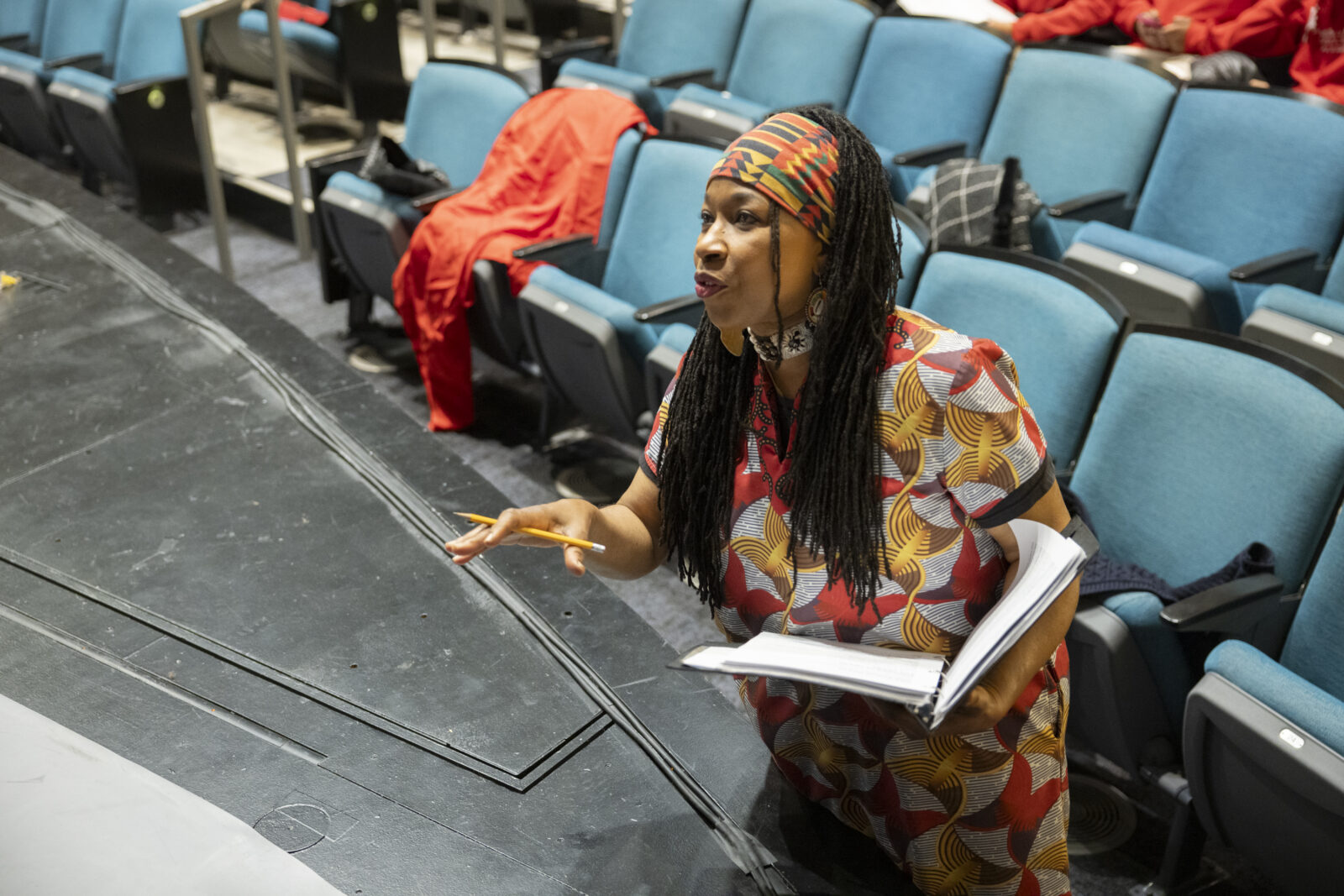
The musical follows Sister Thea from her childhood, through her conversion to Catholicism and ultimately to her entrance into the Wisconsin-based Franciscan Sisters of Perpetual Adoration — the order whose sisters taught her at Holy Child Jesus School in Canton, Mississippi.
“The central dramatic question that this show is answering is: What does it mean to be Black and Catholic?” Jansen said, referring to a question that Sister Thea posed in her address to the U.S. bishops in 1989.
Through the influence of the sisters and with her parents’ permission, Bertha Bowman (“Birdie,” as she was nicknamed as a child) converted to Catholicism at the age of 9. By her early teenage years, she knew she was being called to consecrated life.
Throughout her experience of entering the Church and joining a religious community where she was the only African-American sister, she maintained an optimistic outlook in an environment that was not friendly toward Black people or Catholics at the time, Jansen noted.
At her school, Sister Thea came to understand the sisters’ ministry as an expression of love.
“This is at a time where segregation was still in place, in the most repressive, the most segregated state in the union,” Jansen said. “It was this idea of being educated from a position of love. They’re educating me because they love me, and they’re treating me as a child of God. This was revolutionary at the time.”
Sister Thea later served as an educator (including as a co-founder of the Institute for Black Catholic Studies at Xavier University in New Orleans and with the Jackson Diocese’s Office of Intercultural Awareness) and an evangelist who traveled throughout the United States as a speaker, singer and advocate for the inclusion of African-American culture in the Church.
The musical also explores the racial undertones of her experiences within her religious order and beyond. Sister Thea often stressed that regardless of their color, people are connected by their human nature and that humanity and faith should always go hand in hand, Vargo said.
“It’s not about color — she said it’s about loving each other,” said Vargo, a member of St. Peter Claver Parish in St. Louis. “What you see pretty clearly in this show is the amount of racism that she faced. I hope it encourages people to take a deeper look into their own communities, their own lives, their mindsets. How do we choose to maybe make a change in our own lives? That’s how we can start, in our own families.”
“I Will Live Until I Die”
Performances will take place March 5-8 at COCA in University City. For performance times and to purchase tickets, visit gkce.org/theabowman.