Trial challenging legality of abortion laws in Missouri concludes; decision expected sometime this spring
Linda Raymond’s experience with an abortion nearly 50 years ago could have had a different outcome if she had been better informed, she said.
Raymond was one of several women who testified last month about their abortions at a trial in Jackson County, challenging the constitutionality of several dozen abortion laws in Missouri. Missouri’s Planned Parenthood affiliates and the ACLU of Missouri filed a lawsuit seeking to repeal regulations they say violate a constitutional amendment passed by voters in 2024.
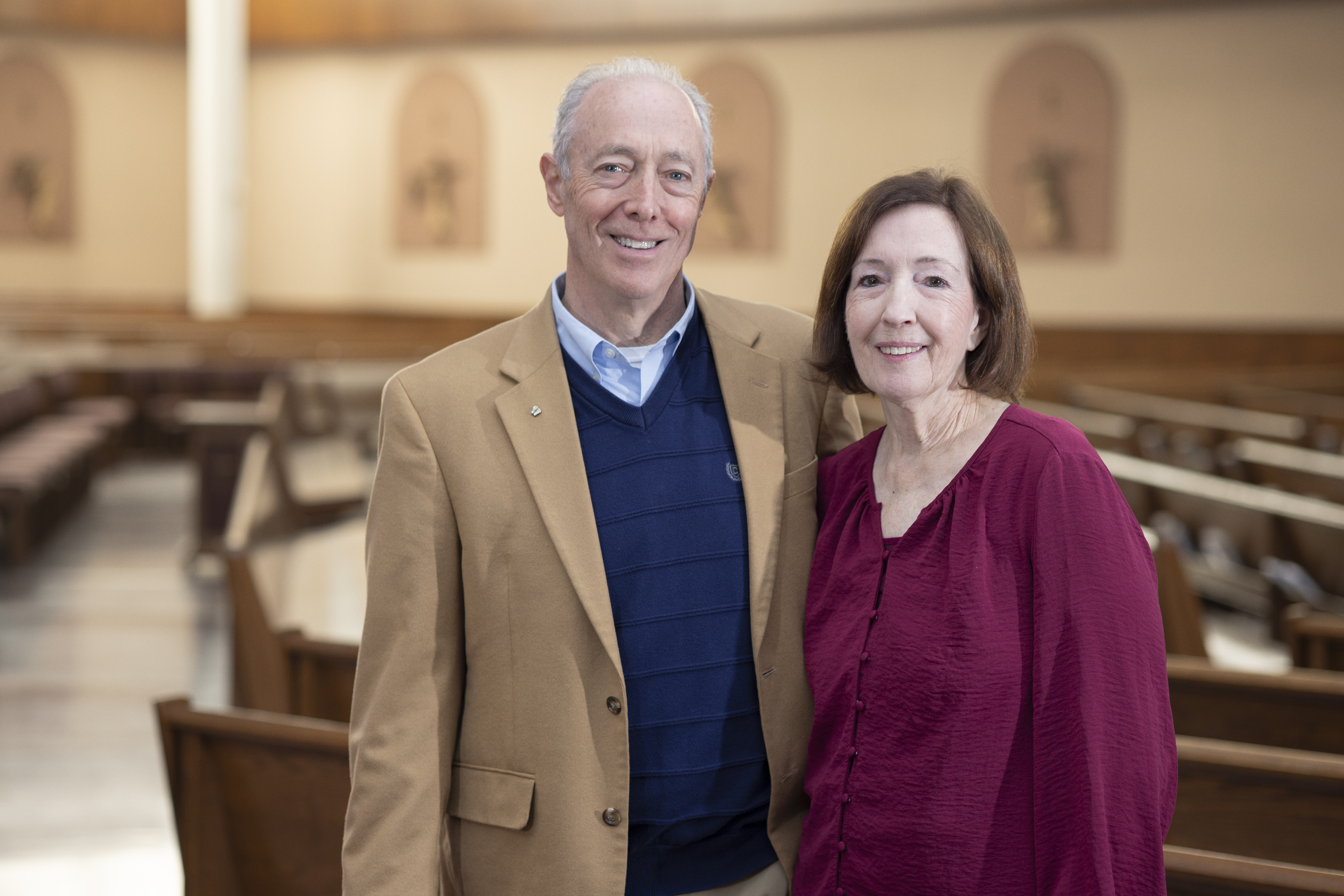
Linda and her husband, Chuck, experienced an abortion in 1976 when Chuck was a senior in high school and Linda was a freshman in college. Linda said she was coerced into having the abortion after facing pressure from her mother.
Raymond testified that the medical staff at the Planned Parenthood she went to didn’t inform her about the risks or potential complications of abortion, as well as the alternatives to abortion, including adoption or parenting.
“If we had had an ultrasound done at that point and saw that there’s a child in that womb, I would’ve realized that’s a separate human being,” she said. “I think that would have been one big thing that I would have pushed back against.”
One of the laws challenged during the trial is a requirement that patients receive a copy of Missouri’s informed consent booklet prior to an abortion. The 26-page booklet, offered through the Department of Health and Senior Services, includes a statement that women must be informed that “the life of each human being begins at conception. Abortion will terminate the life of a separate, unique, living human being.”
Raymond also said that there wasn’t a required waiting period like there is today.
“I took the pregnancy test there, and immediately they wanted to schedule the abortion,” she said. “It was, you need to have this done, because you can get back to your normal life quicker.”
Missouri’s 72-hour waiting period is among other laws being challenged, along with a requirement that only physicians provide abortions, a ban on prescribing medication abortion via telehealth, facility licensing requirements, admitting privileges and a written transfer agreement at a nearby hospital and a state-approved complication plan for medication abortions.
The trial concluded in late January; however, Jackson County Circuit Judge Jerri Zhang gave both parties until April 10 to file post-trial briefs. The outcome is expected to determine the legality of those laws before Missourians head to the polls later this year to vote on a new proposed amendment that would ban most abortions.
The newly proposed Amendment 3 would limit most abortions except for cases of rape and incest (up to 12 weeks of gestation), emergencies and fetal anomalies. It would also repeal a 2024 voter-approved amendment, which allows for abortions through fetal viability, but also offers a broad exception for the “life and physical or mental health of the pregnant person.”
If approved by voters, Amendment 3 would reinstate health and safety inspections at abortion facilities, require parental consent for minors receiving medical procedures, require physicians performing abortions to have nearby hospital admitting privileges, ensure access to care for medical emergencies, ectopic pregnancies and miscarriages and provide medical malpractice protections.
The new ballot question also would amend the constitution to ban gender transition surgeries and prescribing medications for gender transition, including puberty blockers, for children younger than 18.
Abortions in Missouri
A little over a year after Missourians voted to enshrine abortion rights into the state constitution, very few abortions have taken place in the state. According to data from the Missouri Department of Health and Senior Services, there were 80 in-clinic abortions in Missouri at Planned Parenthood clinics in Kansas City, Columbia and St. Louis between January and October.
Meanwhile, the majority of Missouri women continue to seek abortions in other states. An estimated 7,880 Missourians traveled to Illinois and 3,960 traveled to Kansas to obtain an abortion in 2024, according to the Guttmacher Institute.
Even with few abortions being performed in Missouri, it’s important that the campaign in support of Amendment 3 includes stories from women who have been harmed by abortion to demonstrate the importance of these regulations focused on the health and safety of the mother and unborn child, said Jamie Morris, executive director of the Missouri Catholic Conference.
In a climate that has not been hospitable to the pro-life message, he said, “we still only lost (the 2024 ballot measure) by less than 2 percent. It gives me hope (that) in a climate not favorable to our side and that we were outspent that we still almost pulled off a victory.” This year’s ballot initiative, he added, “is more in line with the average Missourian who doesn’t think strongly about abortion one way or another.”
As the court weighs the legality of decades of abortion regulations, longtime lobbyist Deacon Sam Lee echoed the sentiment that hearing how abortion has harmed women will underscore the necessity for these laws.
“These stories and testimonies are important so voters have understanding that it protects women if they have an abortion,” he said. While Amendment 3 doesn’t include a full ban, “we won’t have unrestricted abortions and will have protections for women if they do have an abortion.”
Mary Browning, an attorney with the Justice Foundation who represented the women who testified at the trial, said the many post-abortive women she has worked with over the years through Operation Outcry tell their stories because they feel it could help those who haven’t yet realized the impact of their own abortions.
“There are a lot of women and some men suffering in silence and they don’t connect the dots of their experiences and relate it back to the abortion that happened,” she said. “It’s important for others to hear those stories so they can recognize themselves … there is abortion recovery and healing.”