Something clicked into place in Eli Wheeler’s spiritual life halfway through Advent.
Daily prayer felt effortless. He engaged in conversation with God throughout the day. The ascetic practices of Exodus 90, a men’s spiritual program, felt lighter.
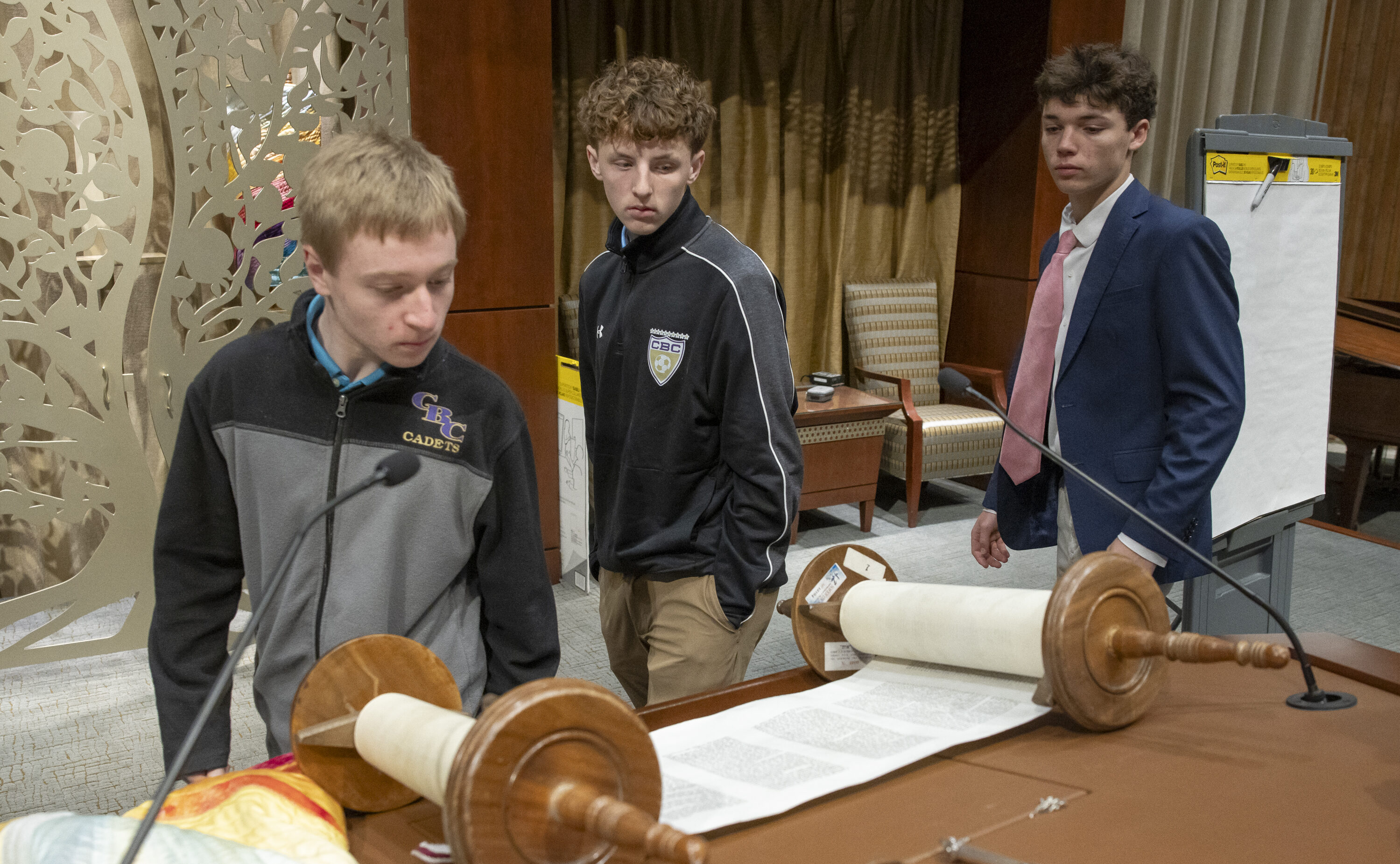
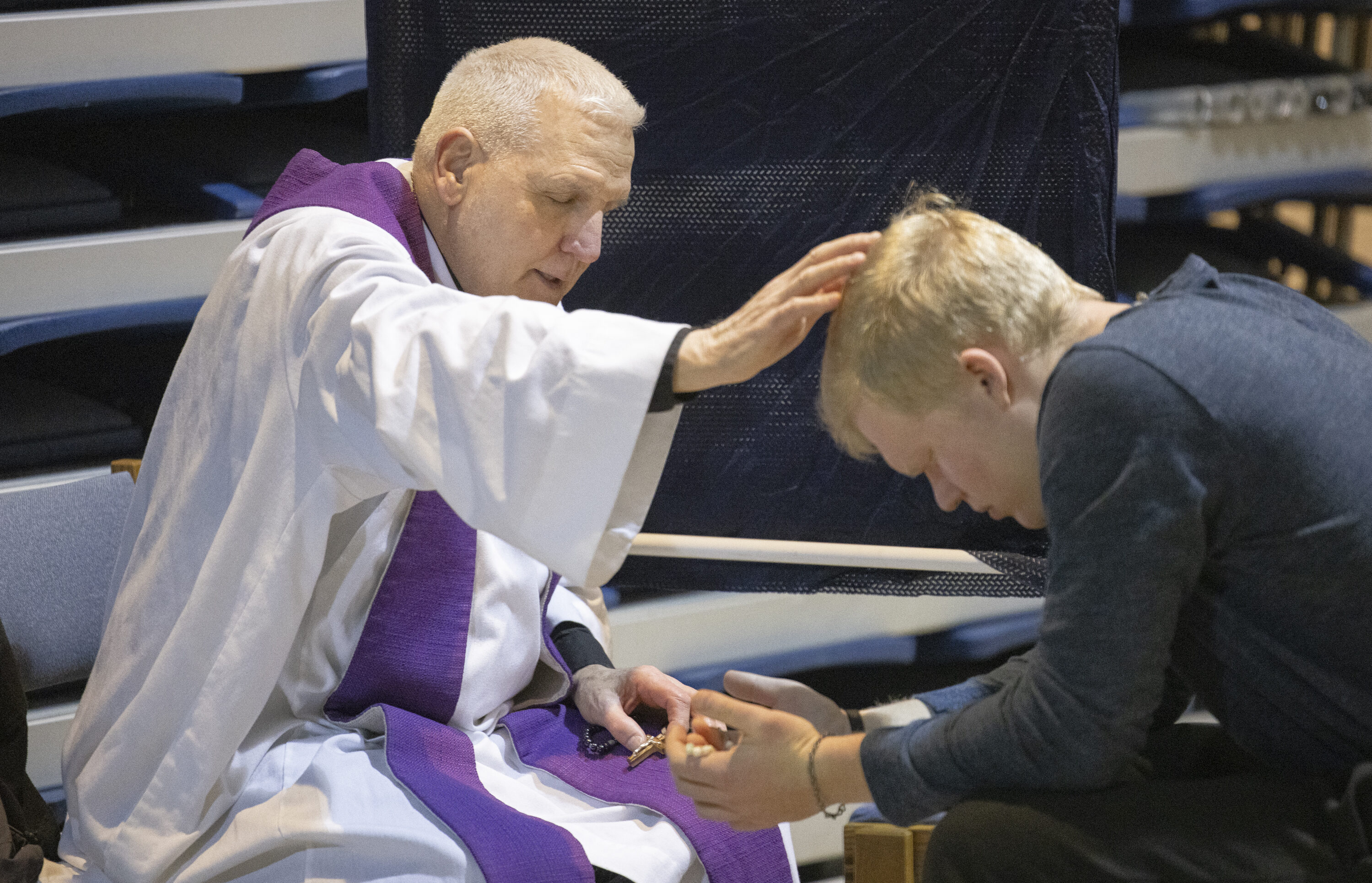
In February, Wheeler attended the Catholic Men for Christ Conference in St. Louis and took advantage of the opportunity to receive the sacrament of reconciliation.
In the following days, he felt that same “click” in his prayer life he had experienced during Advent. Then he realized: that had immediately followed reconciliation, too.
Wheeler came back to the faith a year and a half ago after falling away for several years. His first confession after returning was “super freeing,” he said, but he’s also come to appreciate the real grace that comes from receiving the sacrament on a regular basis.
“We know that’s actually God telling us that our sins have been absolved. Hearing that is very powerful because we know it to be true,” he said. “When you go and say your prayers that you have for your penance and just think on the fact that we don’t necessarily deserve the sacrament of confession, but God is a good God, and He’s loving, and He offers it to us — I think that’s just super powerful.”
Grace for daily conversion
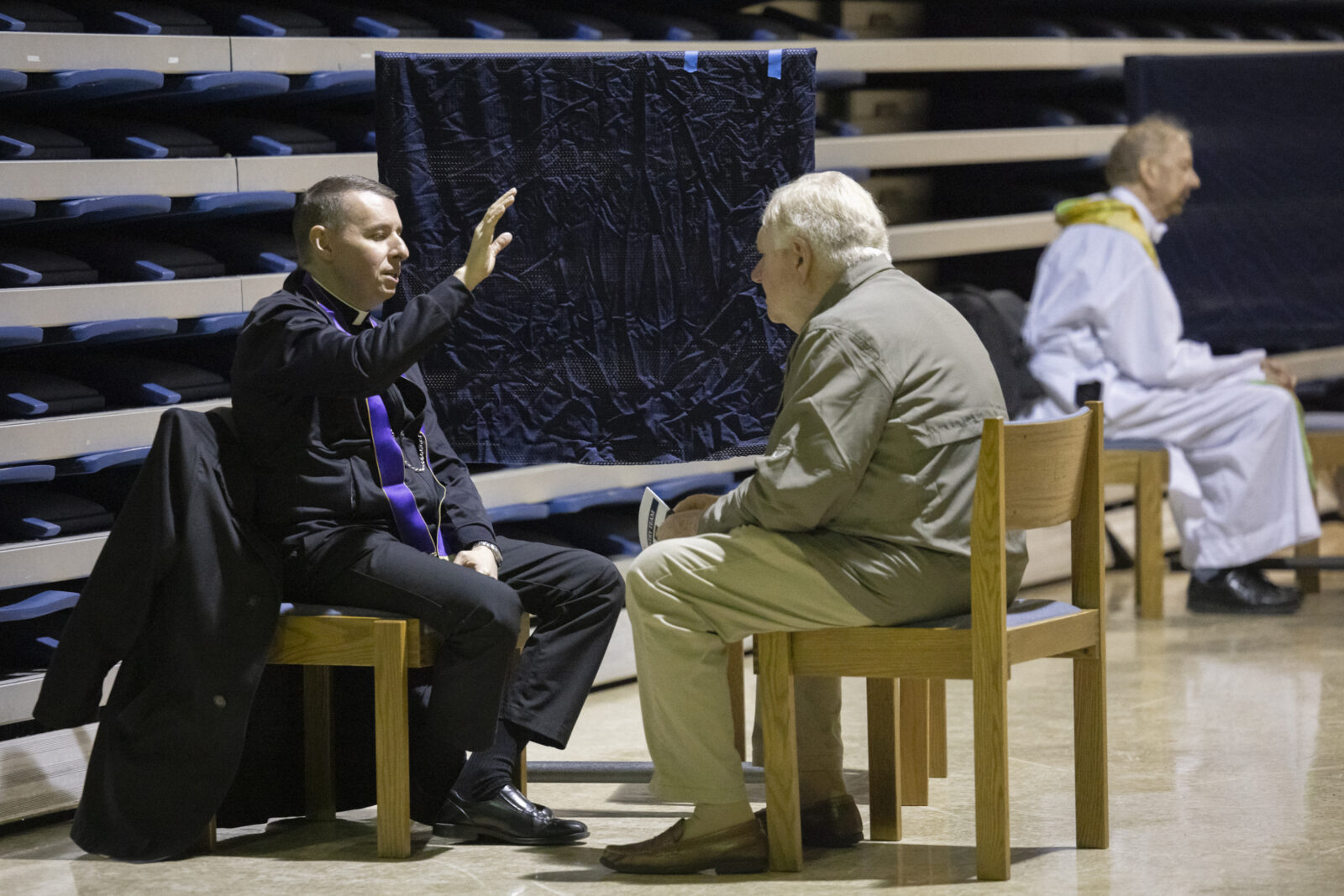
The sacrament of reconciliation is a gift from God to help us return to right relationship after our sins wound our relationship with God, our own human dignity and the spiritual well-being of the Church, the Catechism of the Catholic Church says.
“Sin is before all else an offense against God, a rupture of communion with Him. At the same time it damages communion with the Church. For this reason conversion entails both God’s forgiveness and reconciliation with the Church, which are expressed and accomplished liturgically by the sacrament of Penance and Reconciliation” (CCC 1440).
The sacrament comprises two equally essential elements: “the acts of the man who undergoes conversion through the action of the Holy Spirit, namely, contrition, confession and satisfaction,” and “God’s action through the intervention of the Church, who through the bishop and his priests forgive sins in the name of Jesus Christ and determines the manner of satisfaction, also prays for the sinner and does penance with him.” (CCC 1448)
One of the biggest misconceptions about the sacrament of reconciliation is the belief that you only need to seek the sacrament if you have committed serious mortal sins, said Arielle Harms, assistant professor and director of the master’s program in sacred theology at the Augustine Institute.
“The sacrament of confession is a sign of the entire Christian life, showing our need for daily conversion, our need for daily turning away from sin,” she said. “It helps effect what it signifies: It helps us turn away from even the smaller sins we commit, and it puts us on the path of overcoming any large or small patterns of sin we have in our lives.”
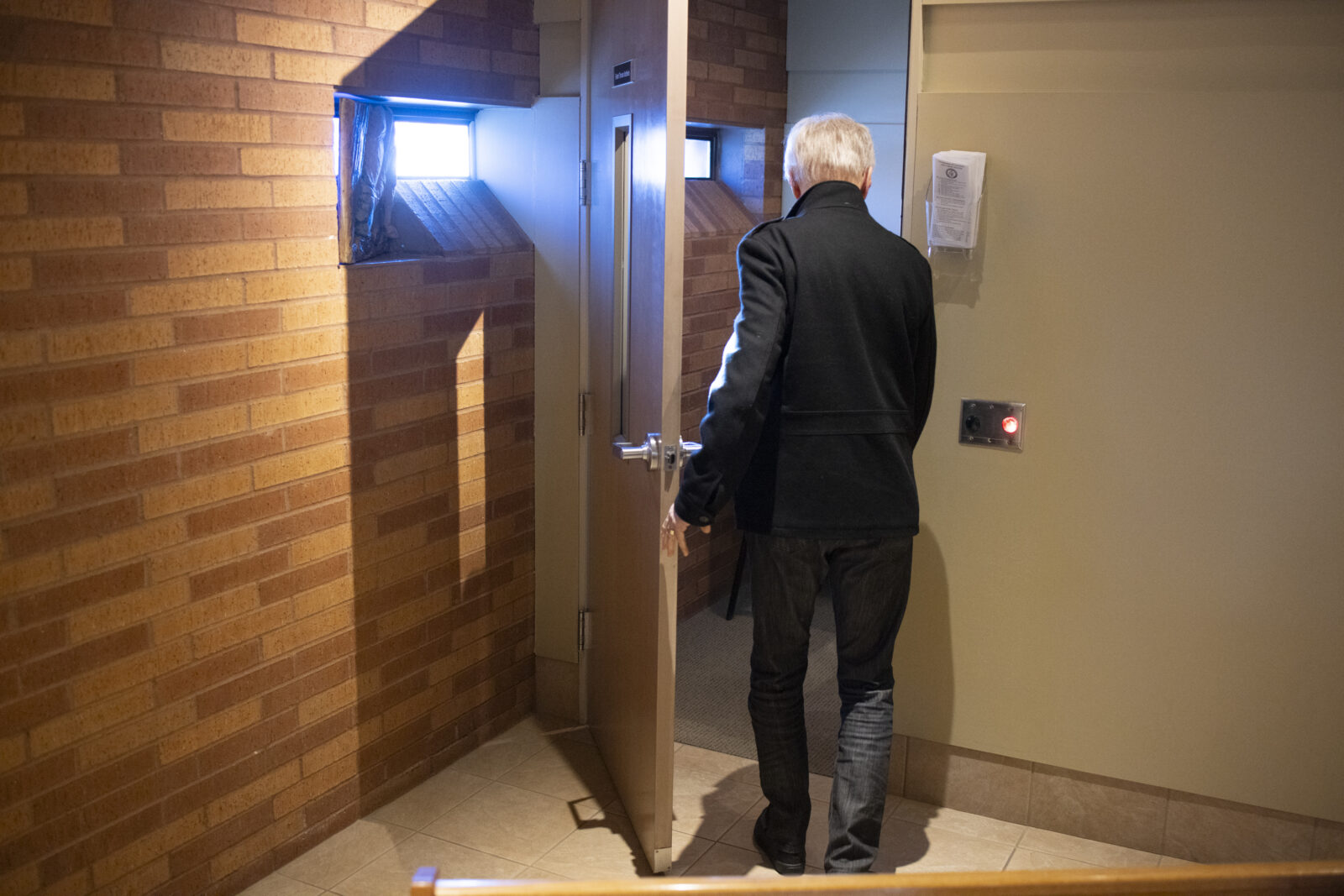
That happens in a couple of ways, she said. Examining our conscience helps us become aware of our personal tendencies of sin and what things are keeping us from Christ, and awareness is the first step to change. Then, the grace of the sacrament puts us back in right relationship with God and helps to strengthen us when we face temptation, she said.
Penance, or “satisfaction,” is assigned by the priest to make reparation for our sins. It might seem like a few rote prayers aren’t sufficient to make up for our sins — and it’s not.
“But because of the grace of Christ, my small satisfaction is united to His satisfaction, and I’m able to make more progress,” Harms said. “My satisfaction is also united to the satisfaction of the Church.”
Reconciliation is a sacrament of healing, she noted.
“When we’re in a state of mortal sin, and we go to confession and confess those sins, our relationship with God is healed. Because mortal sin cuts us off from God, and that relationship isn’t something we can heal on our own. We need the sacrament,” she said. “…But the other healing is just that healing of turning away from smaller sins, and it’s taking away, through our penance and the grace of the sacrament, the temporal punishment due to sin, so it’s healing us from the suffering that we might have to experience in this life or in purgatory.”
Father Tom Vordtriede sees that healing in the confessional every day.
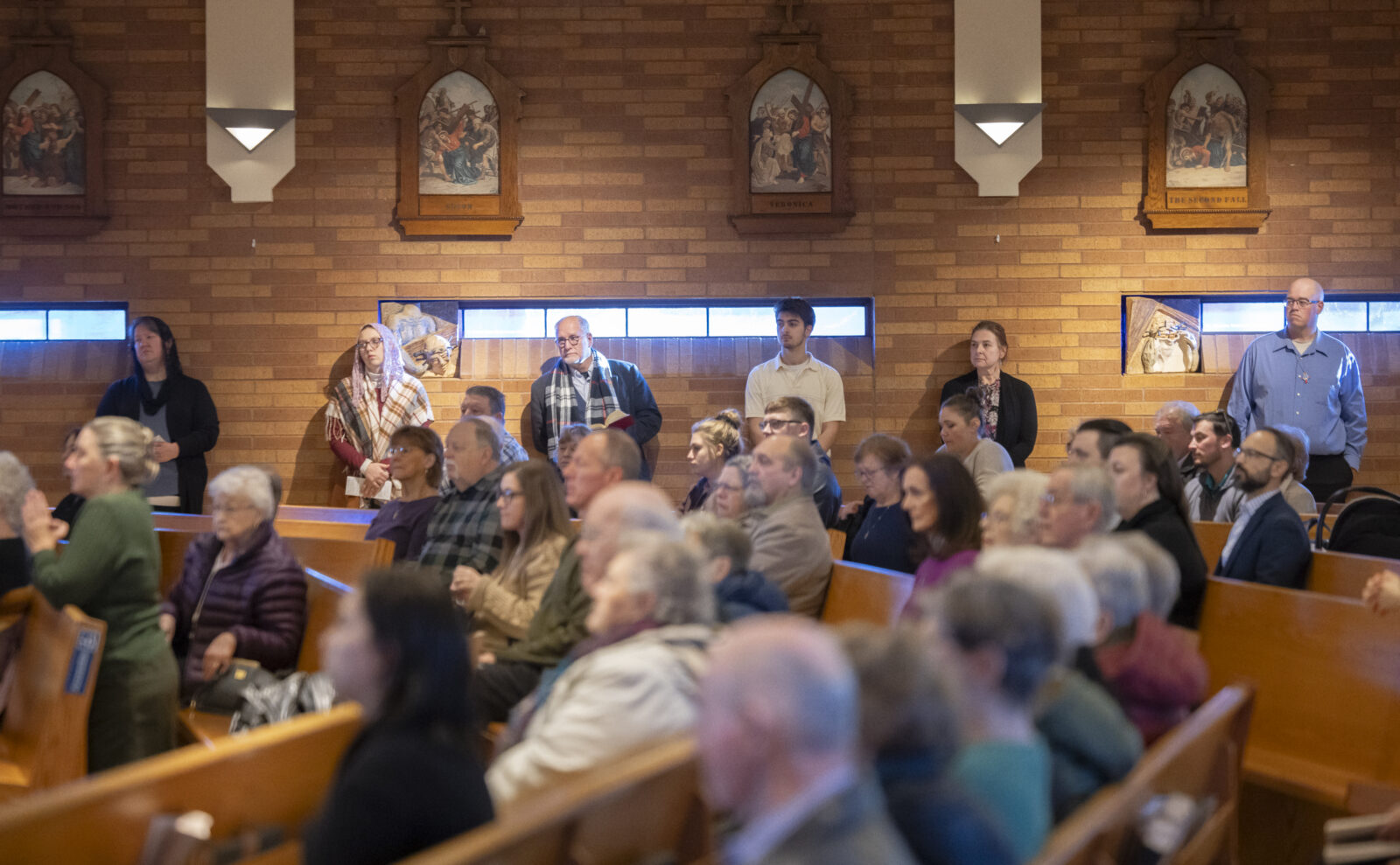
Father Vordtriede and Father Stephen Schumacher hear confessions at St. Elizabeth Ann Seton Parish in St. Charles every day of the week: on weekdays, for half an hour after the 6:15 a.m. Mass and half an hour before the 8:15 a.m. Mass; on weekends, before the Saturday morning and vigil Masses and between Sunday morning Mass times.
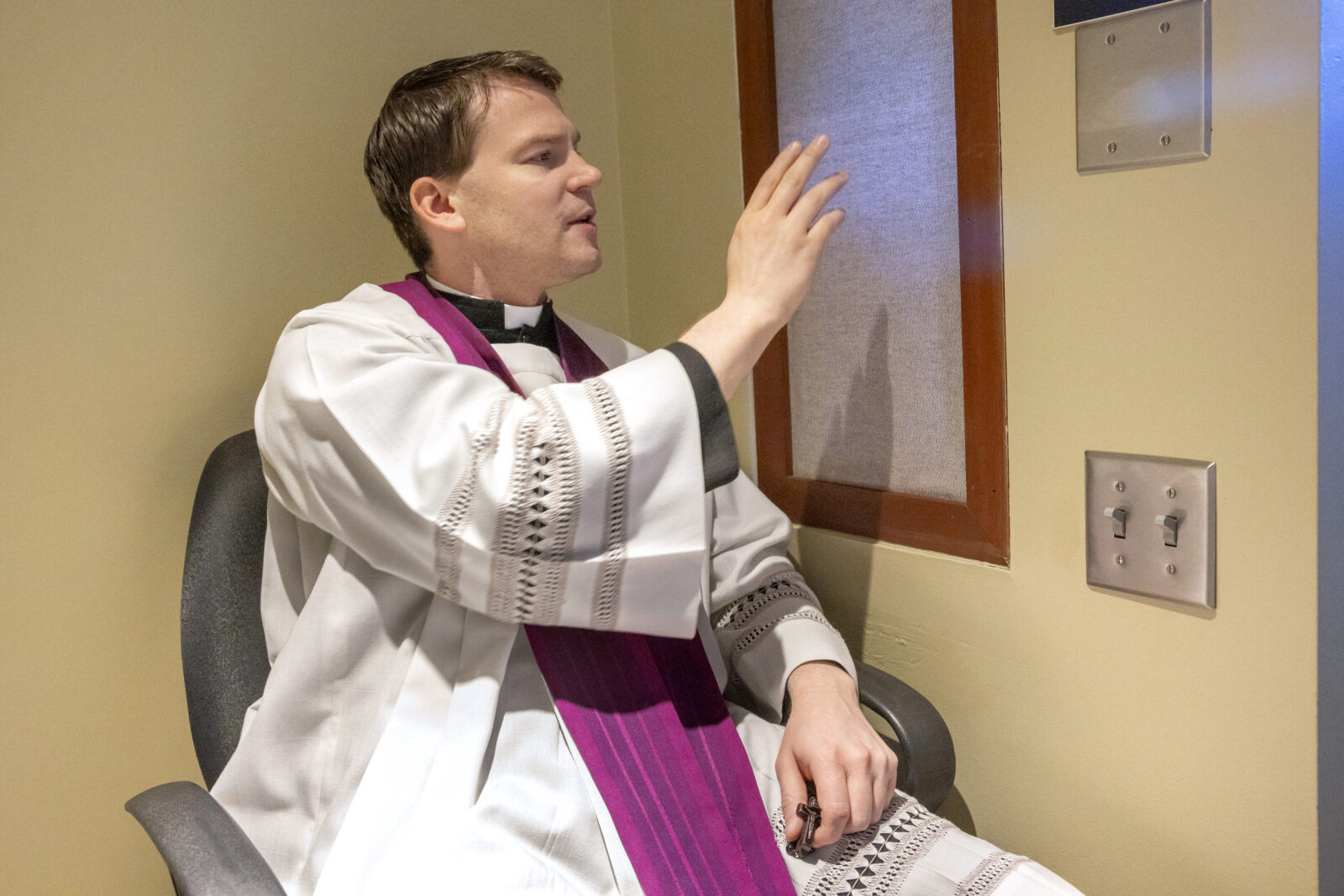
Making the sacrament available daily helps bring in people who haven’t been to reconciliation in quite a long time and others who receive the sacrament regularly but have begun to do so more often, he said. “When it’s every day, and it’s around Mass times when people are just there anyway — it’s not like people have to plan, oh, I better figure out when I’m going — it’s just there.”
There have been times when somebody expresses that they are really struggling with something, and Father Vordtriede offers to meet with them outside of the confessional, too. “So it even leads to walking a journey with someone more intentionally,” he said.
Amid all the duties of a pastor, making time to offer reconciliation is a part of the priesthood he really enjoys, he said.
“Bringing God’s mercy to people is something that you’re willing to joyfully work harder for, because it’s actually life-giving to ease those burdens on people’s shoulders,” he said. “And whenever I’m hearing confessions, I’m not so much judging, ‘Oh my gosh, what a bad sin, or what a bad person.’ If I notice anything, it’s just, ‘Wow, what a gift that this person is able to have Jesus take that away.’ And it’s inspiring. I walk out of the confessional inspired most all the time.”
The parish tries to make the sacrament “user-friendly,” he said, offering pamphlets with an examination of conscience outside the confessionals and a copy of the act of contrition inside. If someone doesn’t remember how confession usually flows, or it’s been a long time since they’ve been, priests are always happy to help them through the sacrament.
“When someone says it’s been 30 years since my last confession, I get excited,” he said. “It’s not like I think ‘oh my gosh, how dare you’ — it’s just excitement and an appreciation for the goodness of God and how the Holy Spirit’s been working to bring them to that confessional on that day at that moment. You just feel privileged to be a part of whatever God’s doing in the greater picture.”
Matter and form of reconciliation
Matter: The penitent’s sins, as well as contrition, confession and penance.
Form: The words of absolution. “God, the Father of mercies, through the Death and Resurrection of His Son, has reconciled the world to Himself and poured out the Holy Spirit for the forgiveness of sins; through the ministry of the Church, may God grant you pardon and peace. And I absolve you from your sins, in the name of the Father, and of the Son, and of the Holy Spirit.”
Go to confession
The Church requires that each person who has reached the age of reason and made their first reconciliation receive the sacrament once a year if they are conscious of a mortal sin. Anyone who is aware of committing a mortal sin should refrain from holy Communion until receiving absolution through reconciliation.
The faithful are encouraged to receive the Lord’s mercy more often, though. “The regular confession of our venial sins helps us form our conscience, fight against evil tendencies, let ourselves be healed by Christ and progress in the life of the Spirit. By receiving more frequently through this sacrament the gift of the Father’s mercy, we are spurred to be merciful as He is merciful” (CCC 1458).
Find reconciliation times at parishes throughout the Archdiocese of St. Louis: archstl.org/join-us/mass-times
It’s helpful to make an examination of conscience to review the sins you’ve committed since the last time you received the sacrament. For several examination of conscience guides, visit: stlreview.com/4skskxR