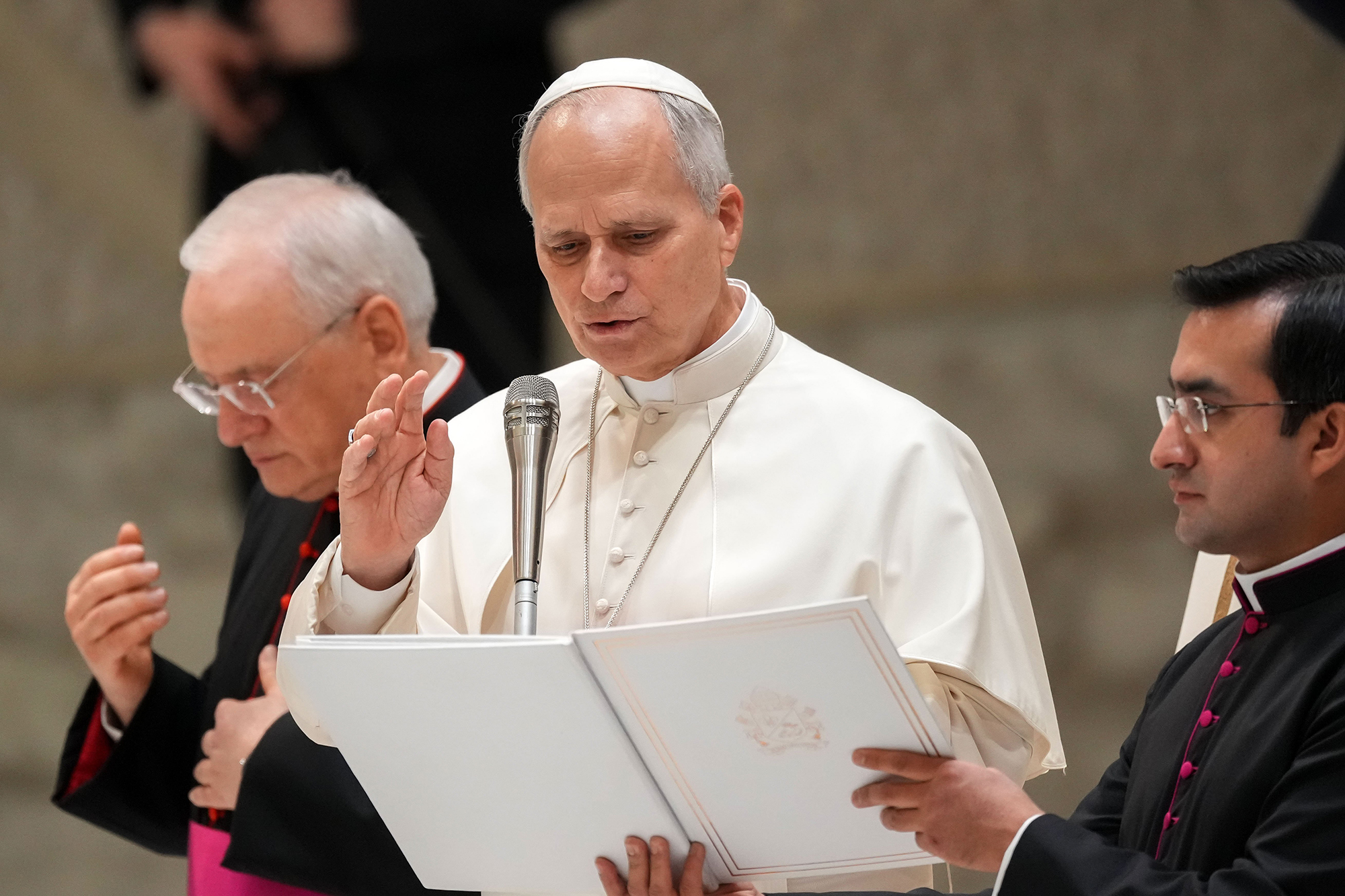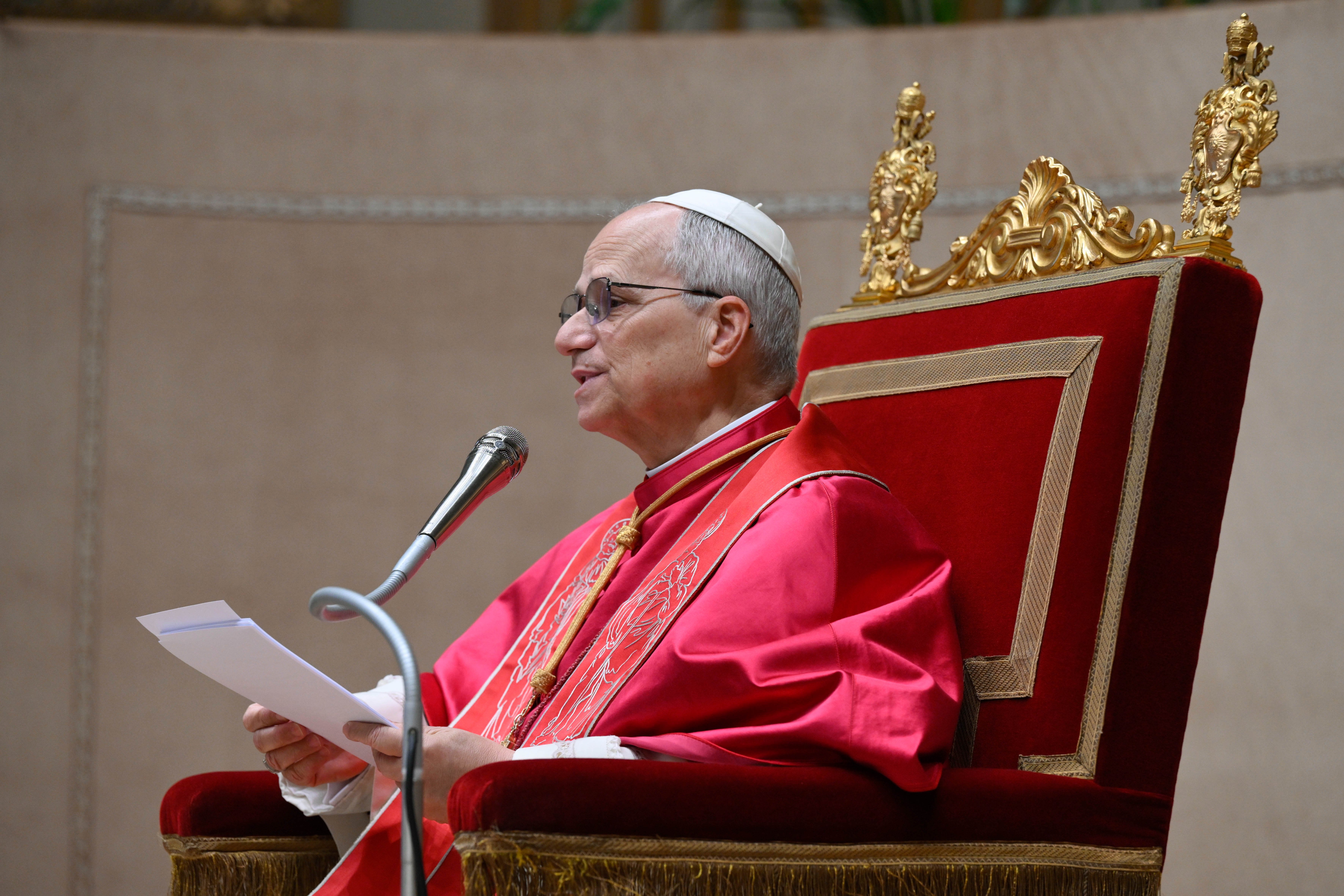
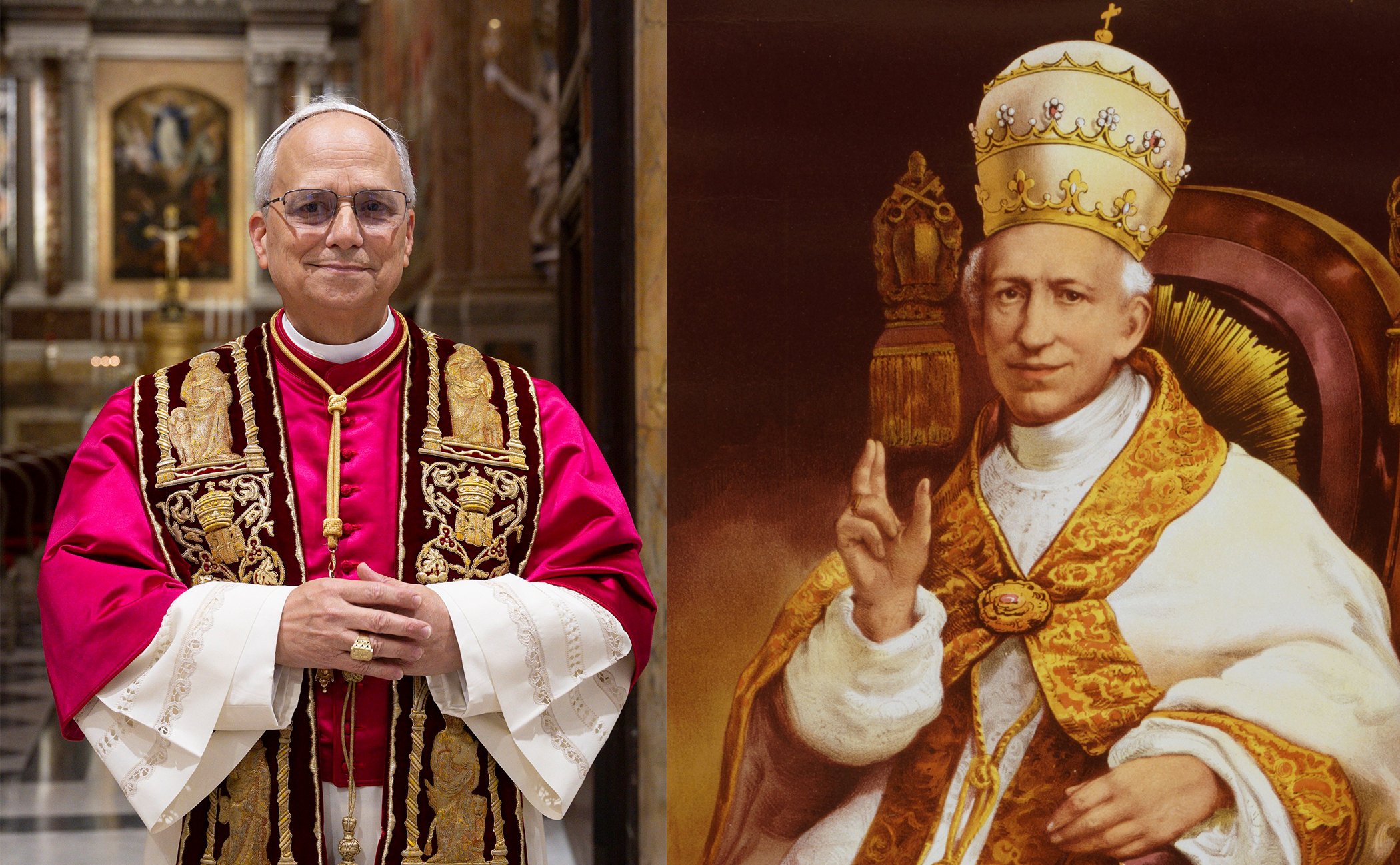
VATICAN CITY — Pope Leo XIV, who plays the daily online puzzle Wordle, is not the only papal puzzle lover.
His predecessor and namesake, Pope Leo XIII, was also passionate about wordplay, anonymously publishing riddles in Latin.
Going by the pseudonym “X,” the Italian-born Pope Leo used to craft poetic puzzles for a Roman periodical at the turn of the 19th century.
The modern-day Pope Leo from Chicago, however, is a fan of the New York Times’ popular online word game in which players get six chances to guess a five-letter word.
During a live link-up with thousands of young people taking part in the National Catholic Youth Conference in Indianapolis and millions more online on Nov. 21, Pope Leo was asked about his gaming strategy, and he shared it.
“I use a different word for Wordle every day. So there is no set starting word in case you’re wondering,” he said, laughing. His older brother, John Prevost, has said the two of them also play the multiplayer game Words with Friends online regularly and compare scores.
So while Pope Leo XIV likes to play word games, his 19th-century predecessor liked to create them.
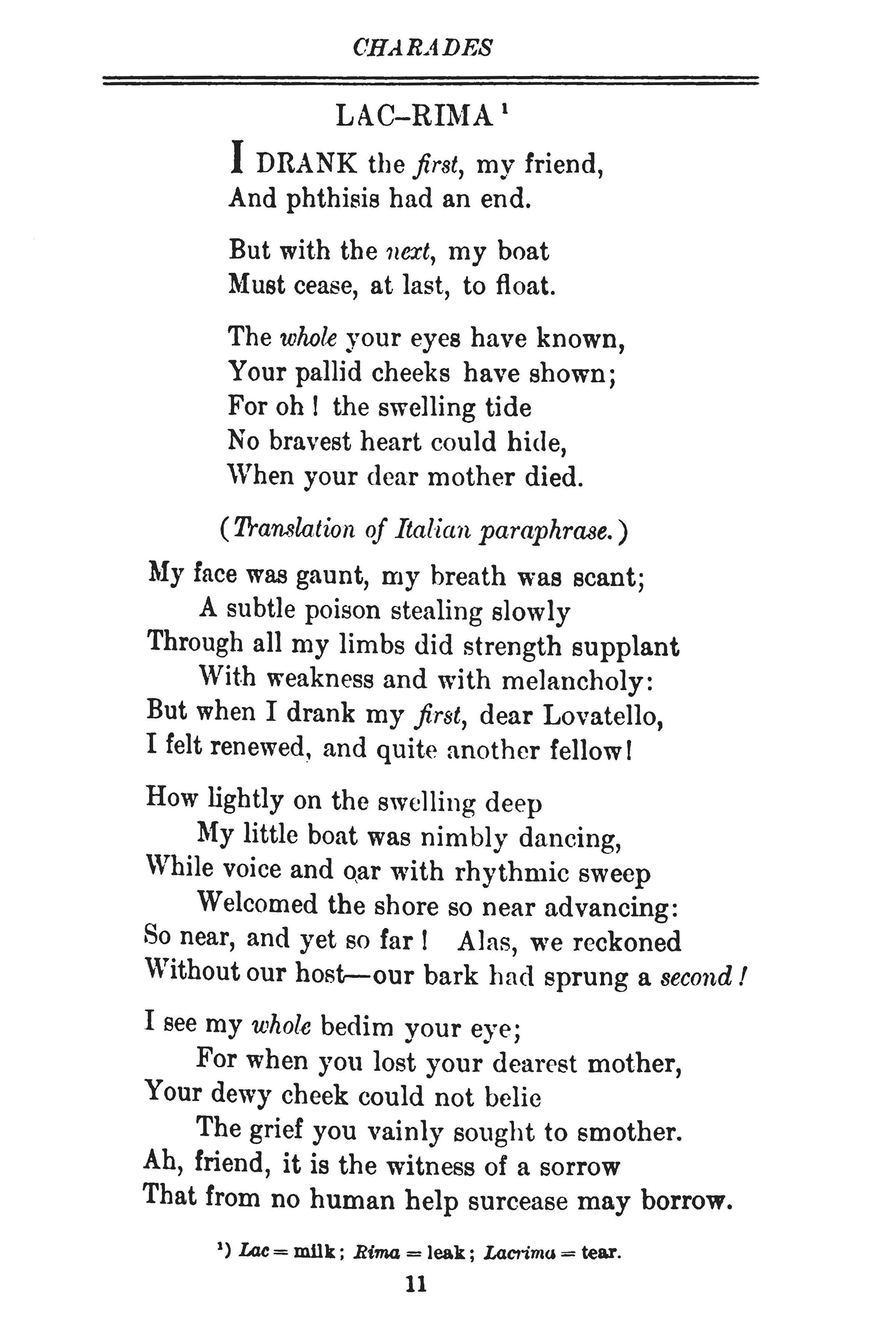
Pope Leo XIII, who died in 1903, created lengthy riddles, known as “charades,” in Latin in which readers had to guess a rebus-like answer from two or more words that together formed the syllables of a new word.
Eight of his puzzles were published anonymously in “Vox Urbis,” a Rome newspaper that was printed entirely in Latin between 1898 and 1913. The Vatican newspaper, L’Osservatore Romano, published an article about this historical detail in 2014.
According to the article, any “Vox Urbis” reader who submitted the correct answer to the riddle received a book of Latin poetry written by either Pope Leo or another noted Catholic figure.
The identity of the mysterious riddle-maker, however, was eventually revealed by a French reporter covering the Vatican for the daily newspaper Le Figaro.
Felix Ziegler published his scoop Jan. 9, 1899, a year after the puzzles started appearing, revealing that “Mr. X” was, in fact, the reigning pope, the Vatican newspaper said.
In the pope’s hometown, Carpineto Romano, which is about 35 miles southeast of Rome, students at the middle school named for him published 26 of the pope’s Latin puzzles in a book titled, “Aenigmata: The Charades of Pope Leo XIII.” It includes puzzles that teachers and pupils found, but which had never been published before.
One example of the pope’s Latin riddles talked of a “little boat nimbly dancing,” which sprang a leak as it “welcomed the shore so near advancing.”
“The whole your eyes have known, your pallid cheeks have shown; for oh! the swelling tide no bravest heart could hide, when your dear mother died,” continues the translation of part of the riddle-poem.
The answer, “lacrima,” (“teardrop”) merges clues elsewhere in the poem for “lac” (“milk”) and “rima” (“leak” or “fissure”).