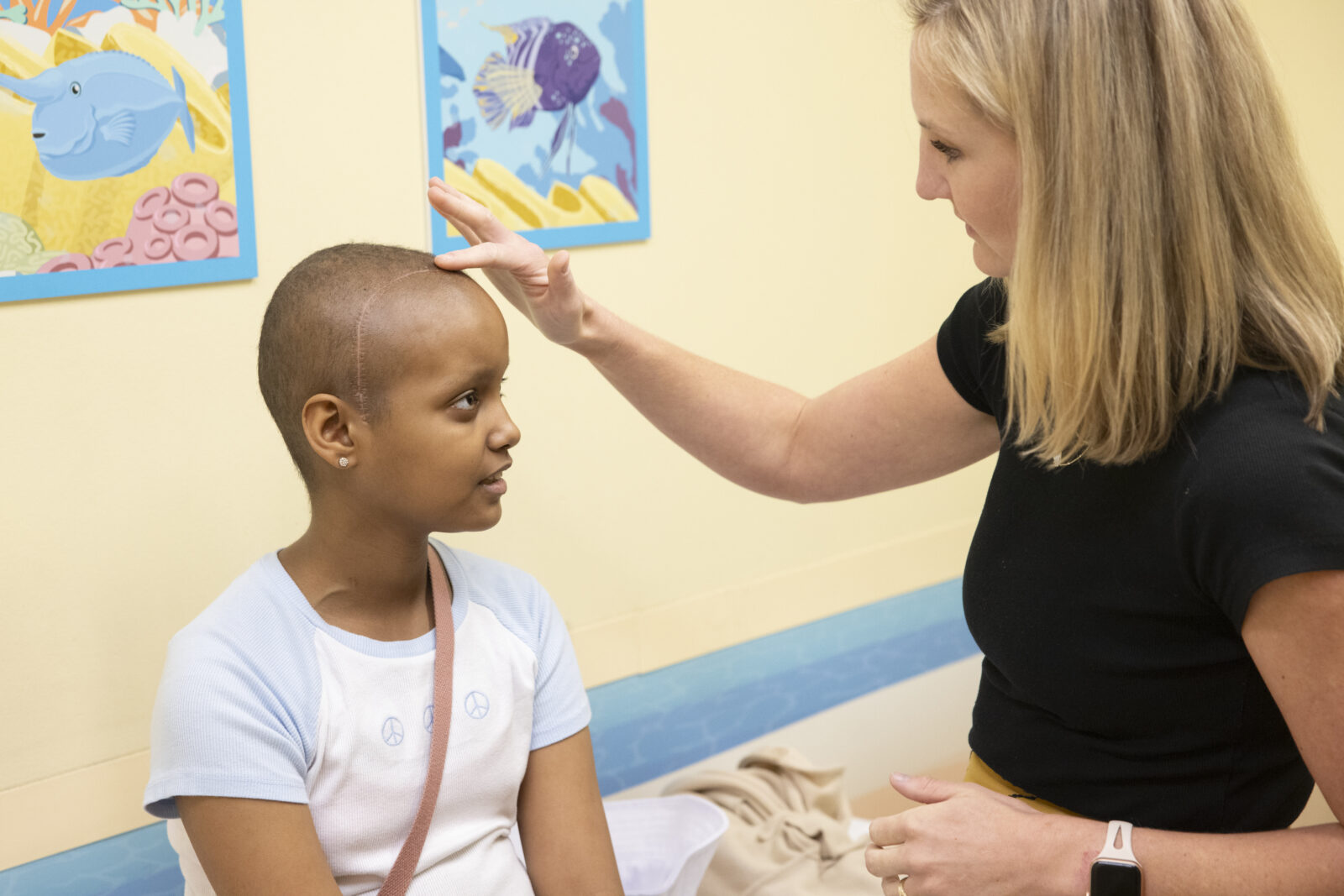
Cardinal Glennon pediatric oncologist brings experience, faith to her care
After finishing her freshman year as a pre-med student at Rhodes College, Dr. Maggie Cupit-Link expected to start a summer research position at St. Jude Children’s Hospital in Memphis.
But not long before, she was diagnosed with Ewing sarcoma, a form of bone cancer that primarily affects children and young adults, and she had to adjust her plans.
“I ended up literally walking into the doors of St. Jude as a patient on the same week that I would have started my job as a researcher there,” she said.
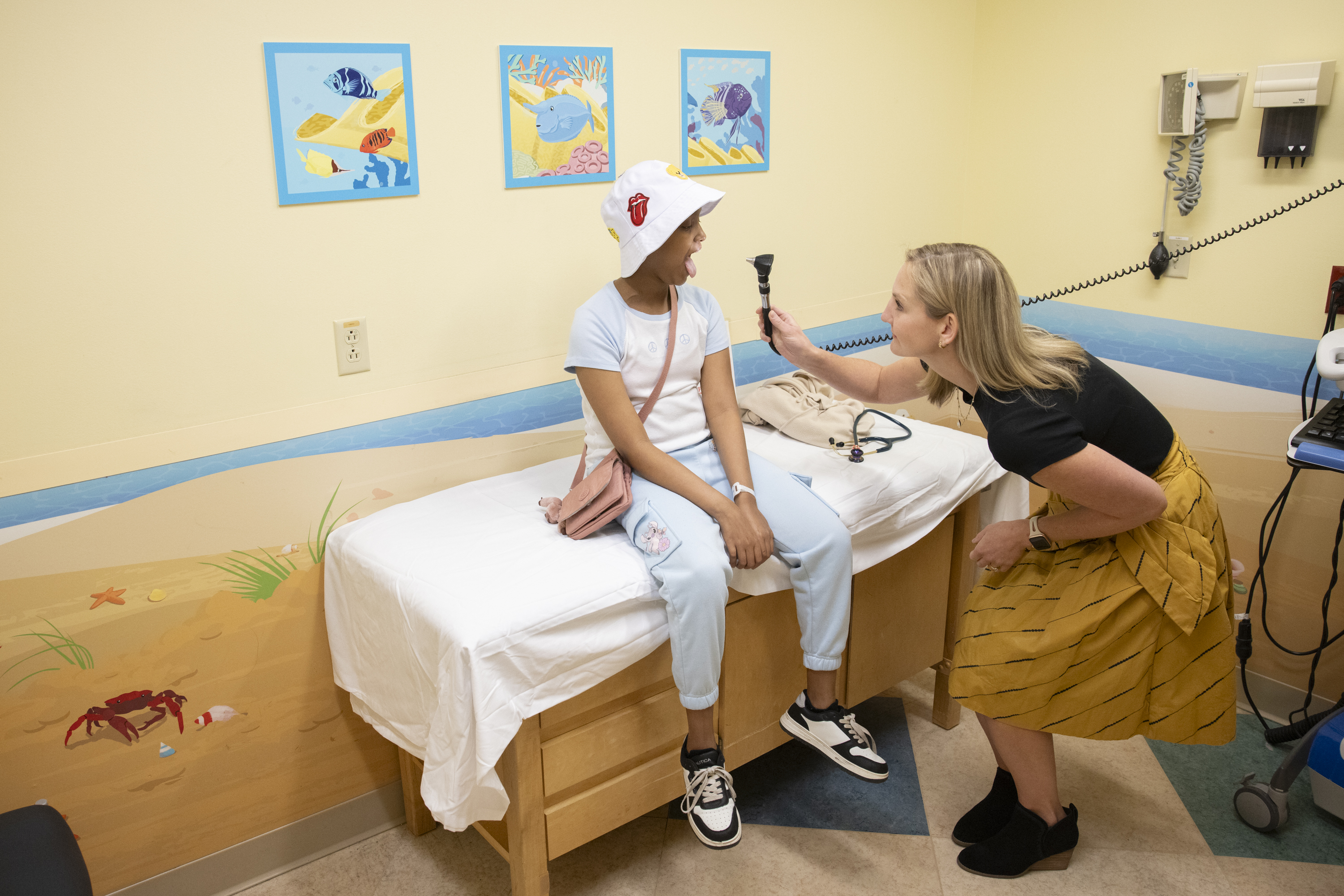
Maggie grew up in Brookhaven, Mississippi, and had known she wanted to pursue a career in medicine since a hospital stay at age 4. Her own cancer experience put her on the path to her current role as a pediatric oncologist at SSM Health Cardinal Glennon Children’s Hospital.
“When I went back to school and then went to med school and residency and everything, I really tried to keep an open mind, like, I can be any kind of doctor — maybe I’ll be a different kind of doctor for kids,” she said. “I really tried to be open, but I just couldn’t not do this. I just always felt pulled to work with kids with cancer.”
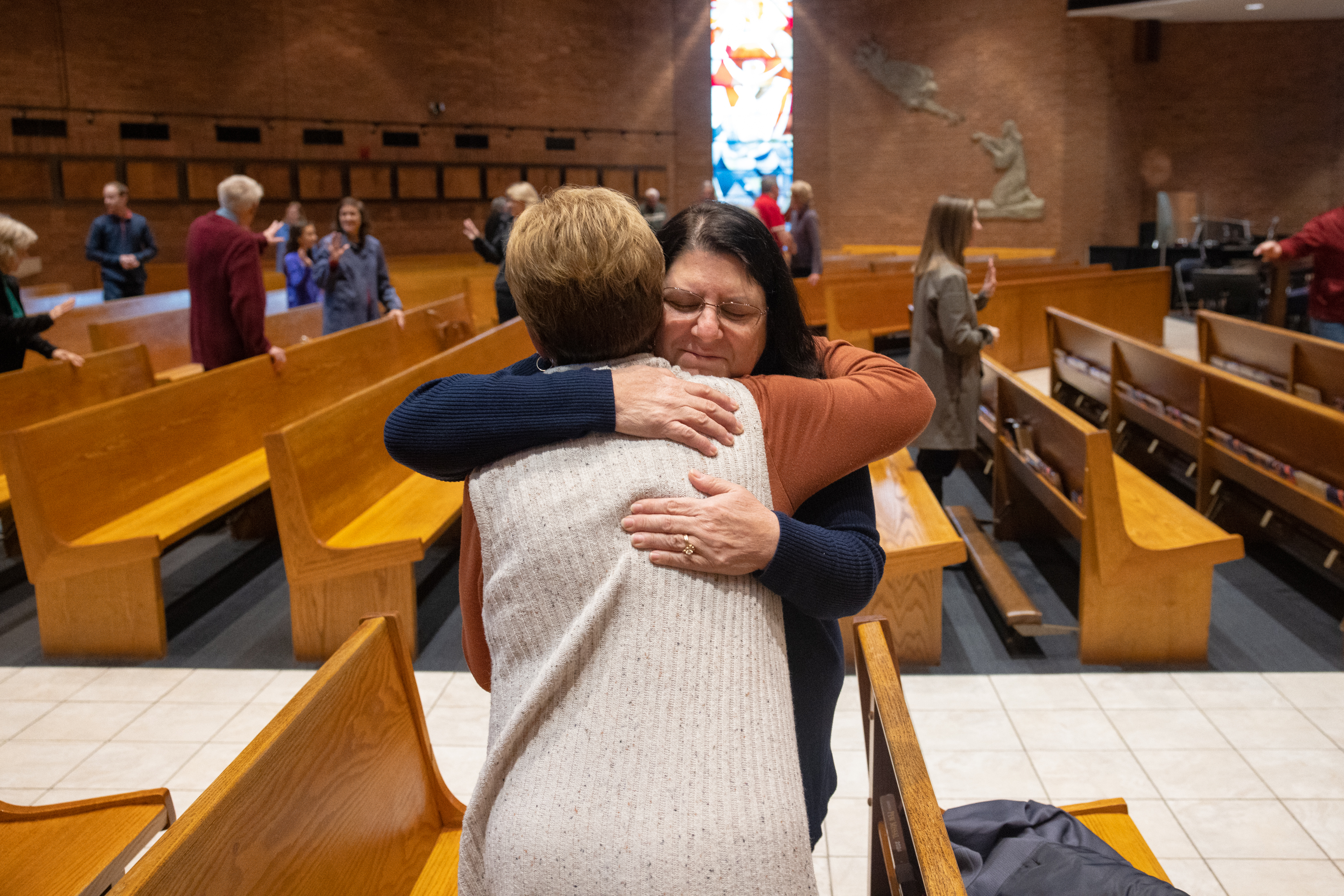
Maggie’s Catholic faith has been a source of strength for her through her own treatment and now as a doctor who works with patients and families experiencing great suffering, she said. That faith was tested when she found out she had cancer. She was scared of dying, and she questioned how God could allow so much pain for her and the other children in the hospital around her.
“That year is when I started to view God not as like this man in the sky who chooses what happens and doesn’t happen, but that God is the love that is present no matter what happens. No matter how sick someone is, God is always there, and there’s always love and light, if we look for it,” she said. “That kind of helped me get through the year, and certainly now today helps me when I’m with patients.”
Now, she says she couldn’t do the work she does if she didn’t have her faith to lean on.
“There are also a lot of times when I can’t fix suffering — medically, I’m able to fix a lot, which is great, but there are times I cannot, whether that’s preventing death or whether that’s preventing things like nausea and pain and sadness,” she said. “And I know that even when I can’t fix it, I know that I can be there, and that’s better [than] nothing. I know from being a patient that just having people who could be there with me and love me through it made a big difference when they couldn’t fix it in other ways. So that’s something I’ve taken with me.”
“That’s where I see God playing a role, is just being able to be present with people and care about them, and that’s where I think God joins me in that, in helping,” she added.
Maggie’s research has focused on understanding and preventing long-term effects of cancer treatments. She earned a master’s degree in clinical investigations, which included creating an ongoing clinical trial at St. Jude’s studying survivors of high-risk neuroblastoma. Patients with that type of cancer typically have to undergo a whole range of treatment including chemotherapy, radiation, surgery, immunotherapy, bone marrow transplants and maintenance therapy.
Unfortunately, these treatments to get rid of the cancer can also come with their own adverse effects in the short and long term, Maggie said, and more research needs to be done on how they continue to affect the health of survivors.
“I think it’s important for us to be a part of figuring out what happens on the road and how we can make that better,” she said.
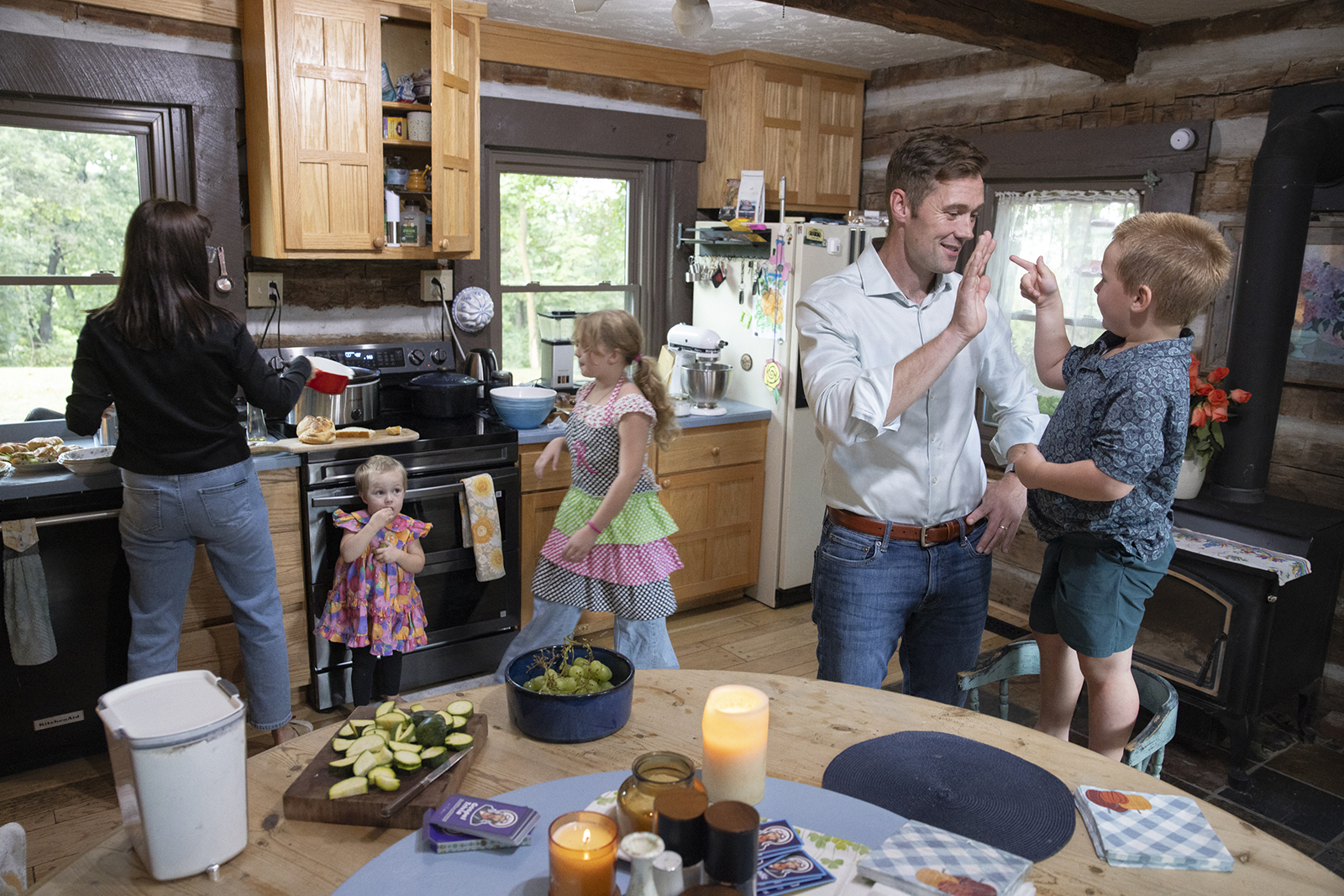
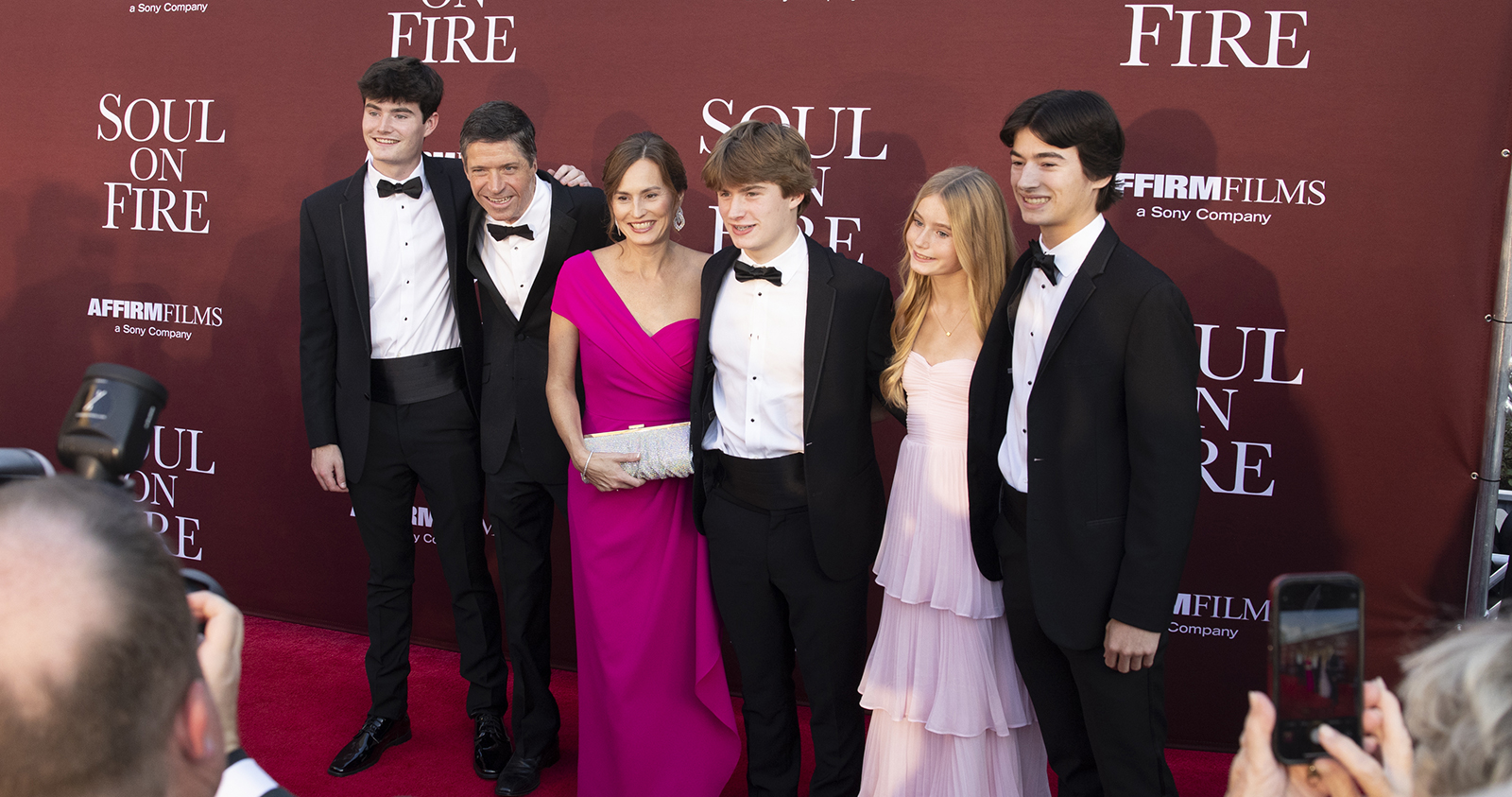
One of those effects that Maggie experienced after cancer treatment was ovarian failure. Medical tests indicated that she would not be able to have children, and she and her husband had started looking into the adoption process. Then, to their overwhelming surprise, she got pregnant. Her oldest, Lila Jude, was followed by another baby just a year later.
“I have two miracle babies, and scientifically, it’s not really explainable, and there’s not really any data out there to suggest how often this kind of thing happens, when somebody is in complete menopause for many years and then recovers from it,” she said. “But obviously there’s a lot that happens in science that we cannot explain. And I think every doctor who’s a smart doctor would agree with that.
Maggie, a parishioner at Holy Redeemer in Webster Groves, has been at Cardinal Glennon Children’s Hospital since August 2024 and found it to be a good fit for her patient-focused approach and care.
“What most of the doctors and nurses have in common is that we really care, and I really like being somewhere where I feel like the values I have and the goals I have for my job — seeing it as a vocation — it feels like most of my coworkers have that in common,” she said.