Recently I was at a Mass where the presiding priest announced that he had a cold and would rely on the lay eucharistic ministers to distribute Communion. I only receive from the priest and so I missed Communion that day. Is this allowed?
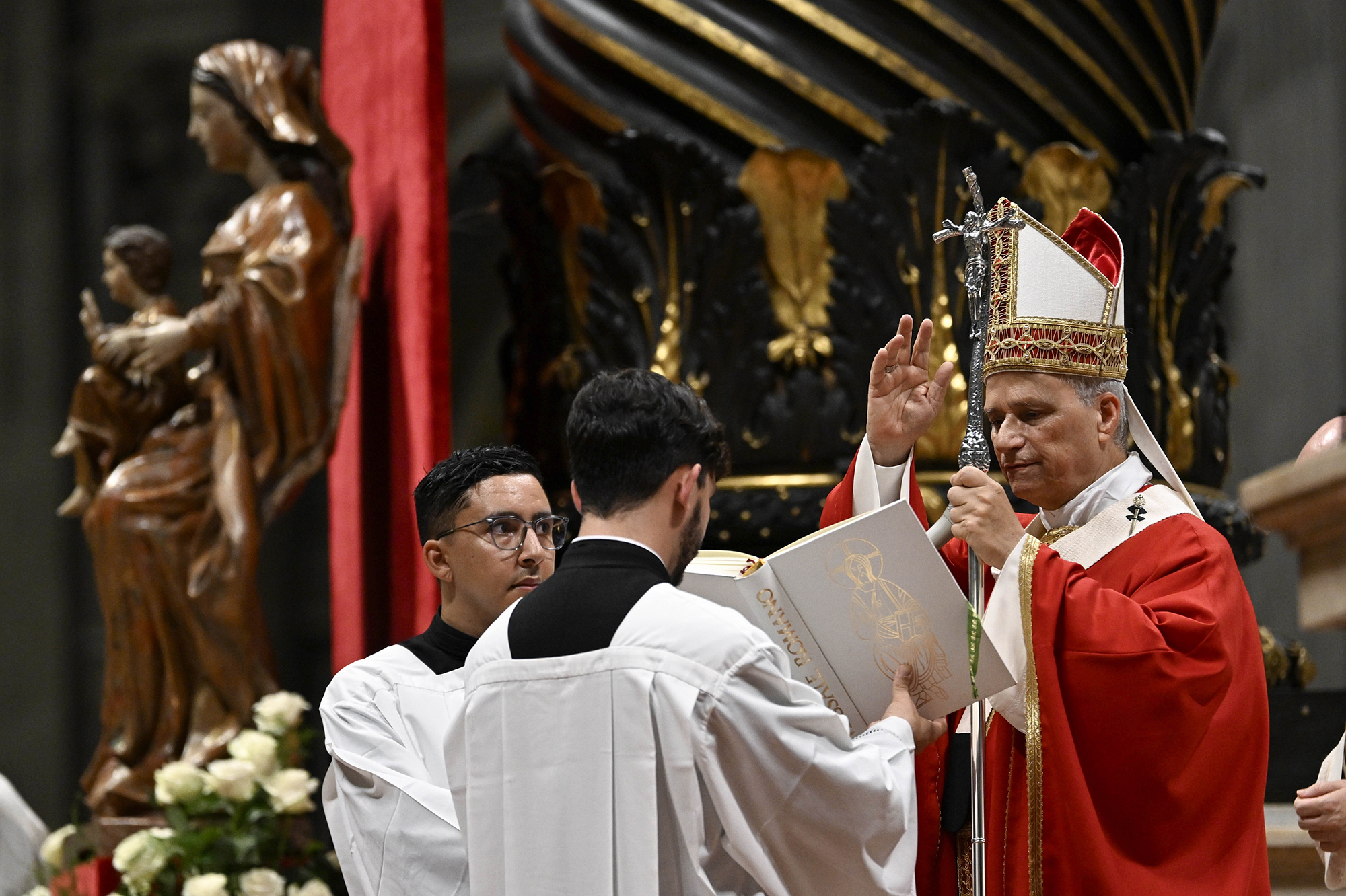
At every liturgy, there are people who assist in various ways, each with specific roles and duties. Regarding the Eucharist, the ordinary minister of holy Communion is a priest or deacon, and normally, it is the priest or deacon who distributes Communion to the faithful. For several decades, the Church has allowed the use of extraordinary ministers of holy Communion when there are not enough priests or deacons to distribute Communion in a timely manner. They assist the priest in distributing Communion; they do not replace him.
That being said, as we know from the COVID-19 pandemic, exceptions are made under certain circumstances. During the pandemic, the Sign of Peace was omitted, distribution of the Precious Blood was suspended and the faithful were asked to receive Communion in the hand. Once the brunt of the pandemic passed, the mandates were lifted. They were in place to protect the faithful from infection, and for good reason.
Regarding the specific situation described in the question, it sounds like the priest exercised good sense. Ideally, he would have found a substitute presider, but that is not always possible. He clearly wasn’t rejecting his own role as the ordinary minister of holy Communion, nor was he elevating lay eucharistic ministers to a different level than the Church intends. If he was infectious, then relying on extraordinary ministers of holy Communion to distribute was an appropriate choice. (I, myself, have done that on occasion.) The same would be true of a priest who struggles with mobility issues due to age or physical condition. Sometimes a priest simply isn’t able to distribute safely without risking a fall. Rather than judging him, we should be grateful for his generosity in still presiding for the faithful.
A separate issue is that of refusing to receive holy Communion from an extraordinary minister of holy Communion. While that is certainly a choice one is free to make, it rejects the clearly approved practice of the Church to make use of the laity for distributing Communion in appropriate circumstances. I would encourage anyone who abstains from Communion because he or she won’t receive from a duly-appointed lay person to prayerfully reflect on whether or not that is in line with the Church. There are valid reasons to abstain from Communion at Mass (e.g. being conscious of serious sin). Abstaining as a means of protest is not one of them.
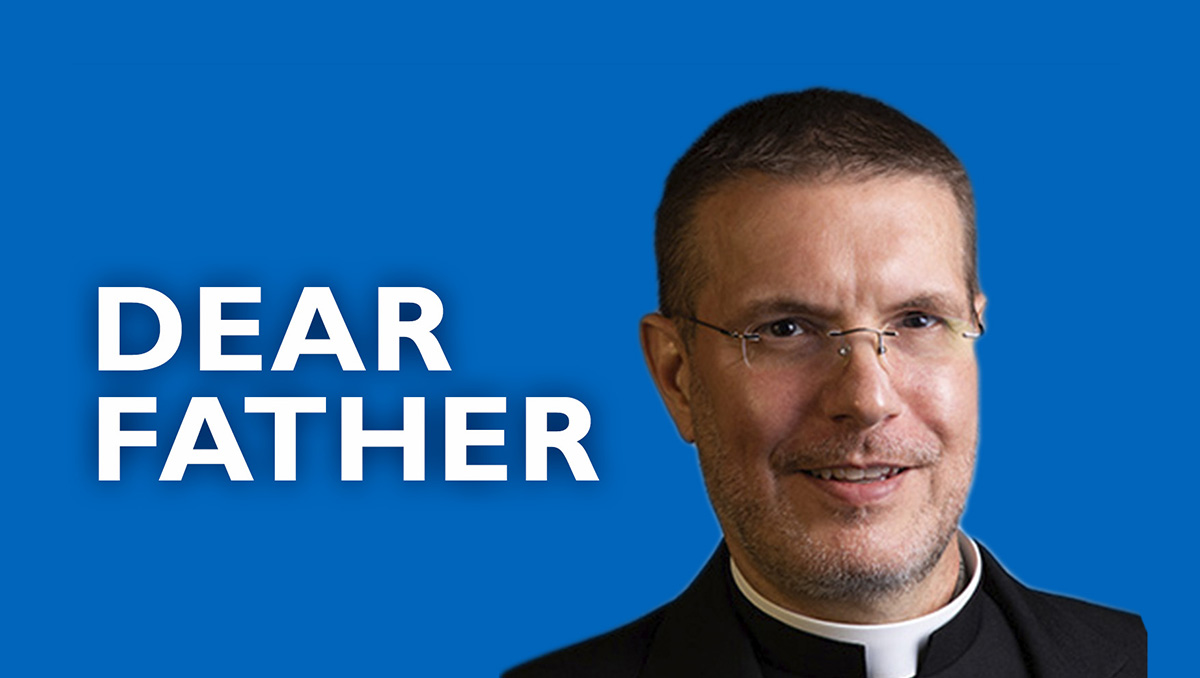
Father Scott Jones is the episcopal vicar for the Northern Vicariate of the Archdiocese of St. Louis.