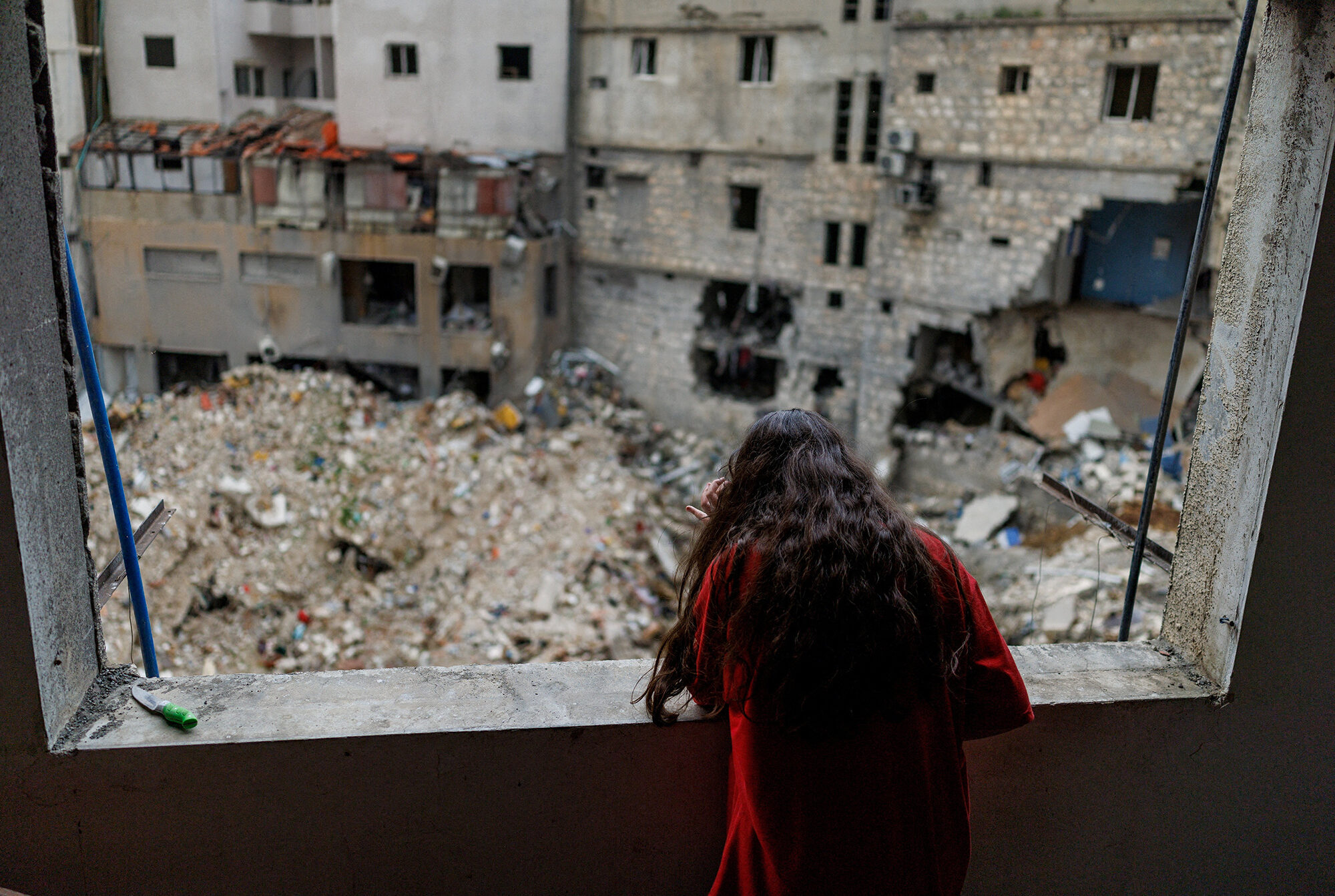
A Christian school in southern Lebanon was damaged by the Israeli military, while a nun was attacked in Jerusalem
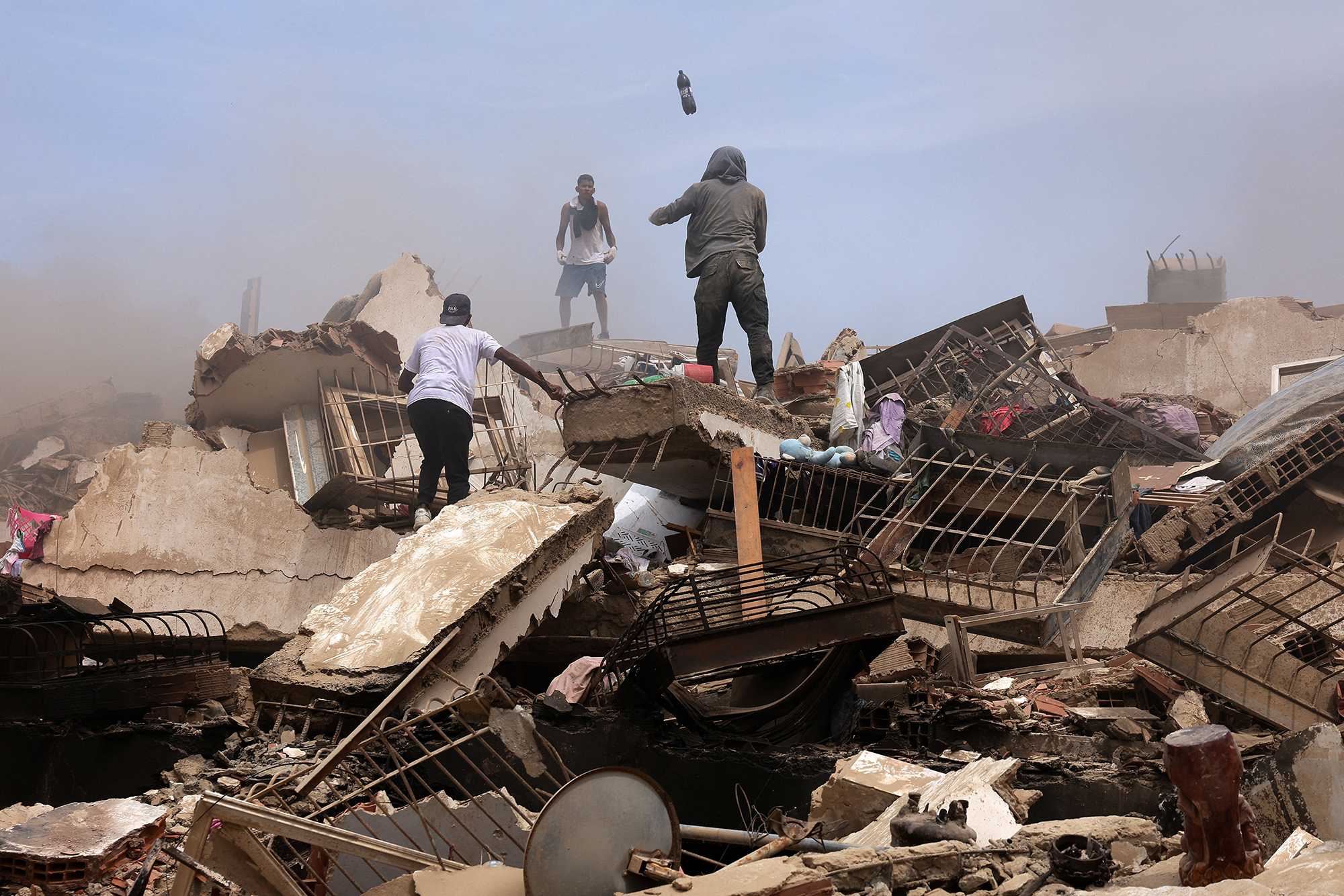
After May 2 news reports that Israeli bulldozers demolished Holy Savior Christian school in the village of Yaroun, in southern Lebanon, the Israeli Defense Forces said that while some damage was caused, they denied “demolishing” the site with bulldozers.
L’Osservatore Romano, the newspaper of the Holy See, and the NNA Lebanese agency both reported the destruction of the school in the Bent Jbail district.
The damage to Christian property comes amid mounting attacks on Christians in Lebanon, Jerusalem and the West Bank.
L’Osservatore Romano said the Lebanese school also housed the homes of the nuns who “cared for the spiritual and cultural growth of hundreds of students,” noting that the village of Yaroun had been “uninhabited and in ruins for some time, ever since Israel partially razed it to the ground in the previous 2024 war against the Shiite Islamist armed group Hezbollah.”
The residents of the village, L’Osservatore said, had already been forced to abandon their homes and lands.
Father Ibrahim Faltas, vicar of the Custody of the Holy Land, wrote in Vatican News that the Christian school damaged in the Lebanese village “was the only remaining building, along with the nuns’ convent, that had not yet been bombed, and mechanical means have obliterated a spiritual and educational point of reference for hundreds of children and young people.”
“In whose name and for what motivation can sacred places be destroyed and outraged, human beings offended and humiliated, religious signs and symbols trampled upon?” he asked.
“What danger can a place of worship, a school, or a convent pose?” he continued. “Is this violence born of ideology, preconceptions, or blind racism? What sparks such hatred toward fellow human beings with different faith and life histories?”
The Israeli foreign ministry said in a May 2 X post that “claims that a monastery in Yaroun in South Lebanon was ‘demolished’ are false. The site is intact and safe.”
Israel claimed “Hezbollah has repeatedly used civilian homes and churches for its terror activities” and that in recent weeks, “it also fired toward Israel from the vicinity of the monastery compound in Yaroun. IDF operations in the area targeted Hezbollah infrastructure while taking measures to ensure the monastery and other religious sites remained unharmed.”
The Holy See newspaper said, however, that Israeli operations follow a similar script in different villages in southern Lebanon.
“Villagers are ordered to evacuate, and then they bomb. Only then do the bulldozers go into action, leveling every house, every object. All historical memory is erased. Only a ghostly, anonymous landscape remains, devoid of a past,” the newspaper said, adding that 50 villages affected are included in the so-called yellow line, or Israeli buffer zone, in Lebanon.
“Such violent acts are not responses to the behavior of those who profess the Christian faith, because the Christians of the Holy Land do not react to provocation; they are welcoming, open to forgiveness, and loving toward their neighbors,” Father Faltas said in his Vatican News editorial. “They are proud to belong to Christ and to be born in the Land that has witnessed his earthly works and heard his voice reveal the Father’s love and the power of the Holy Spirit.”
In Jerusalem, a Catholic religious sister was attacked April 28 by a religious Jewish man wearing ritual tassels. A video of the attack released by the IDF showed the nun was knocked to the ground, hitting her head against the stone, and while the attacker initially walked away — he returned to kick her as she lay on the ground. The suspect was arrested.
“In Jerusalem, increasingly intolerable situations of violence, insults, and outrage against sacred places, religious figures, and Christians are occurring,” Father Faltas wrote in his Vatican News editorial.
Father Faltas listed words, gestures and graffiti in Jerusalem “that reflect a hatred charged with ferocity and arrogance: these attacks are always unjustifiable, but they are particularly unacceptable when they occur in the Holy City of the three monotheistic religions.”
He said while Jerusalem is divided and contested by believers “who pray differently and dress differently,” the diversity “does not justify the tension that continues to make life unbearable for each and every one of us who meet in the streets and narrow alleys of the Old City,” the vicar of the custody lamented.
“Peaceful coexistence is possible if we respect our own lives and those of others. Peace is possible if we are able to better understand the lives of others, if we create and establish relationships between lives that touch but do not know each other,” Father Faltas said.
In the West Bank, settler attacks are increasingly violent, which caused the Latin Patriarchate of Jerusalem to repeatedly denounce “attacks against local residents and Patriarchate lands in several locations”— with patriarchate representatives meeting representatives of the Military Authorities and Civil Administration in late April “to discuss the serious effects of the recent settler encroachments on lands owned by the Latin Patriarchate in the Tayasir area of Tubas Governorate.”
“The Endowment Department of the Latin Patriarchate confirms that protecting Church endowment properties is a red line. It will continue to take all legal and administrative steps needed to protect their sanctity, preserve their Church identity, defend their lawful rights, and continue supporting the local people,” the April 23 statement of the Latin Patriarchate said.