If we want the times to be better, each of us needs to become something better

Dear brothers and sisters in Christ,
Does the world ever seem upside down to you?
Think about the baseball player who recently signed a contract with a $75 million signing bonus — a signing bonus worth more than the entire payroll of several other teams. I wonder what $75 million might mean to the tornado recovery effort in north St. Louis?
Now, let me be clear: That’s the team’s money to spend, and the player can negotiate however he (or his agent) wants, and I hope he spends his money generously. Still, this is one sign of how the values of our culture have drifted toward the importance of getting as much for myself as possible. Our economic paradigm sets this up as the definition of success and our money supports it. Can we do better?
Another sign of the values of our culture is the pornography industry. Think about how this industry combines self-indulgence with exploitation of others, then reaps an enormous profit — in the billions of dollars — from that combination. Our economic paradigm treats this as “business as usual” and our money supports it. Can we do better?
In the earliest days of his pontificate, Pope Leo XIV noted that the inequalities between opulence and destitution are carving deep divides between people (May 16, 2025). It’s easy to point the finger at others and blame “the system.” But the Holy Father invited us to pursue another course. He quoted St. Augustine, who said: “Let us live well and the times will be good. We are the times.”
We are the times. So, if we want the times to be better, we — each of us — needs to become something better. But if building a better culture requires determination, it also requires patience.
Perhaps the “time delay” of the hottest days of summer offers us a cultural lesson. Remember: The hottest days of summer come one to two months after the longest days. Perhaps culture works that way as well: Individual acts of selfishness and exploitation plant seeds that ripen slowly, shaping the culture in one or two decades.
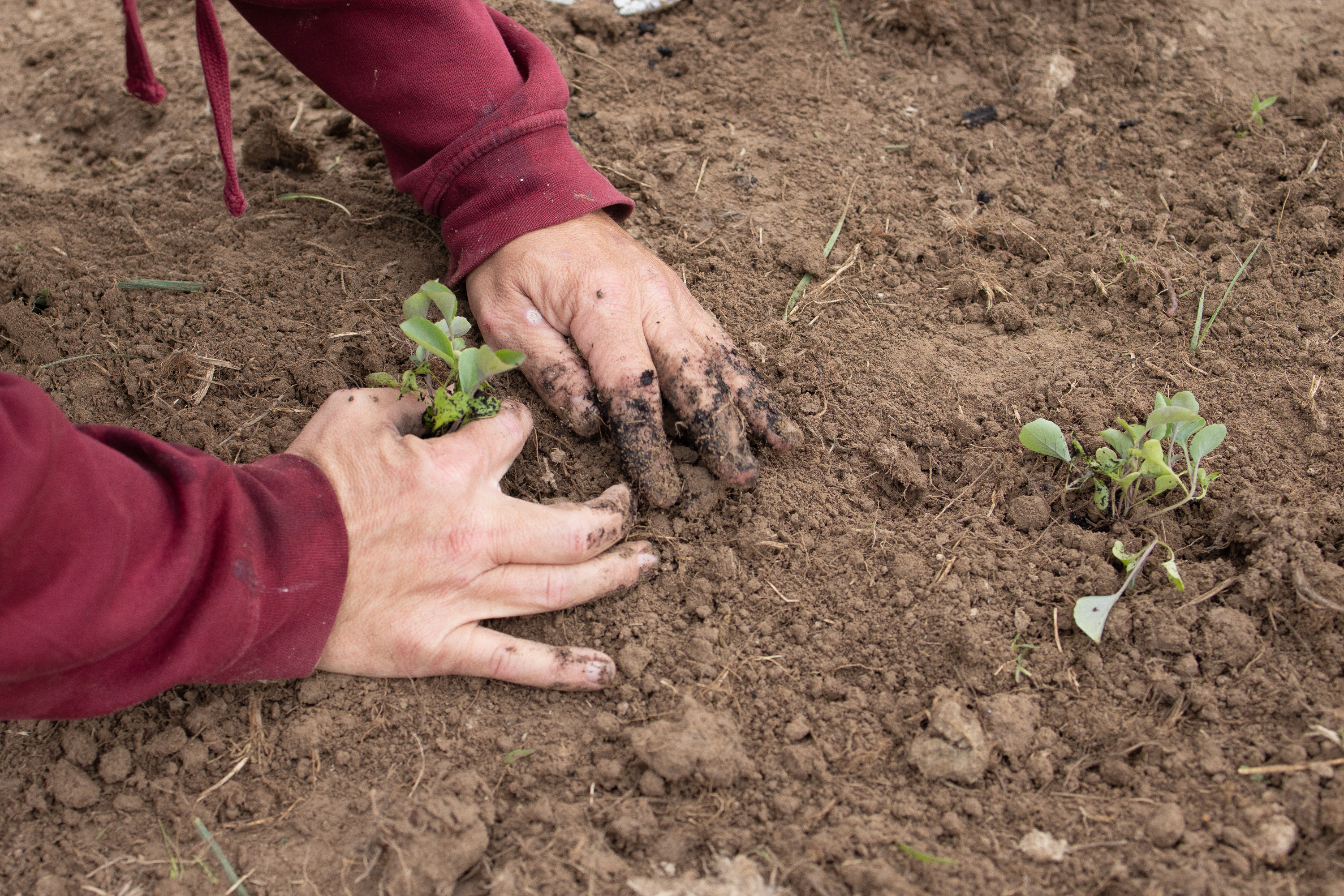
That means, culturally, it’s planting season. And we’ve got some serious work to do!
Let’s make a personal investment in changing culture for the better. How? Here’s what I propose: Read the first seven chapters of the Book of Leviticus. But read those chapters for a spiritual lesson, not a historical one. They treat the sacrificial rituals of ancient Israel. Instead of asking, “Why did they do that?” ponder these two questions: 1) What did it look like for Jesus to perfect those sacrifices in His life? And 2) What sacrifices can I make in my life to follow Jesus more closely? (By the way, the Word on Fire Bible is especially helpful for this. It contains several good commentaries on these very questions.)
What if we sowed seeds of self-sacrifice rather than self-indulgence, or self-giving rather than exploitation? What if we sowed seeds of truthfulness, gentleness and silence, rather than half-truths, belligerence and endless scrolling?
Maybe then — like the longest days of summer — we’d be planting seeds of a culture that’s less upside-down, even if it takes a few decades for that culture to ripen.