Lay Catholics are taking the charge in promoting vocations to priesthood, religious life in their parishes
Do you remember the chapel code?
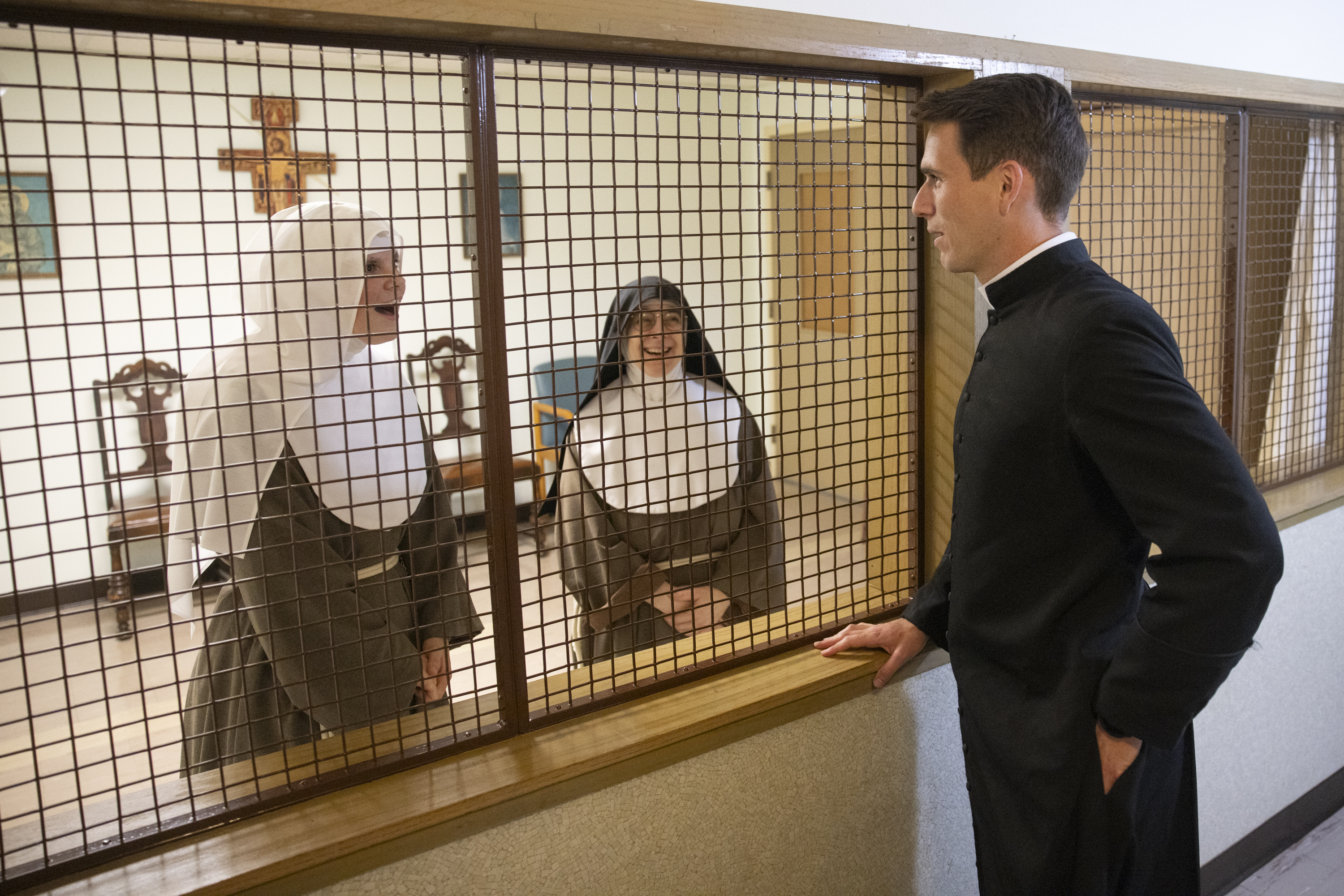
Peering at Father Michael Laugeman through the metal grille in the parlor at the Poor Clare monastery, Sister Mary Bethany grinned as she quickly recited the numbers.
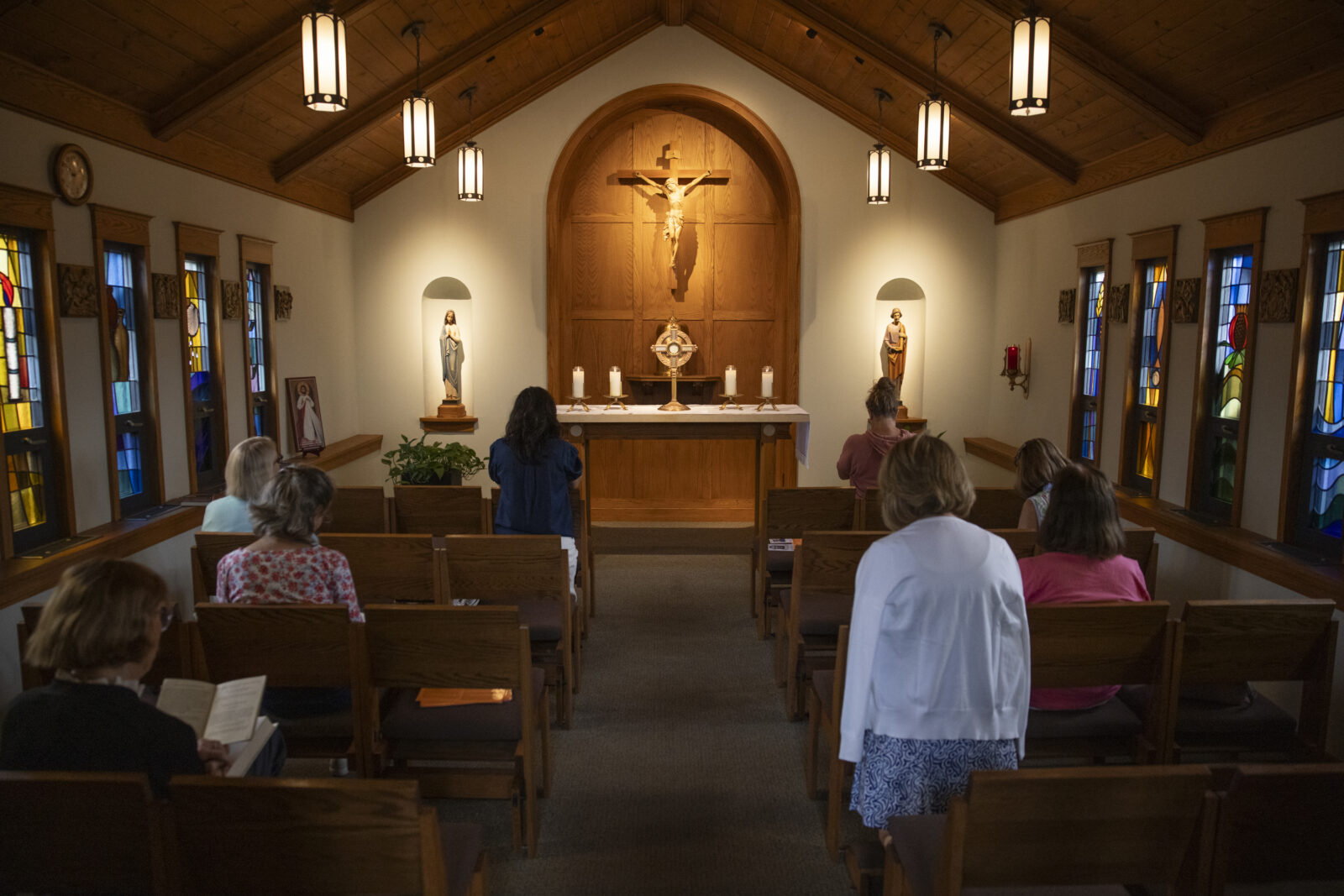
It was the code that gave them frequent access to prayer before Jesus in the Eucharist. The chapel, once the original church at Immaculate Conception Parish in Dardenne Prairie, played a big part in discerning their future vocations.
A priest friend once told Father Laugeman, “there’s something about this chapel, that you can walk in here at any point of the day, and there’s a good number of people who are there who are praying,” he recalled. “The sacramental availability that ICD allowed for — eucharistic adoration, two daily Masses and confessions every day before the 6:30 Mass — they offered everything you needed. And that’s one of the primary things I point to — our Lord is waiting there for you.”
On an afternoon in June, Father Laugeman visited the Poor Clare monastery to celebrate Mass with the sisters. It was his first time visiting the Poor Clares since his ordination in May and a mini-reunion with Sister Mary Bethany, who entered the cloistered community in south St. Louis County in 2024.
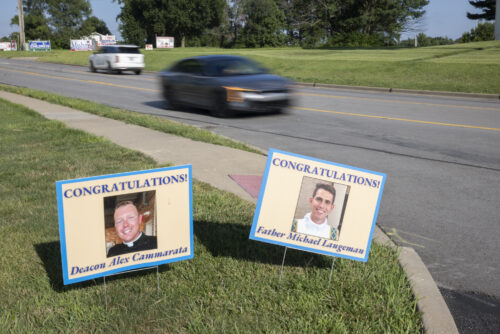
The two are among several young men and women with ties to Immaculate Conception who have or are in the process of discerning a vocation to the priesthood or religious life. Father Laugeman attended grade school at Immaculate Conception, and Sister Bethany, who came from neighboring St. Paul Parish in St. Paul, was active in Immaculate Conception’s youth group.
Father Laugeman and Sister Mary Bethany noted that the path to their vocations wasn’t necessarily a single program or event, but being part of a culture that includes prayer and access to the sacraments — a busy adoration chapel, daily Mass and confessions and a youth ministry that encourages teens to foster a relationship with Jesus. Those were foundational in supporting their vocations to the priesthood and religious life, they said.
That kind of culture doesn’t happen on its own, though. It takes intentional effort from clergy and lay parishioners who are willing to make vocations part of everyday parish life, said Rhonda Gruenewald, founder of Vocation Ministry.
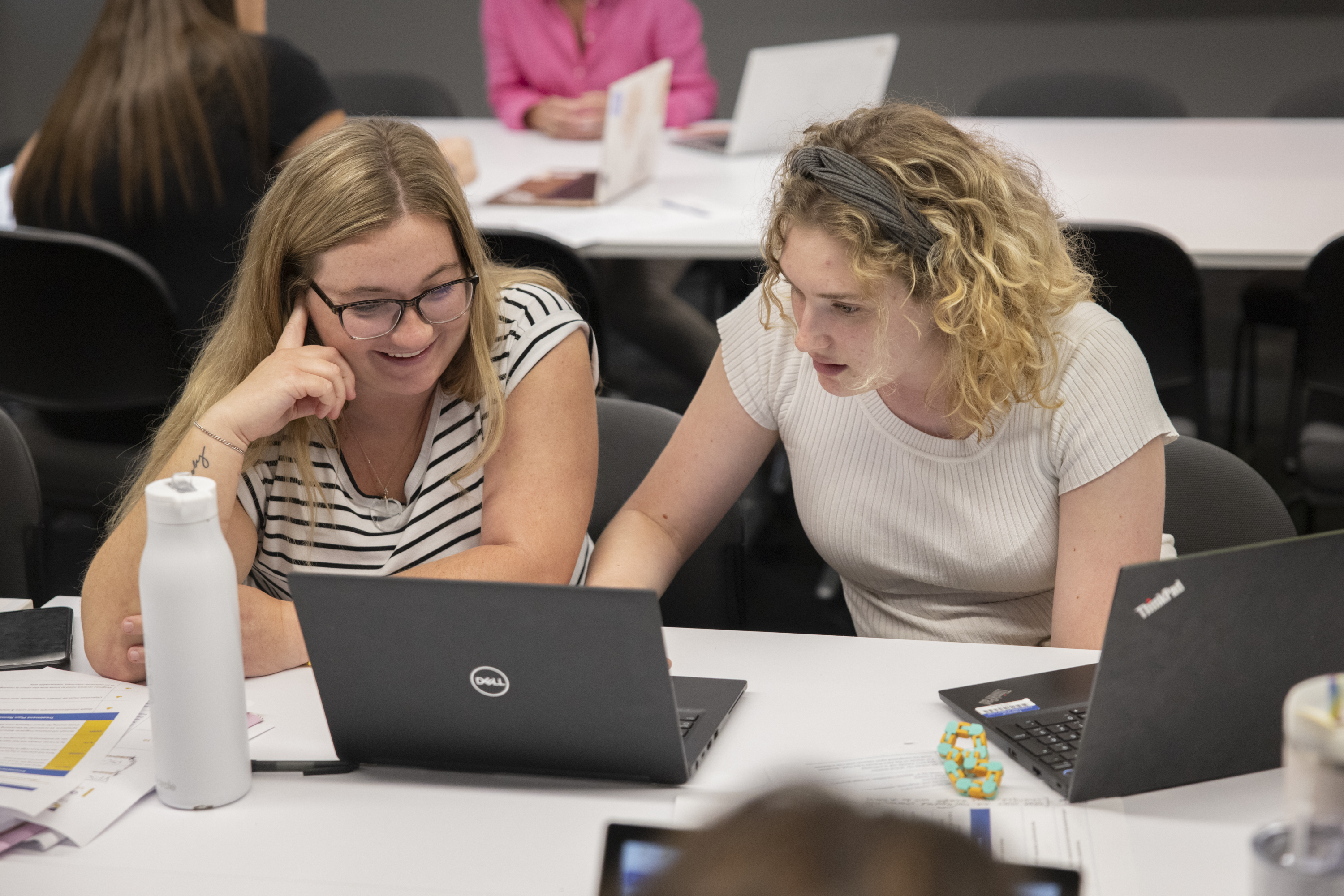
In March, more than 100 laypeople in the archdiocese gathered for a workshop featuring presenters from Vocation Ministry, an organization that helps parishes foster a culture of vocations. Gruenewald and co-presenter Bob McMorrow shared practical tools, giving parish committees concrete ideas tailored to their own communities rather than a one-size-fits-all program.
“For the longest time, it’s been, the Holy Spirit will take care of it, like vocations had been relegated to how the Holy Spirit is going to provide,” Rhonda said. “That’s OK, but we’re supposed to do our part. The thing is, we didn’t have to do our part, because our part was in society already for the longest time. There was always an uncle who was a priest or an aunt who was a sister, and the priest came over for dinner on Sundays. Now we don’t have that — so how are we intentionally creating that culture?”
How to respond to God’s call
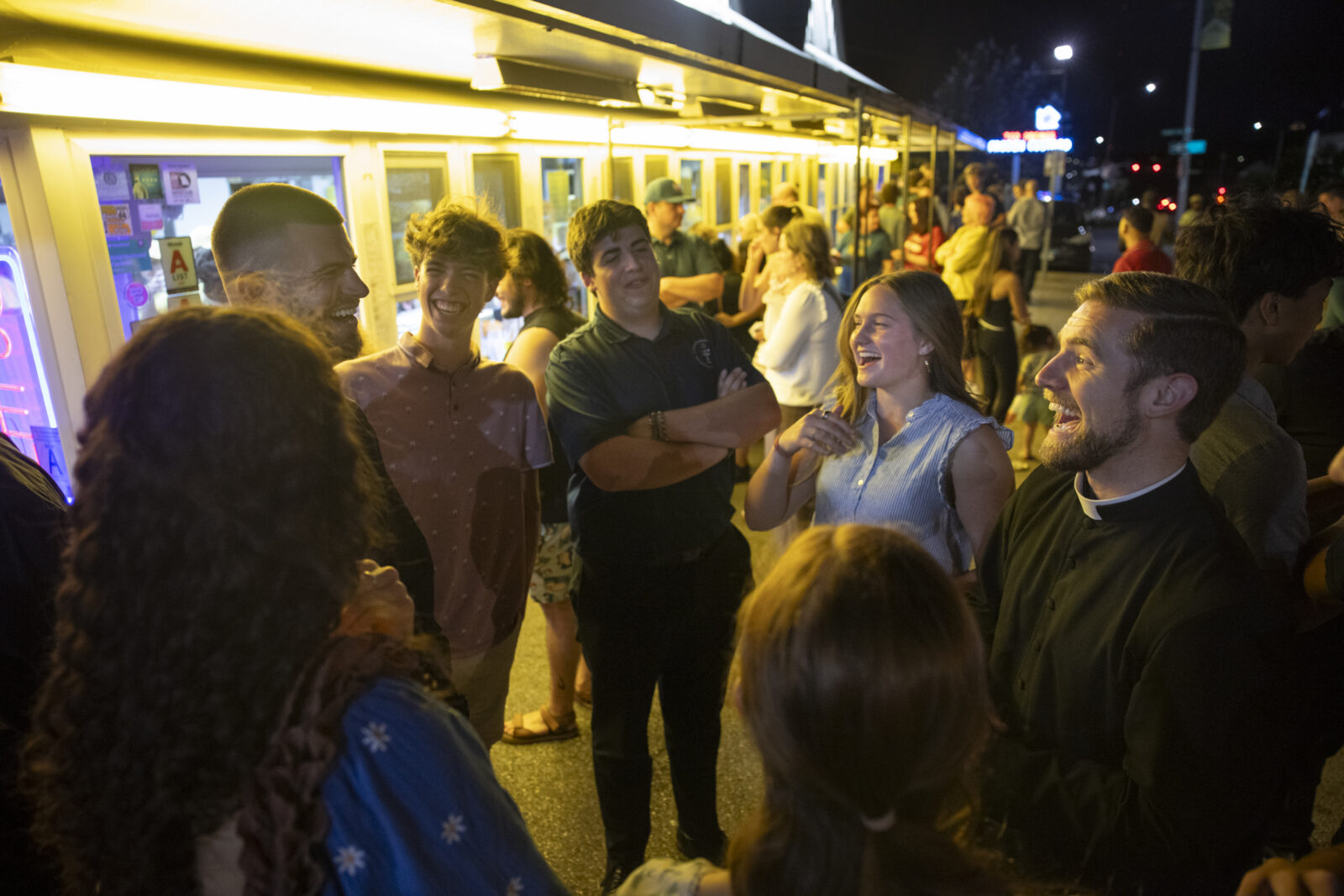
As she prepared for her son Michael’s ordination in late May, Teresa Laugeman had plenty on her mind — from a Holy Hour on the eve of his ordination to a flurry of family and parish celebrations that came with it. Amid the excitement, her thoughts brought her back to an important question: How could her parish help other young people hear and respond to God’s call?
After attending the workshop in the spring, Teresa and about half a dozen others on the parish’s newly formed vocations committee planned activities at the parish picnic and created display boards in the church gathering area highlighting seminarians and priests from the parish.
The group is working toward other efforts, including hosting regular holy hours for vocations, connecting with existing efforts including a Rosary for priests that rotates among parishes in St. Charles County and supporting youth ministry and FOCUS (Fellowship of Catholic University Students) missionaries to foster a broader culture of discernment of vocations within the parish.
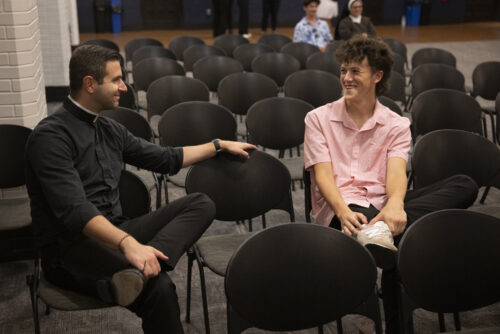
“If there’s no priest, there’s no Eucharist,” Teresa said. “Ever since Michael’s been in the seminary, I feel like it’s almost my mission. I’m, like, always telling people, we have to pray for vocations.”
Youth ministers Mary Winkeler and Adam Barger see those seeds planted at events like the annual Steubenville youth conference and Luke 18 retreat. That exposure continues throughout the year through visiting priests and religious and the steady presence of priests and seminarians involved in the youth group. For many teens, it’s the first time they’ve had a real experience of Christ and a chance to discover what it’s like to actually have a relationship with Him, Mary said.
“They see holy people pursuing a vocation — they’re seeing witnesses of that,” Adam said.
Cooper Stiles, a junior at CBC High School who has attended several Steubenville conferences with the youth group at Immaculate Conception, said those opportunities have made the idea of having a vocation very real to him.
“They’re just great examples of showing how I as a young man can get interested in this as well,” he said. “Overall, they present great opportunities, and they also remind you like this is maybe something to look at.”
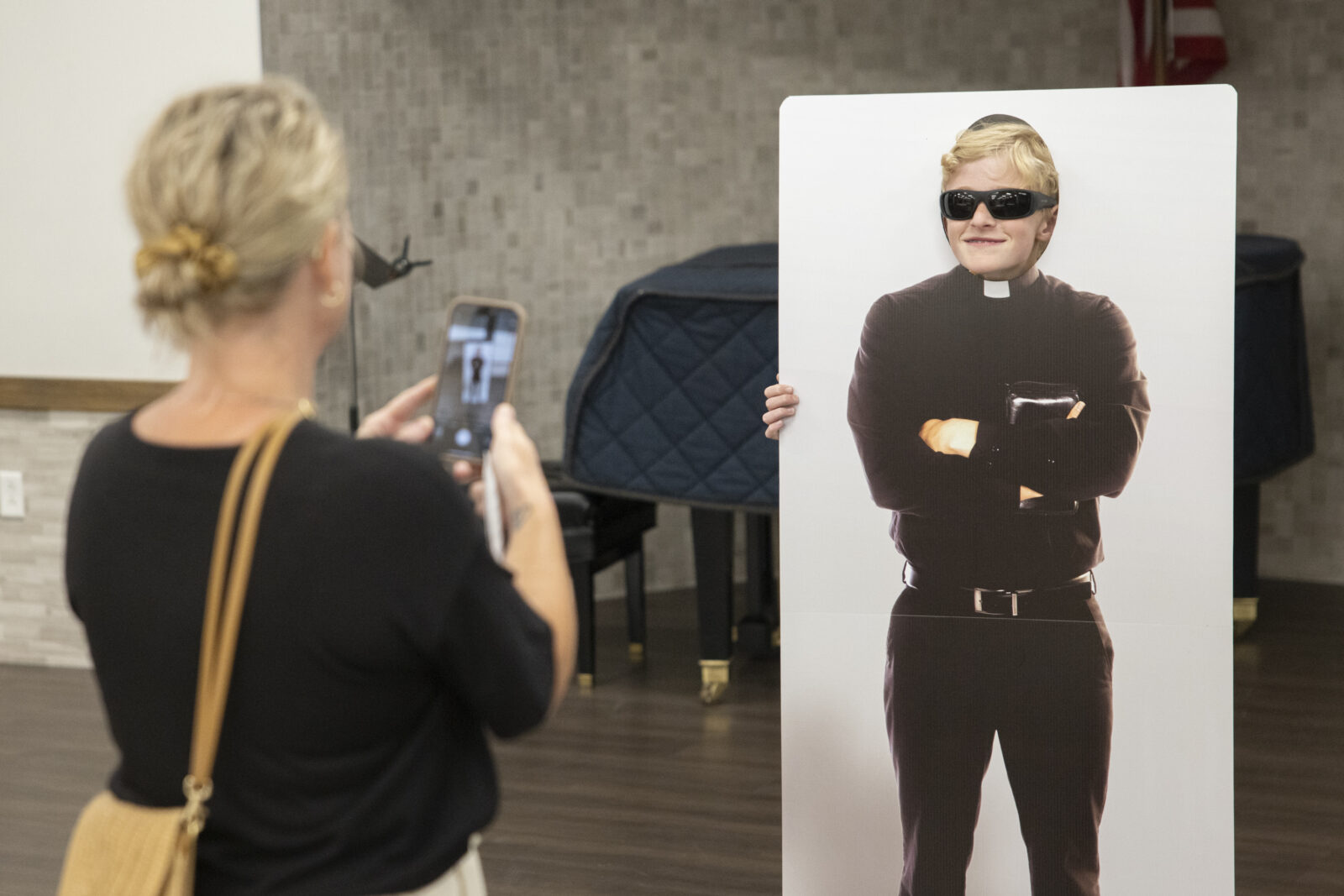
“Open to what could happen”
On a rainy Friday morning in June, the pews at St. Clement of Rome were filled for the parish’s annual vocations Mass. Dominican Father Patrick Hyde, a former parishioner and St Clement School graduate, returned to his hometown for a visit and to celebrate the Mass.
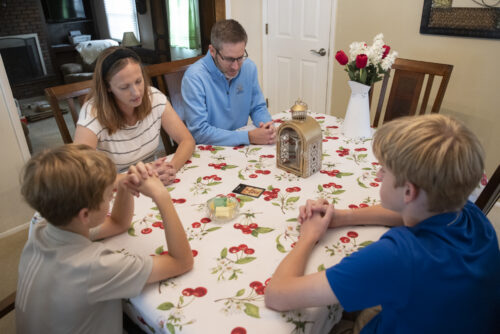
In his homily, Father Hyde shared his own journey to the priesthood, tracing it back to a deep sense of God’s love that took root at St. Clement long before he entered the Dominicans. He joked that as a youth, his parents never pressured him to become a priest; rather they insisted he “get his act together” and live his faith, trusting God to take care of the rest.
God’s love is what makes a vocation possible in the first place, he said. He encouraged those in the pews to live their own faith with conviction, and said that an authentic Christian life is itself a witness that can plant the seed of a vocation in others.
At St. Clement, Jeanne Fluri and members of the vocations committee help sustain a parish culture where vocations are supported through prayer, visibility and relationships.
Besides the annual vocations Mass, the parish offers a regular holy hour for vocations in the adoration chapel, promotes a vocation chalice program and publishes an annual holy card featuring priests, deacons and religious with ties to the parish, among other activities.
“That’s been the key piece of it, it’s the prayer,” she said. “It just shows there’s so many that really love vocations at St. Clement.”
Vocations awareness also extends into the school, PSR and youth ministry program, Jeanne said, where young people are invited into personal encounters with priests and religious. Youth events such as Steubenville also help support a culture of vocations.
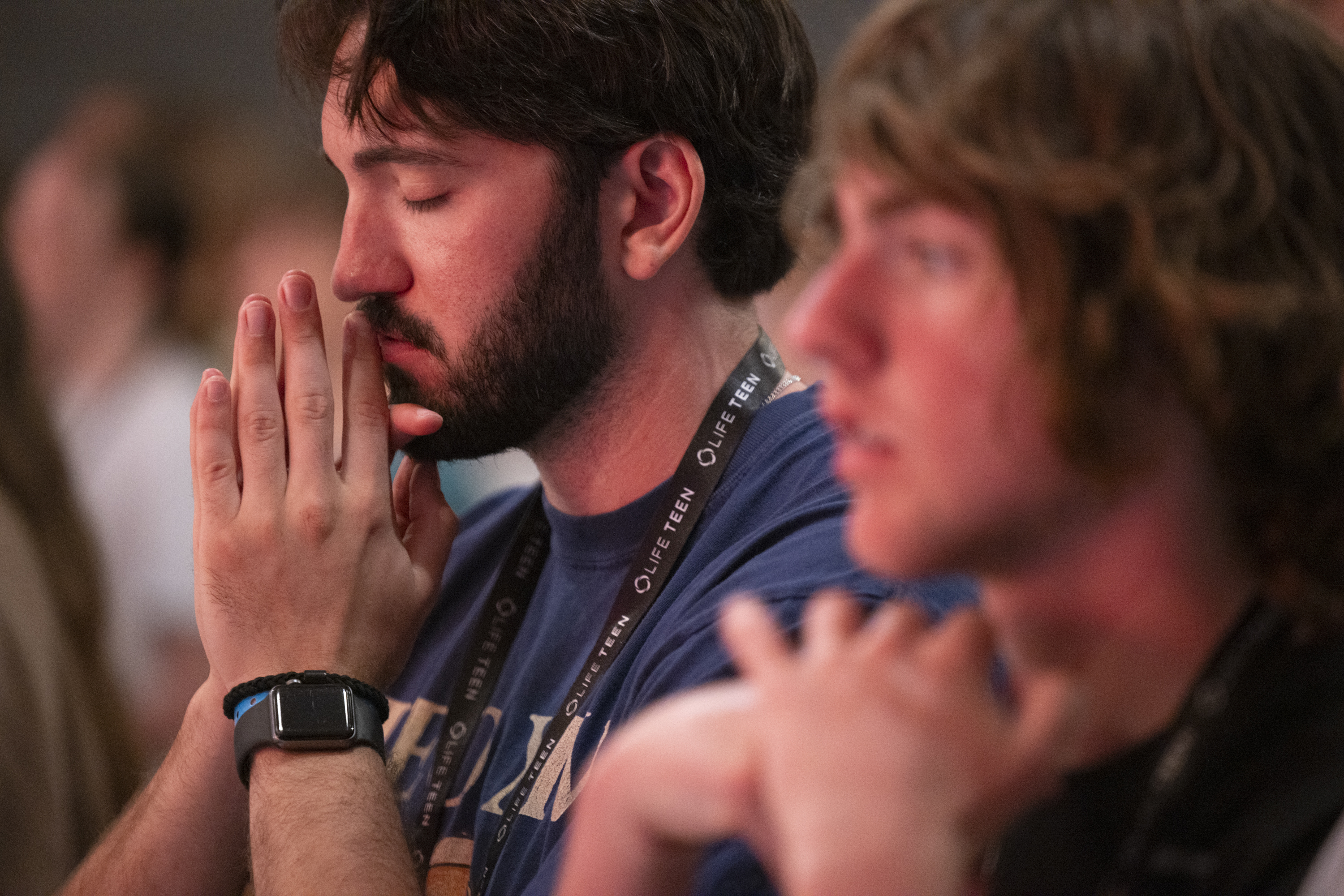
Over the summer, Matthew Sansone and more than two dozen teens from St. Clement attended Steubenville, where at the end of the closing Mass is a “vocations call,” where teens who are feeling a call to the priesthood or religious life to come forward to receive a special blessing.
At last year’s conference, the junior at Chaminade followed his friends up for a blessing at the last moment. Afterward, he found himself asking why he had gone, and he spent the following week in the chapel at St. Clement, praying and questioning whether God was calling him to priesthood, married life or single life. That decision became a key moment to have a deeper trust in God and an openness to wherever He is leading him.
“Our youth minister encourages us to discern who God is calling us to be in our life,” he said. “I’m still relatively (new) at discerning this, but I think right now God is just having me be open to what could happen.”
“God, what do you want me to do with my life?”
Along a wall in the vestibule of St. Ferdinand Parish in Florissant are nine framed photos of priests and women religious from the parish who have answered God’s call.
Following the Vocation Ministry workshop in the spring, Patty Schneier and several others formed a vocations committee and hit the ground running to increase vocations awareness within the parish.
The group learned that “vocations really do come from the parishes within the communities that foster a culture of vocations,” said Patty, whose son, Father John Schneier, was ordained for the archdiocese in 2017. “So that the question, ‘God, what do you want me to do with my life?’ becomes as normal as breathing.”
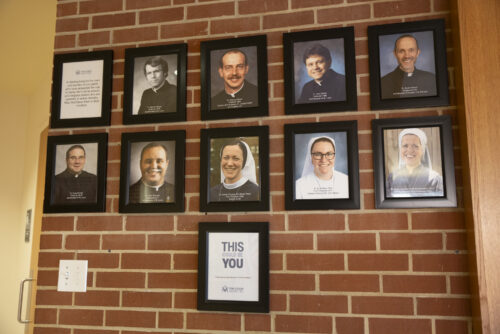
religious who are from the parish or parishes that are now part of St. Ferdinand.
Launched on Good Shepherd Sunday (also known as World Day of Prayer for Vocations) with more than a dozen members, the committee introduced visible practices, including a traveling crucifix for families to pray for vocations and vocation prayer cards for every household.
Divided into small teams to plan activities for Priesthood Sunday, Deacon Sunday and National Vocation Awareness Week, they also have introduced other measures — integrating petitions for vocations at every weekend Mass, regular bulletin features, spiritual bouquets, vocation-themed holy hours and a Rosary for vocations after daily Masses.
A major focus is helping young people and families see every vocation — priesthood, religious life, marriage and dedicated single life — as a joyful call from God, committee member Angela Garcia said.
It’s to have it “normalized for the kids … for them to feel comfortable and to know that it’s okay to pray about, to think about the possibility of a religious vocation — a priest, a deacon, religious brother, religious sister, consecrated virgin, or single for Jesus or holy marriage — whatever God is calling you to,” she said.
As a coordinator of religious education and PSR director, Angela has implemented other awareness methods in the school and PSR, including a traveling chalice program, age-appropriate vocation prayers, vocation-themed adoration times, notes from students to men and women in formation and encounters with visiting religious sisters and priests.
In a 2008 address in Washington, D.C., Pope Benedict XVI told the U.S. bishops that “the ability to cultivate vocations to the priesthood and the religious life is a sure sign of the health of a local Church. There is no room for complacency in this regard. God continues to call young people; it is up to all of us to encourage a generous and free response to that call.”
For Patty, the call to become involved is personal.
“My heart is for the Church, and this is so important for the future of the Church,” she said. “I’m a mother of a priest, a Catholic speaker and I’m a member of the Serra Club — so how can I not do this for my own parish?”
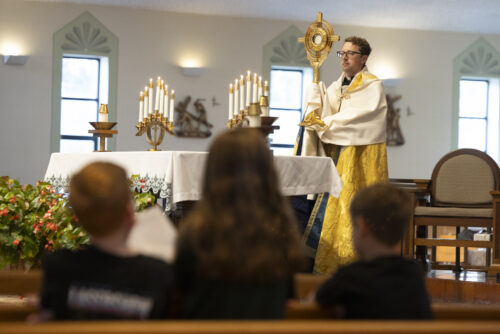
Vocations awareness
Here are four ways any parish can build a culture supportive of vocations
Pray for vocations regularly: Examples include parish prayers for vocations, Holy Hours, Rosaries or including a brief vocations petition at every Mass.
Awareness through education: Help people understand what a vocation is, how priesthood and religious life fit into God’s plan and why parishes share responsibility for fostering them.
Engage with young people: Create opportunities for children and teens to encounter priests and religious, serve at the altar, attend retreats or conferences and hear real vocation stories.
Affirm those who have said “yes”: Adopt a seminarian, support your priests and religious sisters and brothers and make visible gestures of gratitude and encouragement with seminarians, priests and religious.
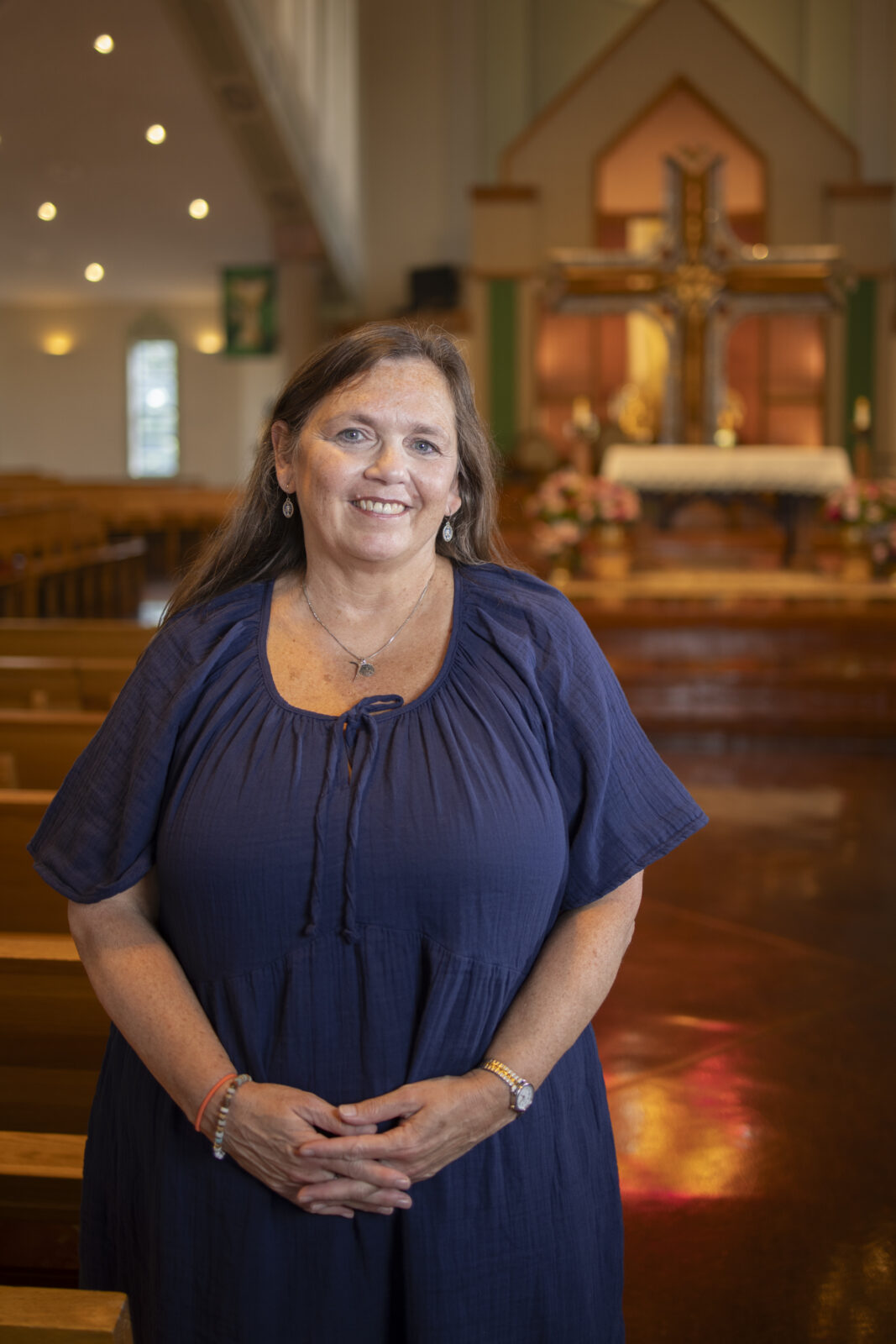
— Teresa Laugeman, Immaculate Conception Parish in Dardenne Prairie
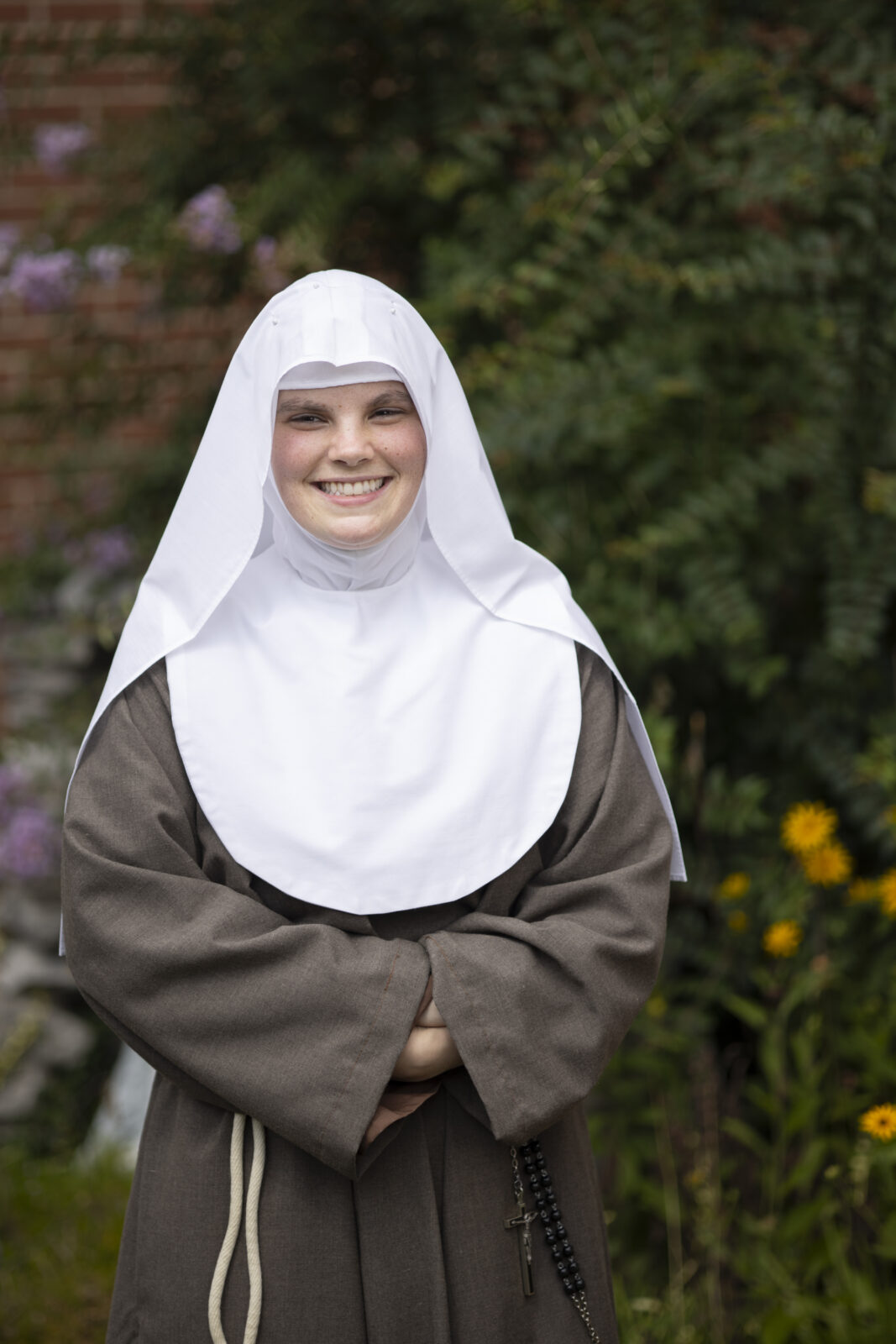
— Sister Mary Bethany, Poor Clare nun who grew up in St. Paul Parish in St. Paul
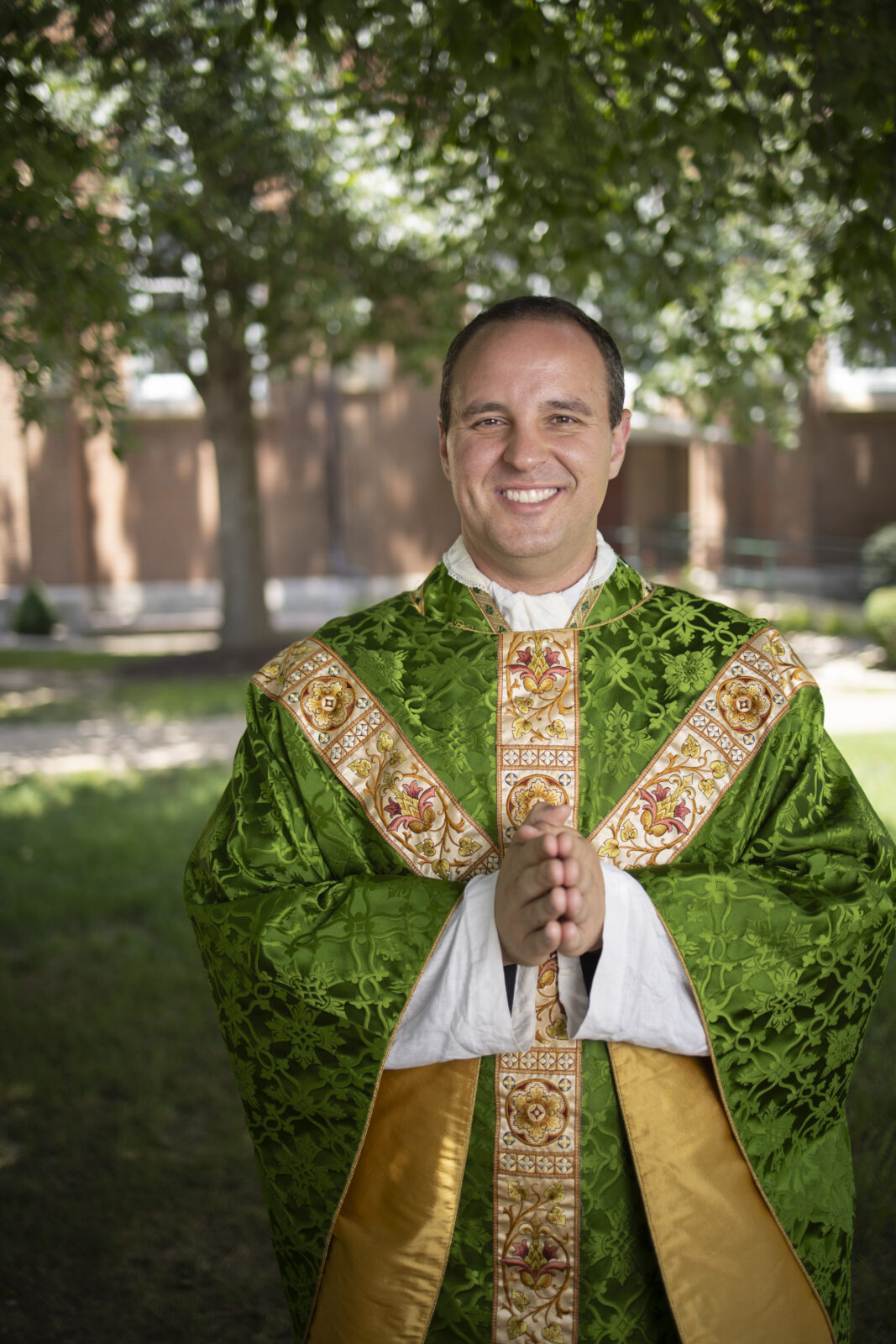
— Father John Schneier, archdiocesan priest who grew up in St. Ferdinand Parish
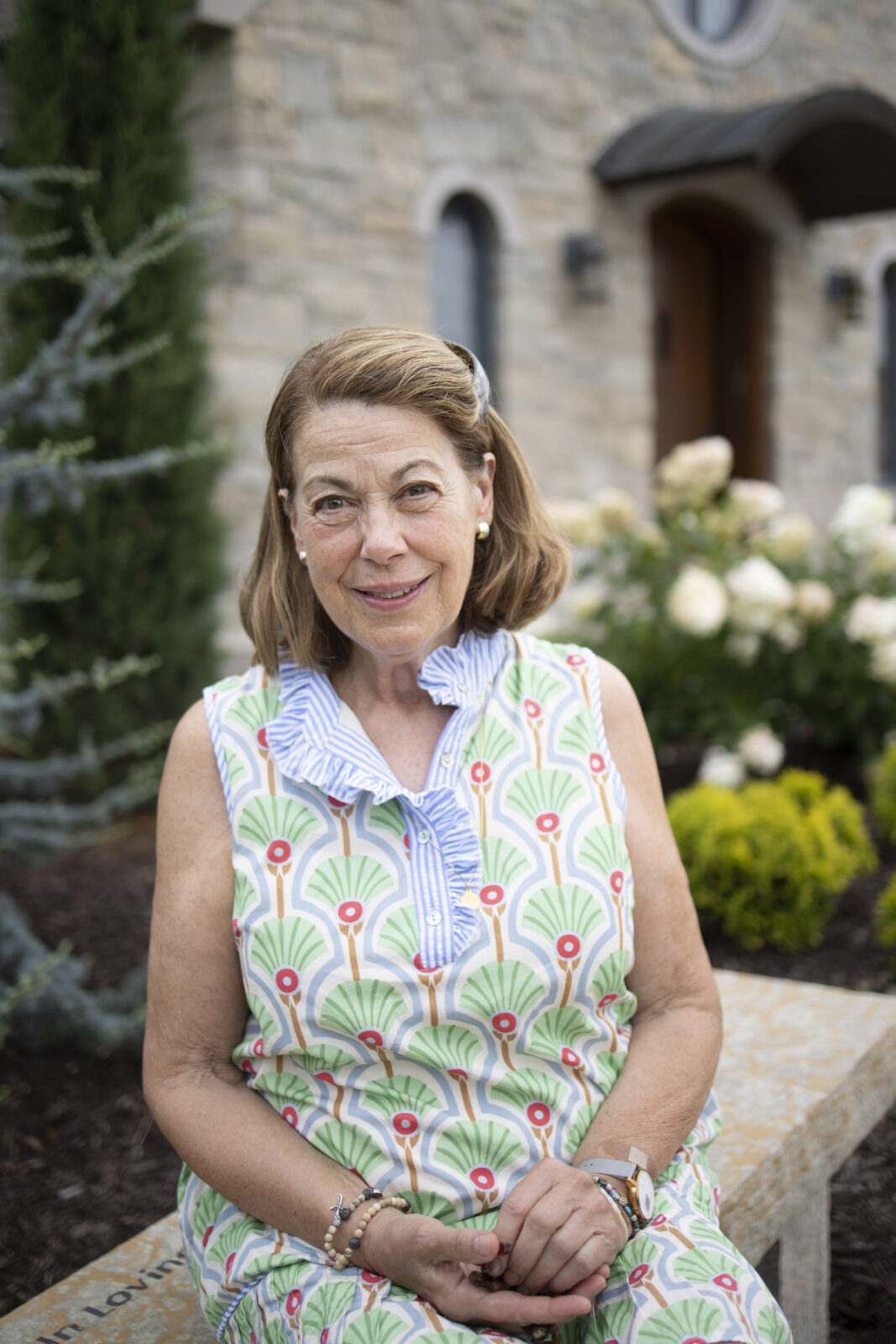
— Jeanne Fluri, St. Clement of Rome Parish in Des Peres
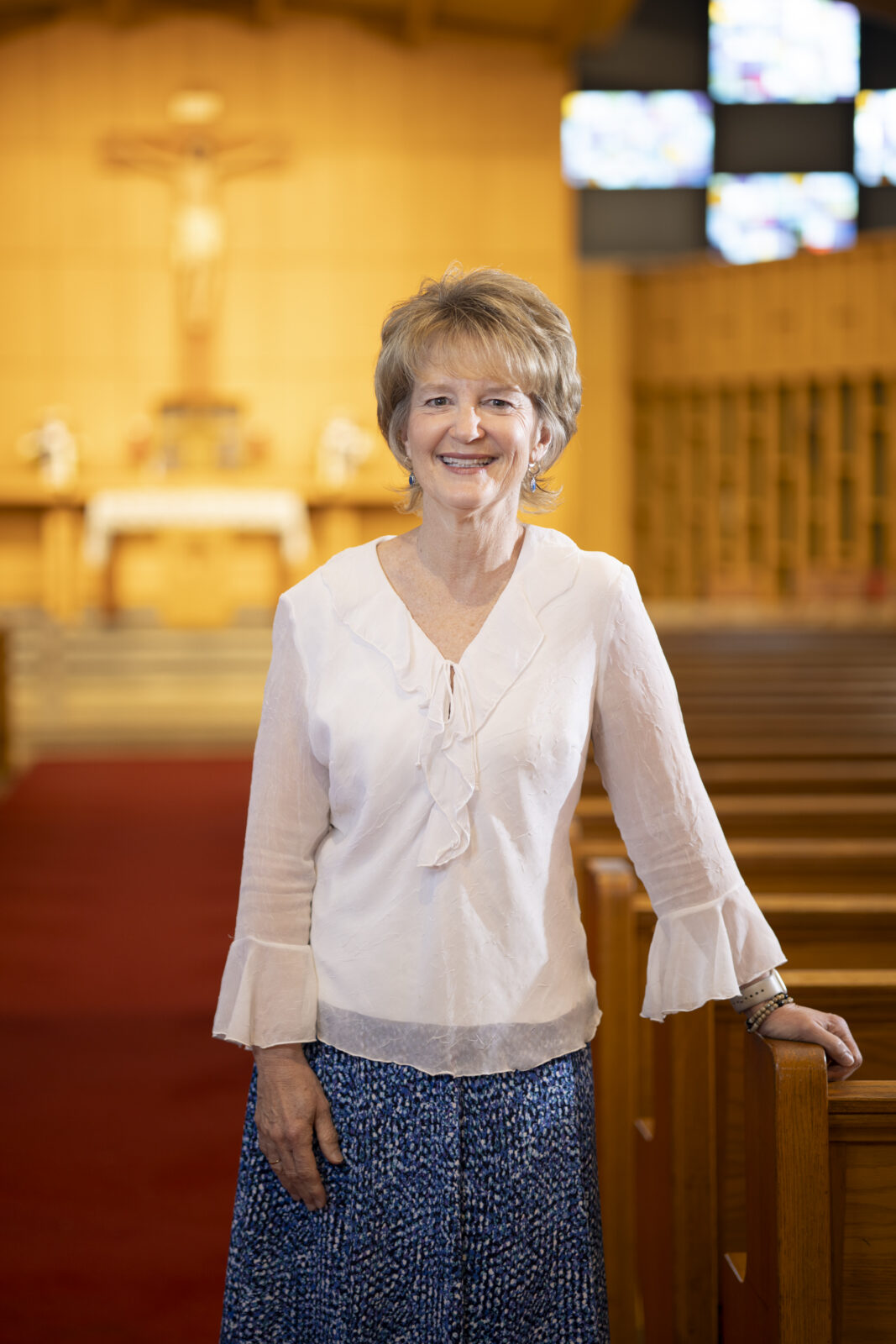
— Patty Schneier, St. Ferdinand Parish in Florissant
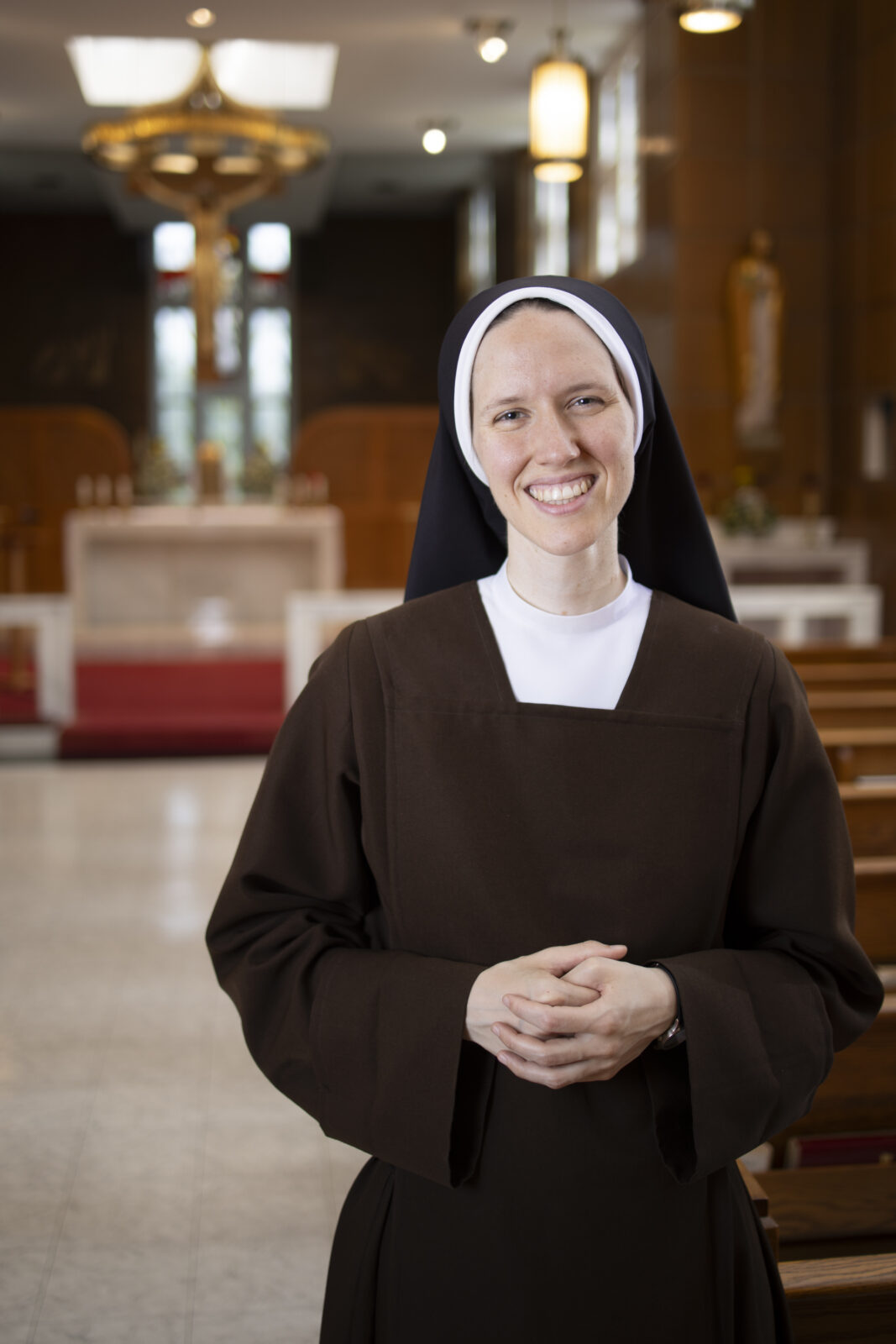
— Sister Maria Josefa, Carmelite Sister of the Divine Heart of Jesus who grew up in St. Clement of Rome Parish