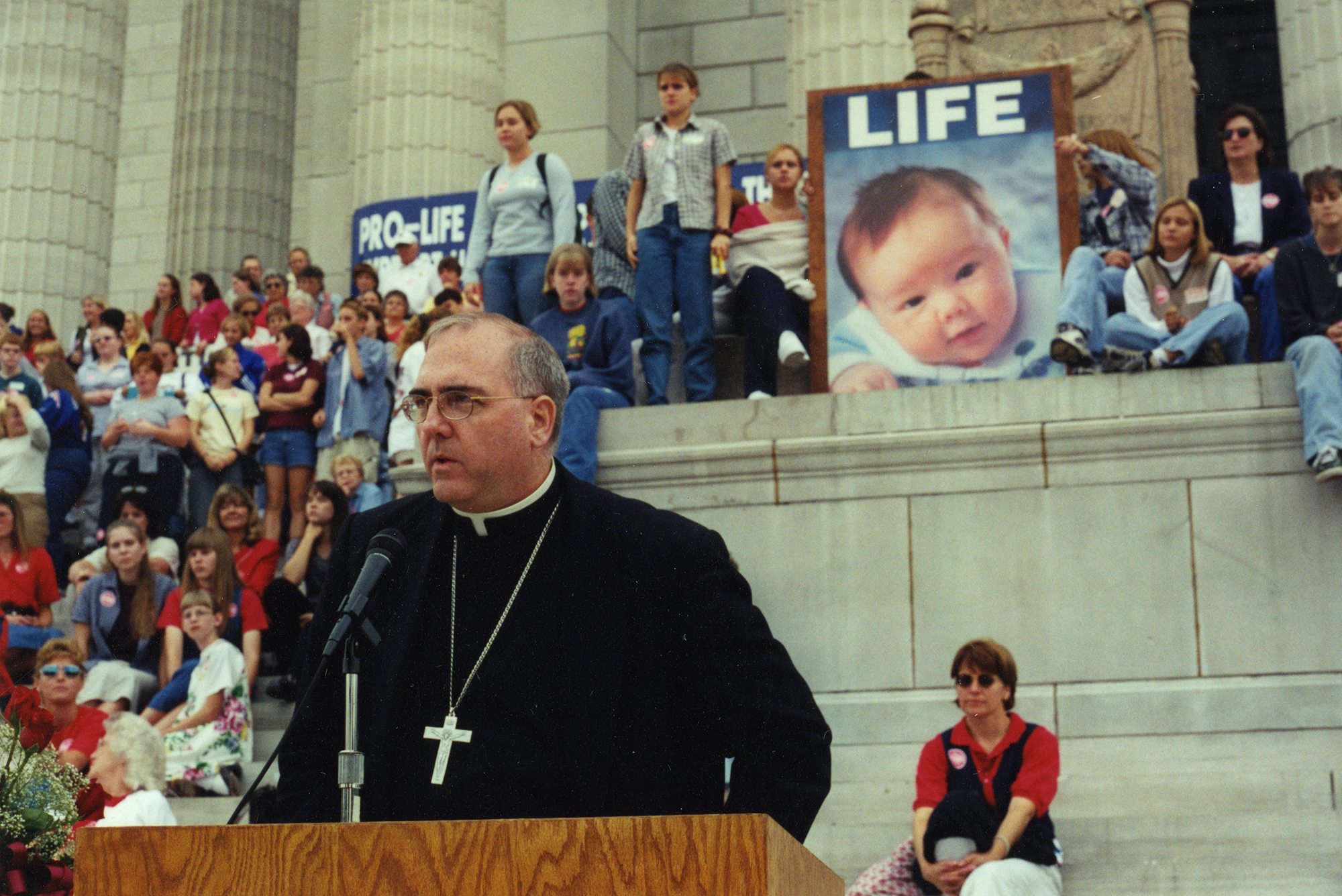
Retired archbishop to keynote Respect Life Apostolate’s Bicentennial Celebration Nov. 22
In 1984, Father Bob Boisaubin’s time as head of the archdiocesan Pro-Life Committee was ending and the search for a successor began.
Around that time, Archbishop John L. May had named a young priest, Father Joseph Naumann, as pastor of an inner city parish, Most Blessed Sacrament in the Wells-Goodfellow neighborhood of St. Louis. When the archbishop called him about the appointment, he said, “Oh, by the way, I want you to do pro-life work.”
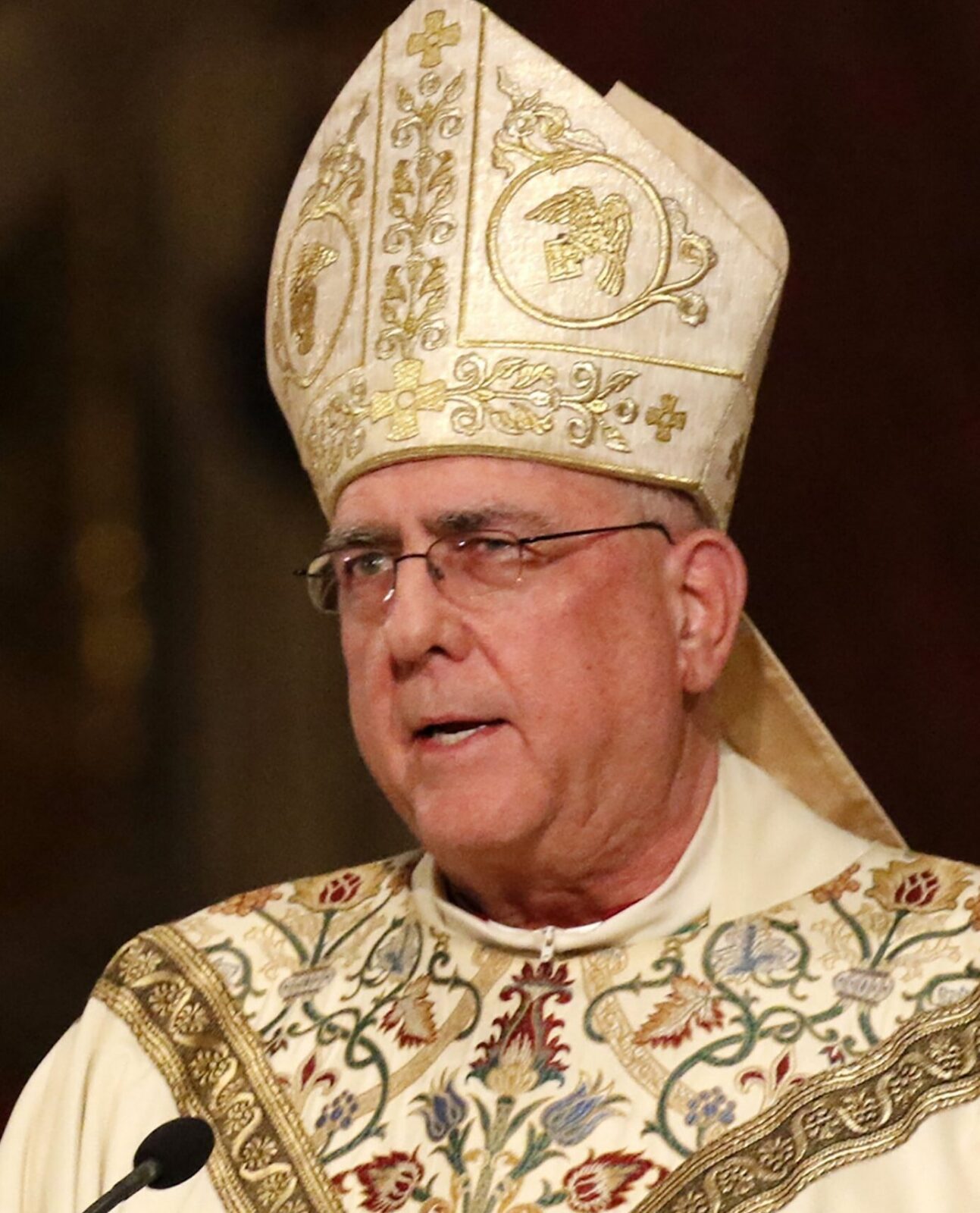
“I didn’t think I was very well qualified,” Archbishop Naumann recalled. “But he said, ‘you can learn.’”
For the next decade, Father Naumann led the Pro-Life Committee, the first diocesan committee of its kind when it was formed in 1973, alongside his role as Blessed Sacrament’s pastor. At the time, abortions in Missouri were near a peak, with more than 20,000 annually being performed at more than two dozen clinics in the state. Catholics and others regularly demonstrated outside clinics.
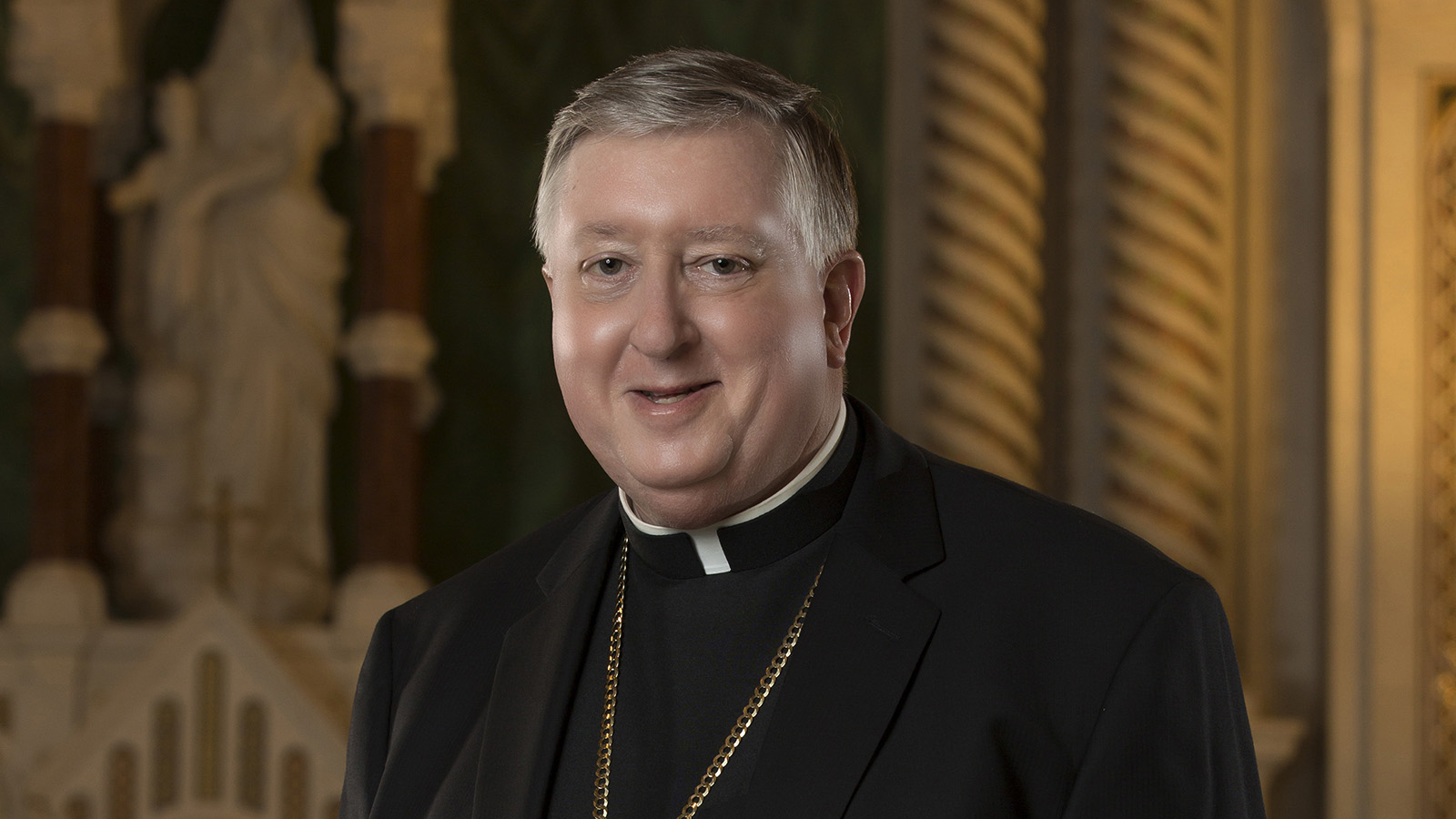
More than four decades later, Archbishop Naumann, who retired as archbishop of Kansas City, Kansas, in 2025, will be the keynote speaker at the Pro-Life Bicentennial Celebration on Nov. 22 in St. Louis. The celebration also marks 50 years since the first Respect Life Convention.
The dual role ended up being “a great blessing because I was able to work in both of these areas, which are protecting the dignity of the human person,” Archbishop Naumann said. “It was the same mission, just a different clientele, if you will. In the pro-life movement, you just meet extraordinary people who are willing to give of their energy, their time, their financial worth to try to not only protect children but to protect women from (this) tragedy.”
While the landscape of the pro-life movement has changed in the past 40-plus years — including a steady decline in procedural abortions and the number of clinics, the Dobbs decision that returned abortion-related legislation decisions to the states and the rise in at-home medication abortions — the committee’s core mission remains the same, Archbishop Naumann said.
From the pillars to changing the culture
From the beginning, the work of the committee, now called the Respect Life Apostolate, was built on four pillars: prayer, education, advocacy and pastoral care, including support for pregnant and parenting women and healing for people affected by abortion, he said. The goal wasn’t only to change laws but to accompany people and shape a culture of life, the archbishop said.
By the mid-1980s, the movement was working amid a larger network of abortion clinics and with hopes for changes to public policy. Archbishop Naumann described the challenges with the culture — generations have grown up with legalized abortion, and a court or policy change alone won’t change public understanding, he said. He also pointed to the rise in medication abortions, making abortion possible beyond a traditional clinic setting and complicating the work of state legislation focuses on health and safety protections.
While the overturning of Roe v. Wade was a victory for the pro-life movement, the culture had changed dramatically in those 50 years, Archbishop Naumann said. “We had whole generations that had grown up with legalized abortion and had become convinced that it was necessary for their well-being to be able to kill our own children,” he said. “(St.) John Paul II had always said that culture is more important than politics, because the politics will reflect the culture. I think one of the things we know today is how important it is to continue our efforts educationally, but also to change a culture, a society.”
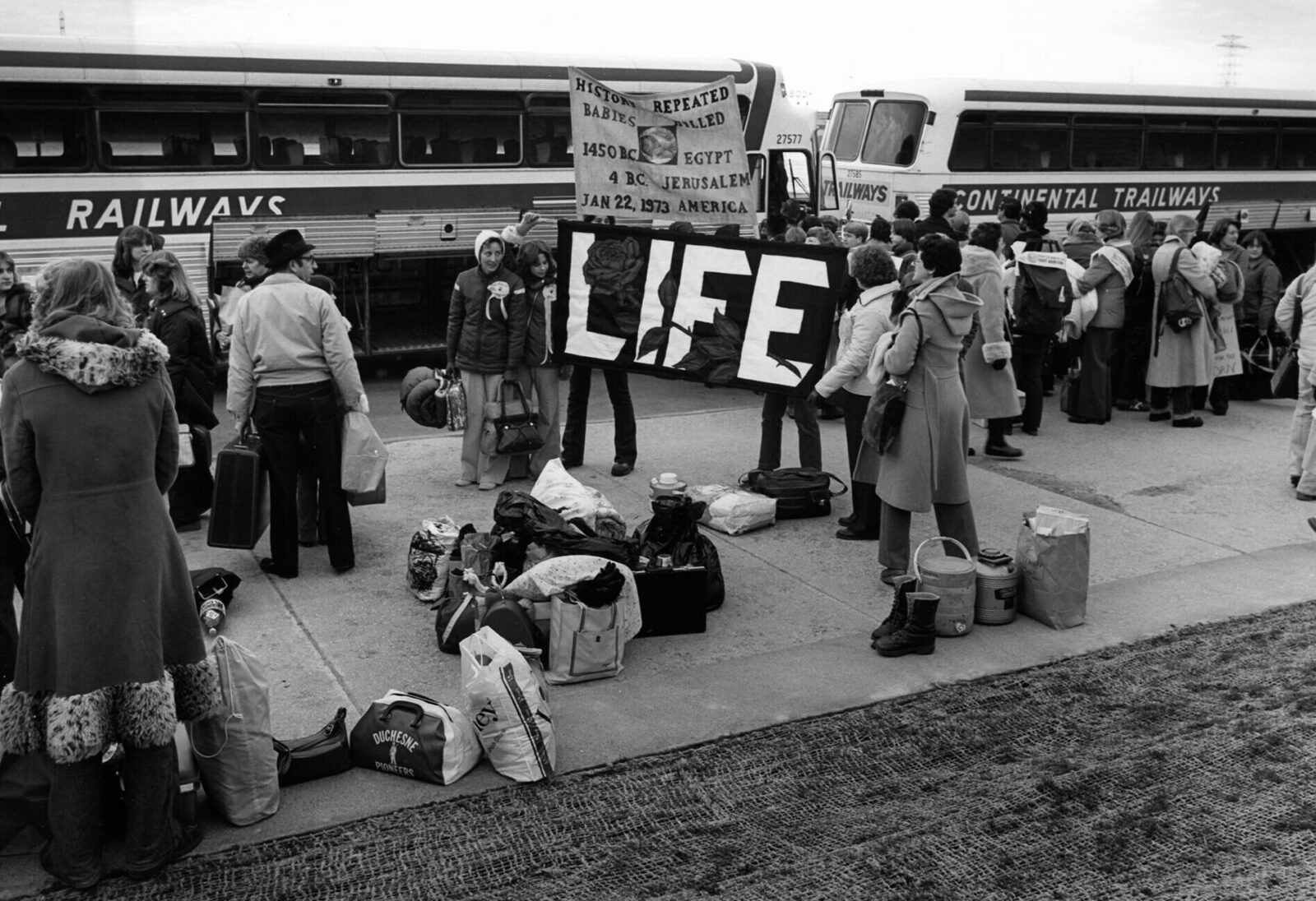
Abortion protesters prepared for a demonstration in St. Louis County in 1973.
Healing after abortion
During his tenure with the Pro-Life Committee, the archdiocese launched Project Rachel in 1986, becoming one of the first dioceses in the country to offer a ministry that provided spiritual care to women who had experienced an abortion.
Project Rachel connects people with trained counselors and priests to offer spiritual care and the sacraments, including the sacrament of reconciliation. Archbishop Naumann said the ministry was important because some people believed abortion was an unforgivable sin, but he stressed that the Church’s response needed to communicate mercy and support healing.
“There’s no sin that we can commit that’s greater than God’s mercy,” he said. “The only thing that is unforgivable is that we don’t think we need forgiveness. It was really good for our priests, too, because I think it convicted them more and more as they walked with women who had had abortions to see it’s not just the child who loses his or her life, but these women bear great emotional and spiritual scars, and to do all that we could do to bring healing there.”
Project Rachel remains a cornerstone of the Respect Life Apostolate’s Abortion Healing Ministry, but it has since expanded to include one-on-one pastoral care, support groups and spiritual direction and healing prayer, as well as Project Joseph, which supports men seeking healing after abortion.
He also saw how abortion was affecting Catholics in the pews. In January 1985, after preaching on abortion in a homily, a woman approached Father Naumann after Mass and asked to set up a meeting with him. She shared with him she’d had an abortion and never disclosed to her family that the father of her child abandoned her afterward.
“She was a successful professional woman, but she had never married,” he said. “She’d be at family gatherings, and she’d see her nieces and nephews, and she’d wonder what her kid would have been like at their age and stage. That was a wake-up call for me. We know statistically that in any congregation of any significant size, there are people in that congregation who have been touched by abortion, so I think our preaching has to be aware of that.”
Walking with Moms in Need
As chair of the U.S. bishops’ Pro-Life Committee from 2018-21, Archbishop Naumann asked how the Church could strengthen pastoral care for pregnant women. With the possibility that Roe v. Wade might be overturned, the committee saw a need to prepare — but he also noted that the work was important regardless of the legal outcome.
On Jan. 22, 2020, Archbishop Naumann announced the launch of Walking with Moms in Need, which encourages parishes and dioceses to identify existing community resources, connect women with pregnancy resource centers and other support and address gaps where more help is needed. The goal was to help each parish become a point of connection and support.
“What we can’t do with public policy right now, we can do with love and compassion,” he said. “The idea was to … ask every parish, every diocese, to review what are the resources available. So a parishioner comes that has an untimely pregnancy, or perhaps more likely, somebody comes who has a friend, who has a relative, that we can direct them to the very best resources that are available.”
Archbishop Naumann’s own family history is part of how he talks about the issue. His father, Fred, was murdered at work on Dec. 18, 1948, when his mother was three months pregnant with him. His mother, Louise, never remarried, and she worked as an elementary school teacher while raising Joseph and his older brother.
Archbishop Naumann said he saw how hard his mother struggled to provide for the family without his father. He also said that single mothers should be supported by a community of faith, just as his mother was.
“How can we as a Church help to fill those gaps?” he said. “Whether to start pregnancy resource centers where there aren’t any, or how can we take those resources that are there, but then our parishes become allies with the crisis pregnancy centers? In Kansas City, Kansas, our pregnancy resource centers now know that they can approach our parishes and say, ‘We’ve got a client with these needs. Can you help us?’”
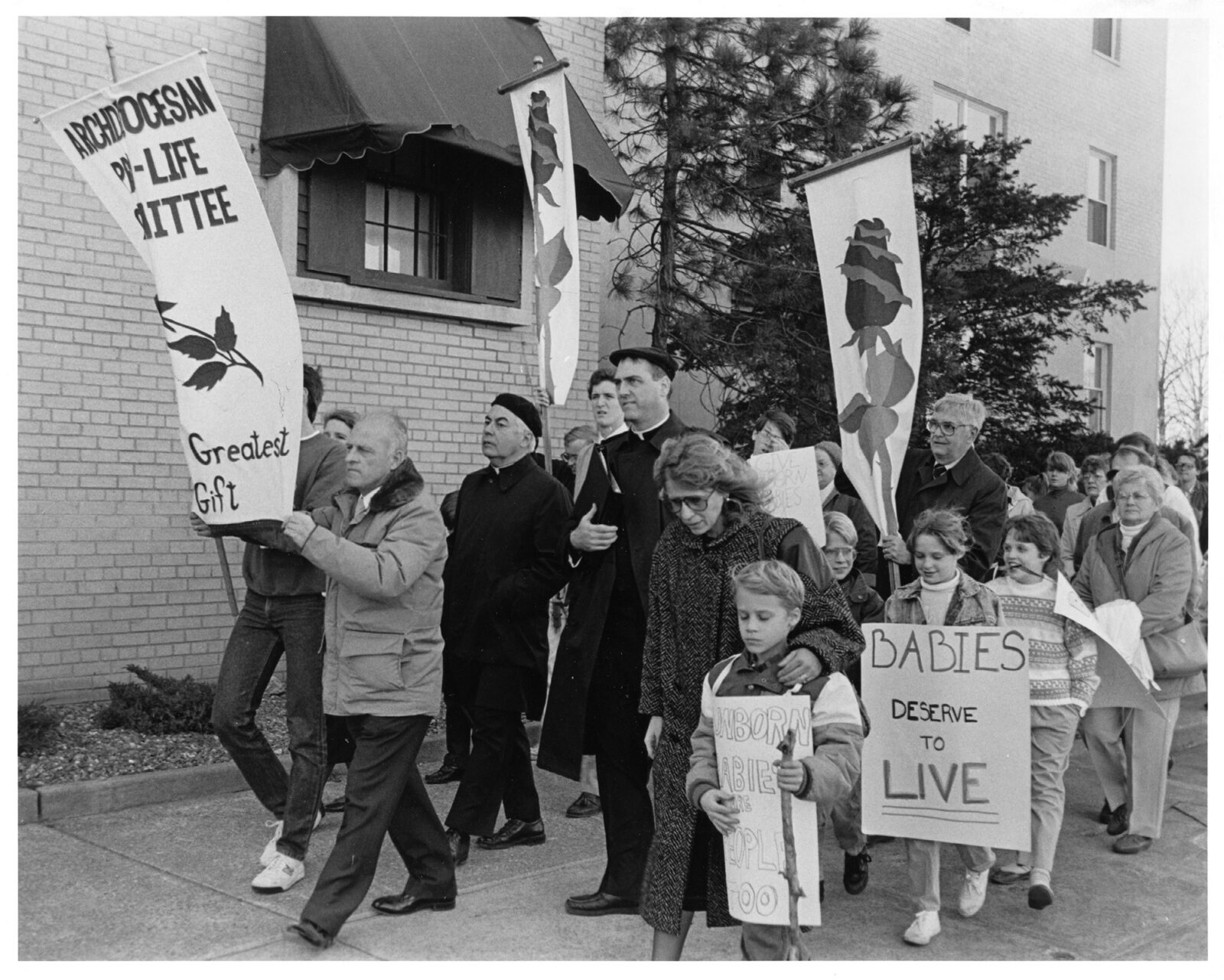
Then-Father Joseph Naumann, center, participated in the Pro-Life March on Jan. 22, 1989. Father Naumann led the archdiocesan Pro-Life Committee from 1984-95.
Pro-Life Bicentennial Celebration
The archdiocesan Respect Life Apostolate will host the Archdiocese of St. Louis Pro-Life Bicentennial Celebration on Sunday, Nov. 22, at the Cardinal Rigali Center in Shrewsbury. Doors will open at 11 a.m., with Mass at 11:30 in the St. Vincent de Paul Chapel, followed by a luncheon reception and keynote address in the Fleur de Lis Room.
Archbishop Emeritus Joseph Naumann is the main celebrant for Mass and keynote presenter. As an archdiocesan priest in St. Louis, then-Father Naumann headed the archdiocesan Pro-Life Committee from 1984-95. During his tenure, he oversaw the start of Project Rachel, which continues today as the archdiocesan Abortion Healing Ministry.
In 1997, he was named an auxiliary bishop in St. Louis, and in 2005, he was installed as archbishop of Kansas City, Kansas. He also served as chairman of the U.S. bishops’ Secretariat for Pro-Life Activities from 2018-21. Under his national leadership, the Walking with Moms in Need initiative began as a parish-based initiative to increase support for pregnant and parenting mothers and their children.
Registration is free, but space is limited. To learn more or to register, visit bit.ly/RLA-Bicentennial2026.