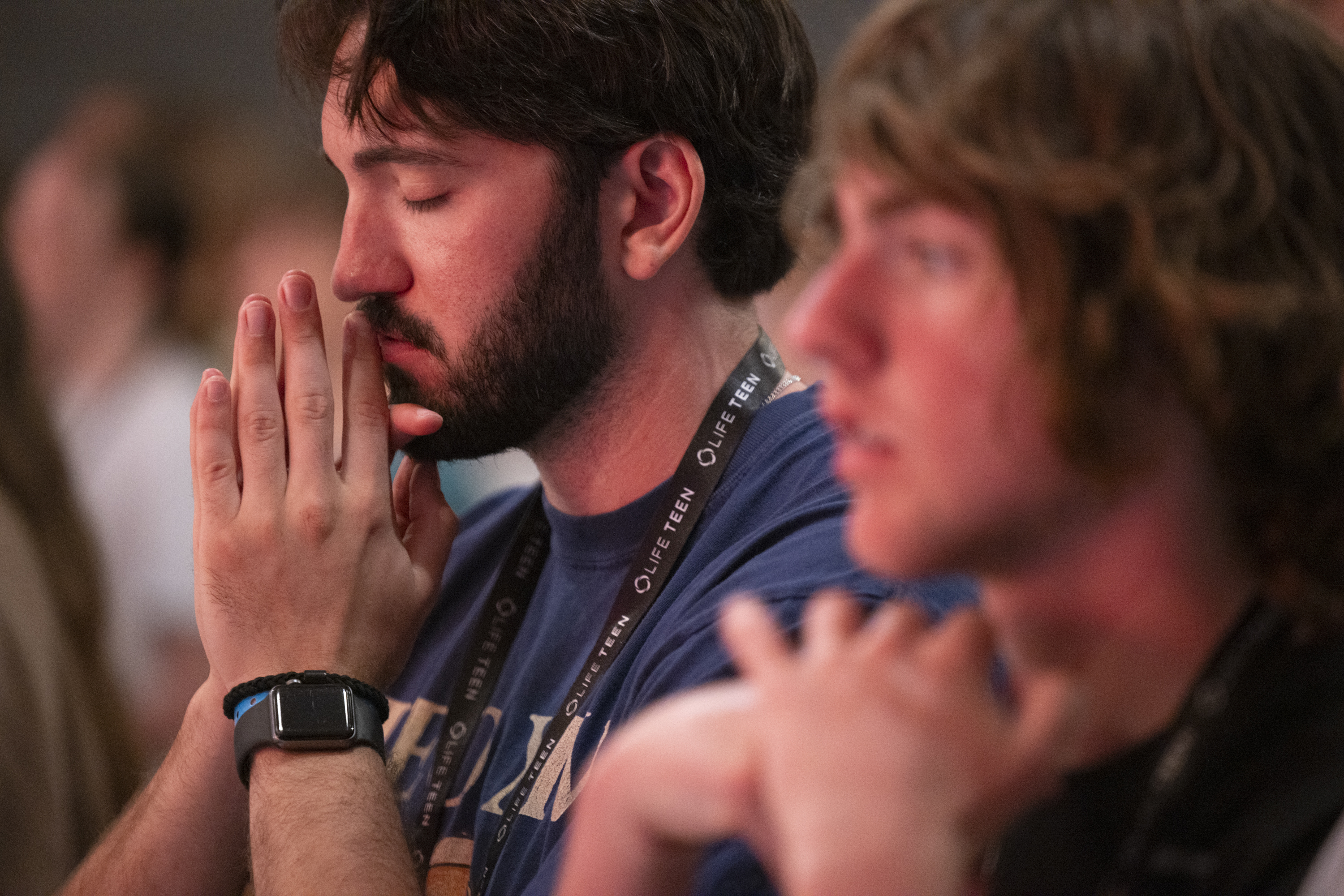
Accompaniment allows us to be attentive to where each person finds themselves before God and to respond accordingly
In the first three articles of our four-part evangelization series in conjunction with the Missionaries of Joy curriculum, we explored the missionary moment, message and model. God calls all the baptized to be missionary, yet that happens in a way particular to the current moment. While our evangelization efforts, therefore, adapt to the moment, the message remains the same: the Gospel Message of the Kingdom of God. As our model, Christ calls us to imitate and share life with Him. This process of conversion. As we connect with other disciples, encounter Christ, grow as His followers and are sent as His witnesses our levels of trust, openness and desire for God all grow.
This leads to part four: the method
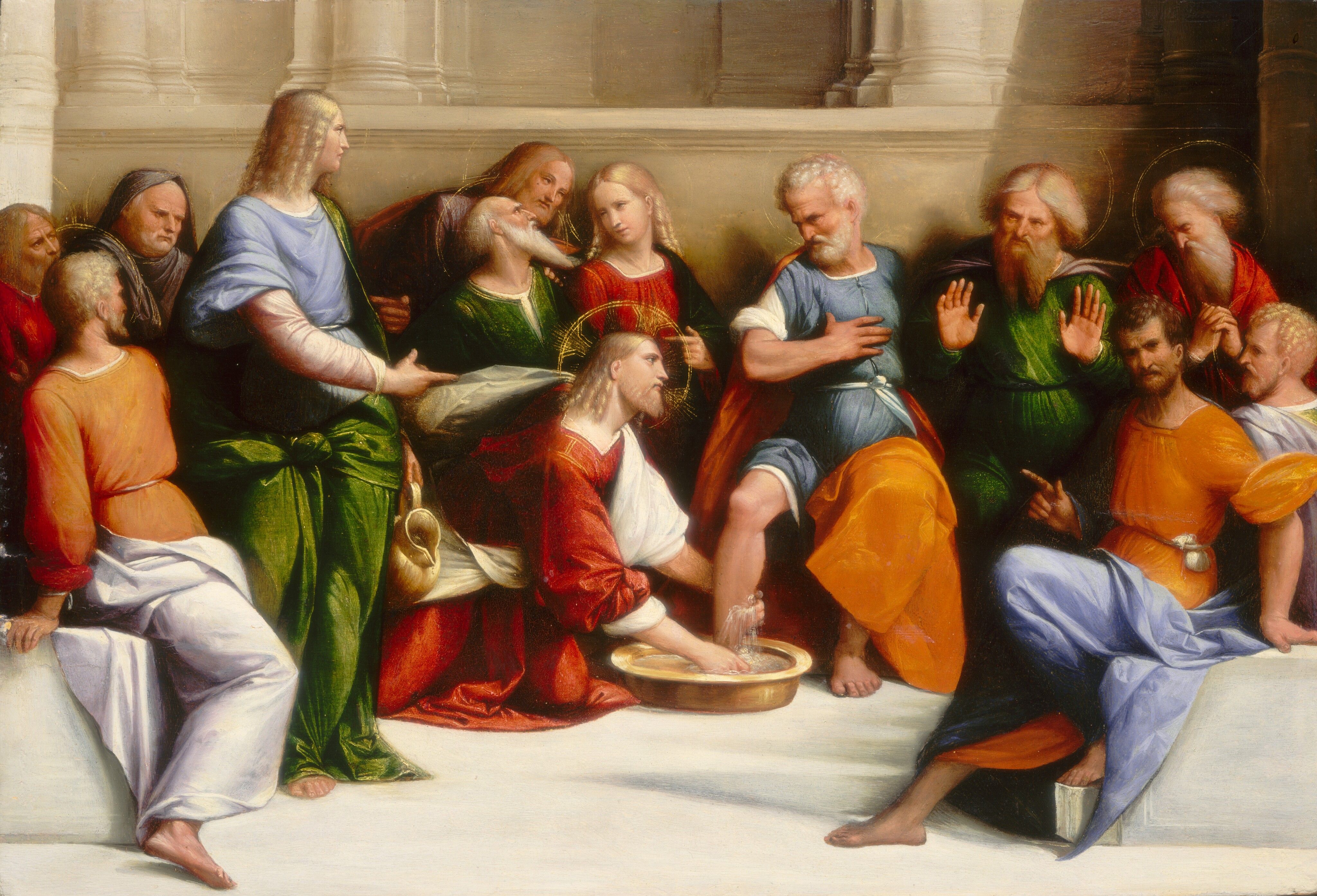
If Christ is our model, then His method of ministry should also be our method. If He “walks with” then we must “walk with.” A distinctive characteristic of Christ’s method is that He not only calls His disciples to follow Him, but He is actively part of that journey, leading and guiding in every step. We might call this style of ministry “accompaniment.”
Pope Francis, in “The Joy of the Gospel,” emphasized the importance of this method in saying the “Church will have to initiate everyone — priests, religious and laity — into this ‘art of accompaniment’” which “makes present the fragrance of Christ’s closeness and His personal gaze” (Evangelii Gaudium, 169). In a culture marred by loneliness and anonymity, accompaniment provides a desperately needed antidote: truly seeing and hearing the other in a way that is surprising and can change the heart. The New Testament is filled with the importance of seeing and hearing Christ, and our accompaniment helps open another to that reality.
Accompaniment allows us to be attentive to the place in which each person finds themselves before God and to respond accordingly. Often, our evangelization efforts can prioritize the parish’s timeline and needs above the individual’s. Take, for instance, an adult expressing potential interest in the Catholic faith who is told, “Sorry, OCIA started two weeks ago, please come back next year.” Or an active disciple who is newly excited about serving the Church but is quickly told, “Great, we need a third-grade catechist and it starts tomorrow!”
Accompaniment could look like asking: “What are your questions about Catholicism? Do you have anyone to talk to the faith about? Would you like to meet with someone on our adult formation team and share about your experience?” or “What type of ministry interests and excites you? Have you ever considered the gifts God has given you?”
The art of true listening is one of the best tools we have to help us understand where a person is and be actively part of their journey. Christ the Good Shepherd is described as one who “hears the voice of His sheep.” The Gospels are filled with stories of Jesus actually asking individuals several rounds of questions before He got around to actually teaching them. In fact, the first thing Jesus ever said to His disciples was actually a question: “What do you seek?”
True listening tells the other that we aren’t bystanders who are more interested in the content or program than them as people. It is actually by understanding what God is doing in their lives that we can better help them encounter His voice, experience conversion and grow in their relationship with Him. Listening is the first movement but not the last. It involves the courage to also invite or challenge a person to go deeper.
We see all these movements in the Road to Emmaus Gospel passage. In the midst of their post-crucifixion grief and confusion, the two disciples were walking and talking. Jesus “drew near and walked with them.” He asked three rounds of questions before opening up the Scriptures and then sharing the Eucharist. In those moments, He also invited the disciples to redirect their journey, and they returned to Jerusalem — the very place they were fleeing — where the other disciples were. The end result of their journey is a key to accompaniment: It creates authentic community.
It is in community where ongoing accompaniment really happens. With big parishes and busy schedules, we can sometimes pass through Sunday Mass after Mass without making real and deep connections. Alternatively, community provides a space of true belonging, where we can experience authenticity, vulnerability, support, accountability and many other virtues that we sincerely long for and are needed to grow as disciples.
Keep in mind God is a community of Three Persons, and Christ never called His disciples alone. The beginning of Acts of the Apostles describes the initial phases of the community that was “one heart and mind”: They learned together, celebrated together and prayed together. We can also imitate this divine call by making our parishes beacons of healthy community life, sometimes in large groups, sometimes small, which shine out to others and make the Catholic life attractive.
The art of accompaniment
Here are some suggested questions to ask as you walk alongside others who are coming to know Jesus, grow in relationship with Him and start living as missionary disciples. These questions progress as the person moves through the thresholds of conversion.
Who and what are the most important things in your life? Why?
What do you think truly satisfies people?
Do you believe there is a higher power? What do you think the higher power is?
What do you think will give you lasting happiness and peace?
If you could know God personally, would you want to?
Do you feel like God has a plan for you? What do you believe God created you for?
Are you OK if I pray with you about ____?
If Jesus is truly God, what do you think He wants from you?
Would you like to invite Jesus to be at the center of your life?
What do you need to leave behind to truly follow Jesus?
How is God calling you to go deeper in your relationship with Him?
Why do you feel called to share Jesus with others?
Who do you feel God is calling you to evangelize?