One of the first essential steps in growing in holiness is to be grateful and acknowledge the gifts in our lives
Jesus’ birth was at best a chaotic event. Having traveled a long way, Mary and Joseph found no accommodations and instead had to live in an animal shed. There, Jesus was born, and the Holy Family began to form.
Because of the political leader of their time, their family was in jeopardy. They no longer felt safe in their own homeland and had to flee to a foreign country. They became an involuntary refugee family. They found a safe place to stay until that political leader lost power and they were able to return. This feast is not simply a celebration of that historical family of Mary, Joseph and Jesus, but also a feast in which we are able to see our own holiness and our own family struggles.
On the feast of the Holy Family, we hear the family tree of Jesus in the Scriptures. That family tree is filled with absolutely wonderful people — and some scoundrels. It is filled with men and women, all children of God, each seeking to discover, recover or nurture the image of God in which they were made. Jesus’ family tree is very much like our own. As we celebrate this feast this weekend, it is an invitation to reflect on our own families and to seek to be more deeply involved in the development of our holiness.
One of the first essential steps in growing in holiness is to be grateful and to acknowledge the gifts present in our lives. Take a moment to remember the holy people we have been blessed to know. Take a journey in mind and heart through our ancestors.
For me, many of those who have gone before me have taught me how to pray, to serve others, and to reconcile in the midst of difficulties. I give thanks to God and I hope we all do as well for the gift of the holy people we have been blessed to know.
To be a holy family, we have to be realistic about the members of the clan to which we belong. In a very honest examination of our relationships, we will remember and understand that we are in good relationships with some and in terrible relationships with others. With some people in our families, we have lost hope and refuse to reconcile. We wait for someone else to take the first step, or we try to change other people’s behavior through manipulative tactics. We are asked to take on the same mind and heart of Jesus. He was able to look at those who would betray Him, abandon Him and nail Him to the cross and love them with His whole mind, heart and strength. What steps can each of us take in our own behavior to begin to love those we hate and include those we have excluded?
One of the essential characteristics of a holy family is its inclusivity rather than exclusivity. Even Jesus had to make sure that people understood that family was not just about blood, but about all human beings as brothers and sisters. To be that holy family, the kind that reaches out and includes those who are left behind, means we have to take steps to move into unusual or uncomfortable situations to come to know those who are different from us and who have been excluded from the privileges and blessings we have received.
We become the holy family that we are called to be by living, dying and rising as Jesus did. Nothing more and nothing less.
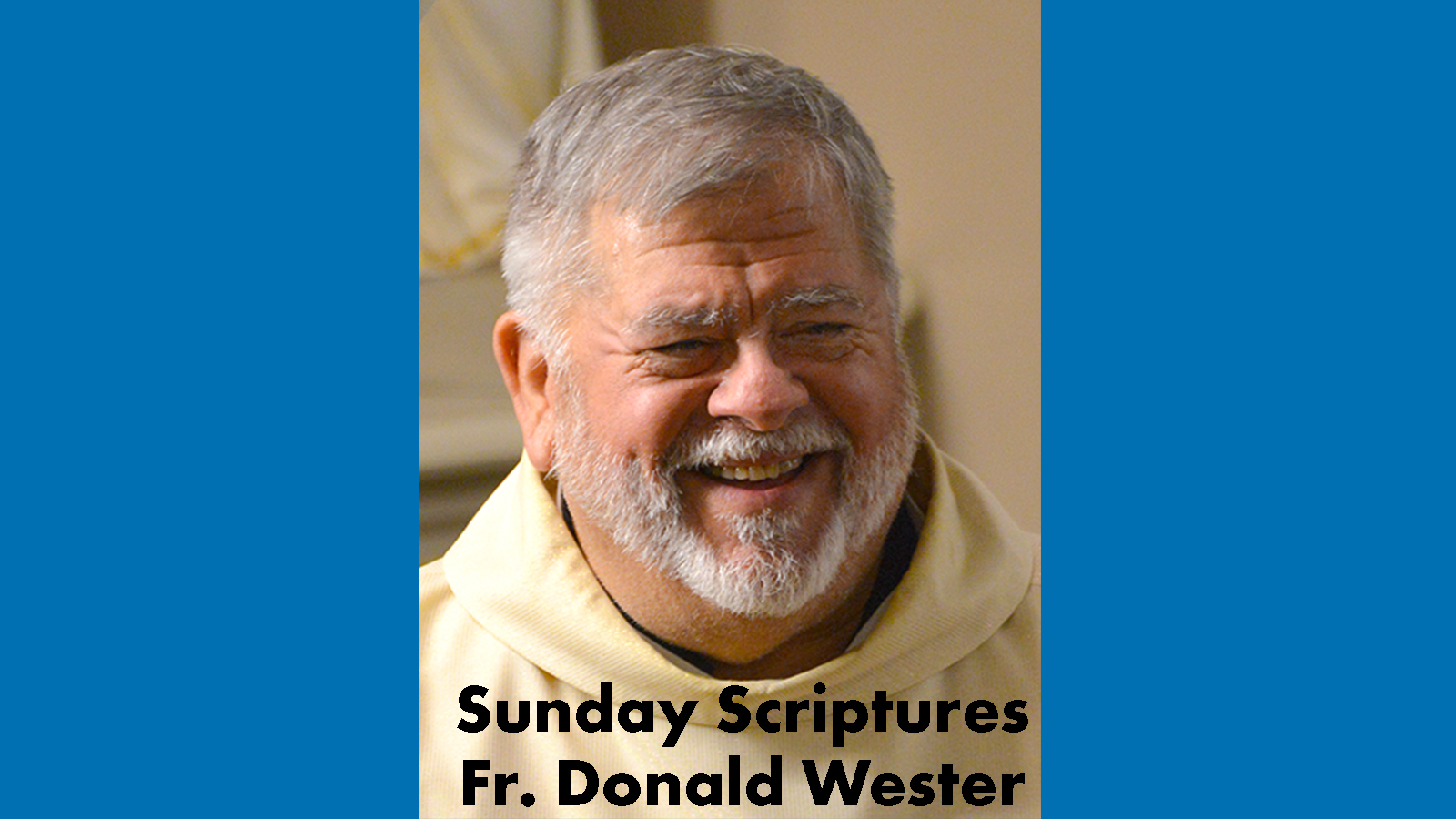
Father Donald Wester is retired and serves as lecturer of homiletics at Kenrick-Glennon Seminary.