The message of Jesus’ cross is that He wants us to be of one mind and one heart
Why do we skip over the hardest parts of Jesus’ preaching, simply follow the easiest teachings and consider ourselves good disciples? We can go to church every weekend, pray the Rosary, spend time in adoration and go to confession regularly, yet still empty Jesus’ cross of its meaning, as Paul reminds us in the Scriptures on the Third Sunday in Ordinary Time.
St. Paul was never one to mince his words, but this particular part of his letter is especially pointed and direct. If we stop and actually listen to it, it ought to convict every one of us of failing to be the kind of disciples Jesus wants us to be.
It says that we should be of one mind and one heart. Look around and take notice of how deeply we are divided. It doesn’t matter if you look at families, church, communities, nations, cities, the world or individual minds and hearts. We are a fractured people, which is exactly opposite of the meaning of the cross of Jesus Christ. One thing is clear about Jesus’ life and teachings: No group or individual is to be excluded from the kingdom of God.
God is the judge, not us.
In Jesus’ time, they had purity codes that Jesus went against. We still have them now. During Jesus’ time, there were divisions by economic class, and Jesus crossed those lines. We still have those divisions. In Jesus’ time, good religious people told others how they ought to pray or hold their hands, and He always stood by those who were excluded or judged. We have that happening right now. Within our own hearts and minds, we know that what lasts is God’s love for us, but we seek meaning in power, influence, position, status, money and more. A list of false securities that numb our true yearning for love in God.
The first step in becoming a more committed disciple of Jesus is to become conscious of the places in our lives where we are not doing what He asked us to do. Most of us are so unconscious of the bad choices that we are making that it is difficult for us to change. We live in a time when excluding those less fortunate, belittling those different from us, or using power over others has all become fashionable and acceptable. We take part in all of that all the time without even being aware of it; we might even excuse ourselves for acting that way because someone convinced us that we should be afraid of the other. The separations become more and more distinct and we surround ourselves only with those who agree with us. We are all sinners in need of God’s mercy. The only people that Jesus was unable to heal were those who were so self-righteous that they thought they knew better than Jesus. Arrogance and self-righteousness turn us away from the love of God. Fear and division are the tools of the devil, not of Jesus.
Since the first step in change is becoming conscious of our own sinfulness, the next step is always the choice to do something about it. We should build better habits of love to replace the habits of hatred and division. That doesn’t happen somewhere in the brain, but it happens through our bodies acting in a different way. We place ourselves in the presence of those we most fear. We go into those situations not because we pity people, but because they have something to teach us. We don’t have to agree with everybody to be able to learn from them. When we begin to act in that way, our hearts rejoice that we are on the path of life and not death, unity and not division. We are acting the way disciples of Jesus are supposed to act.
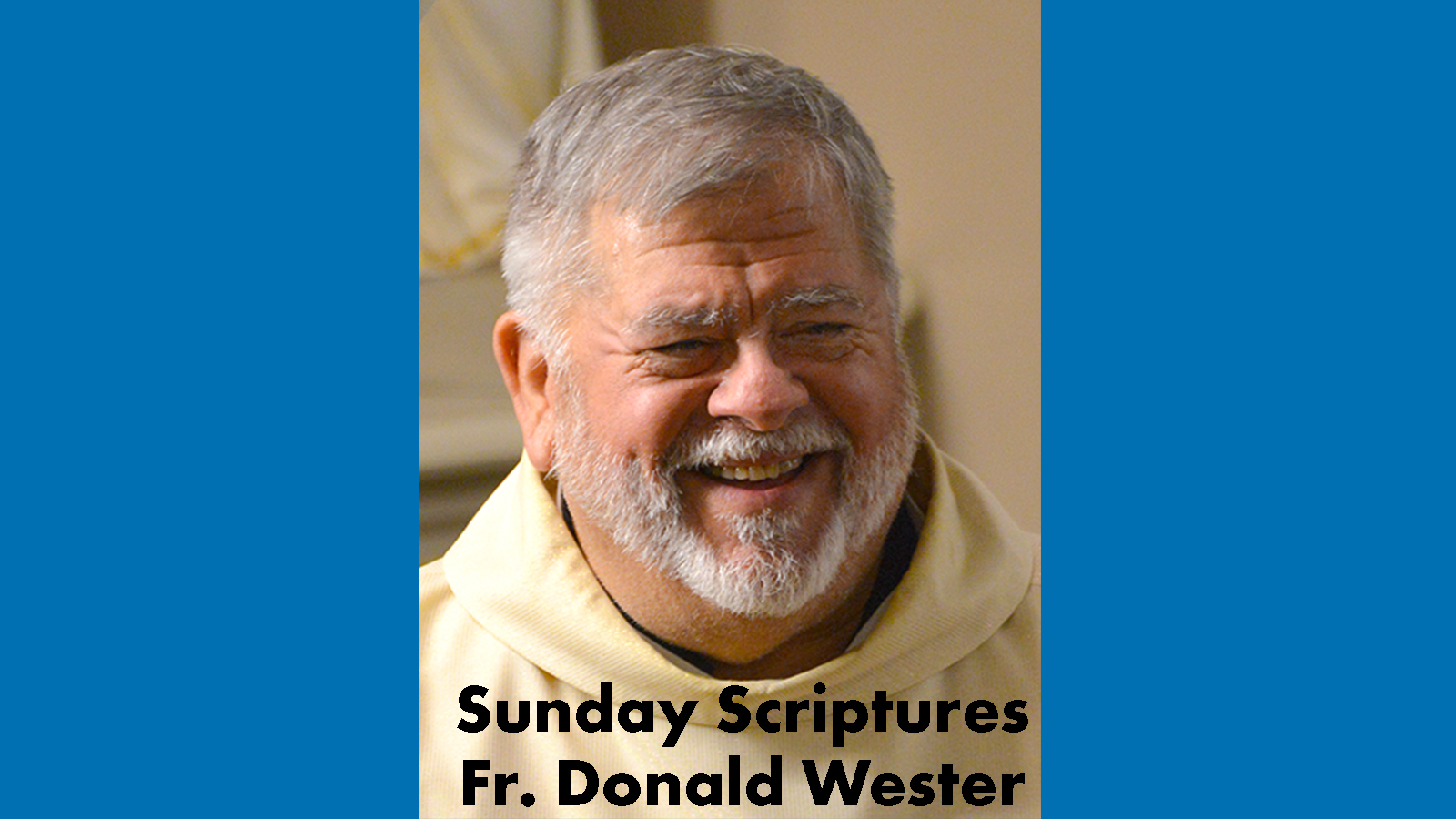
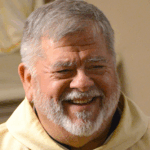
Father Donald Wester is retired and serves as lecturer of homiletics at Kenrick-Glennon Seminary.