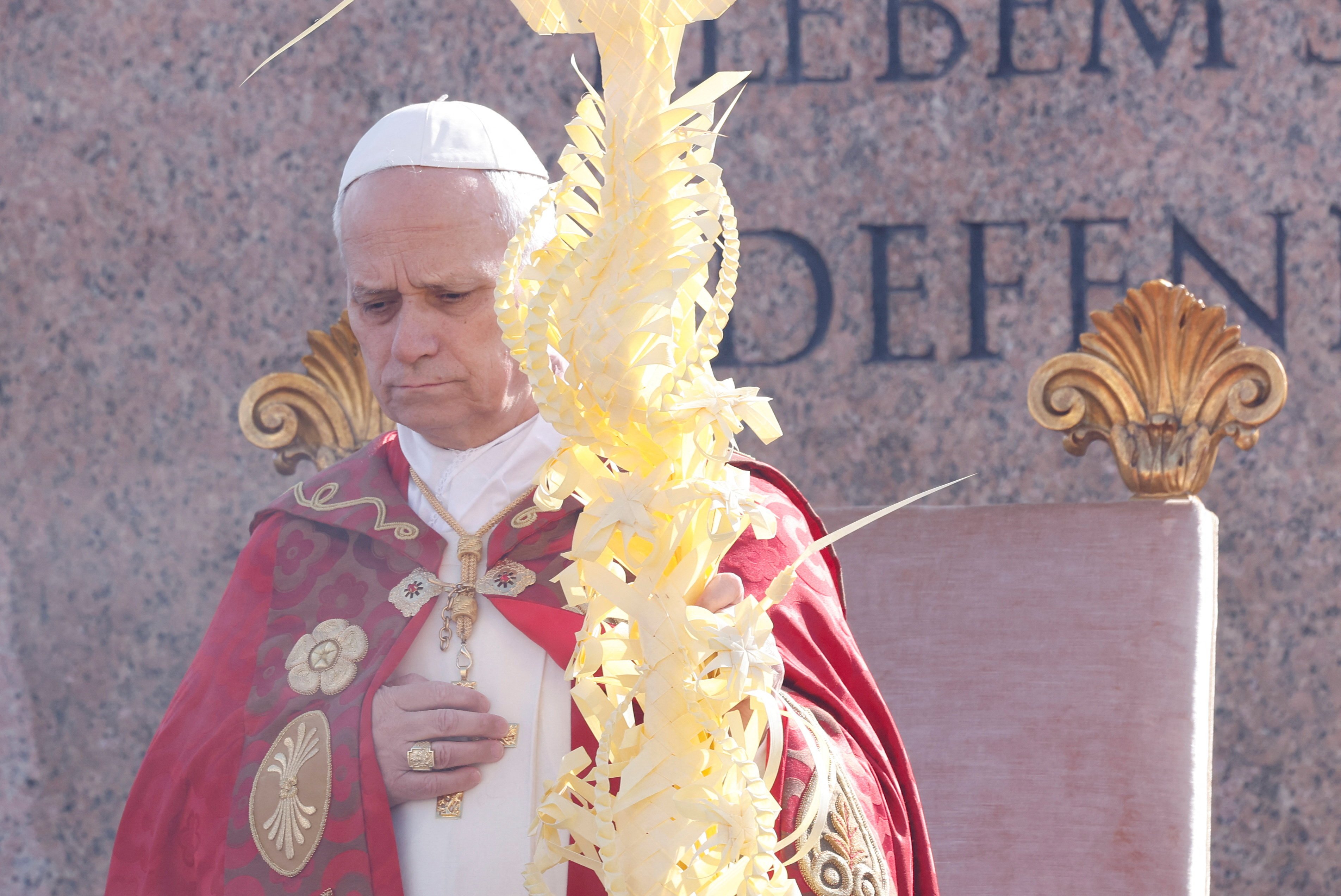
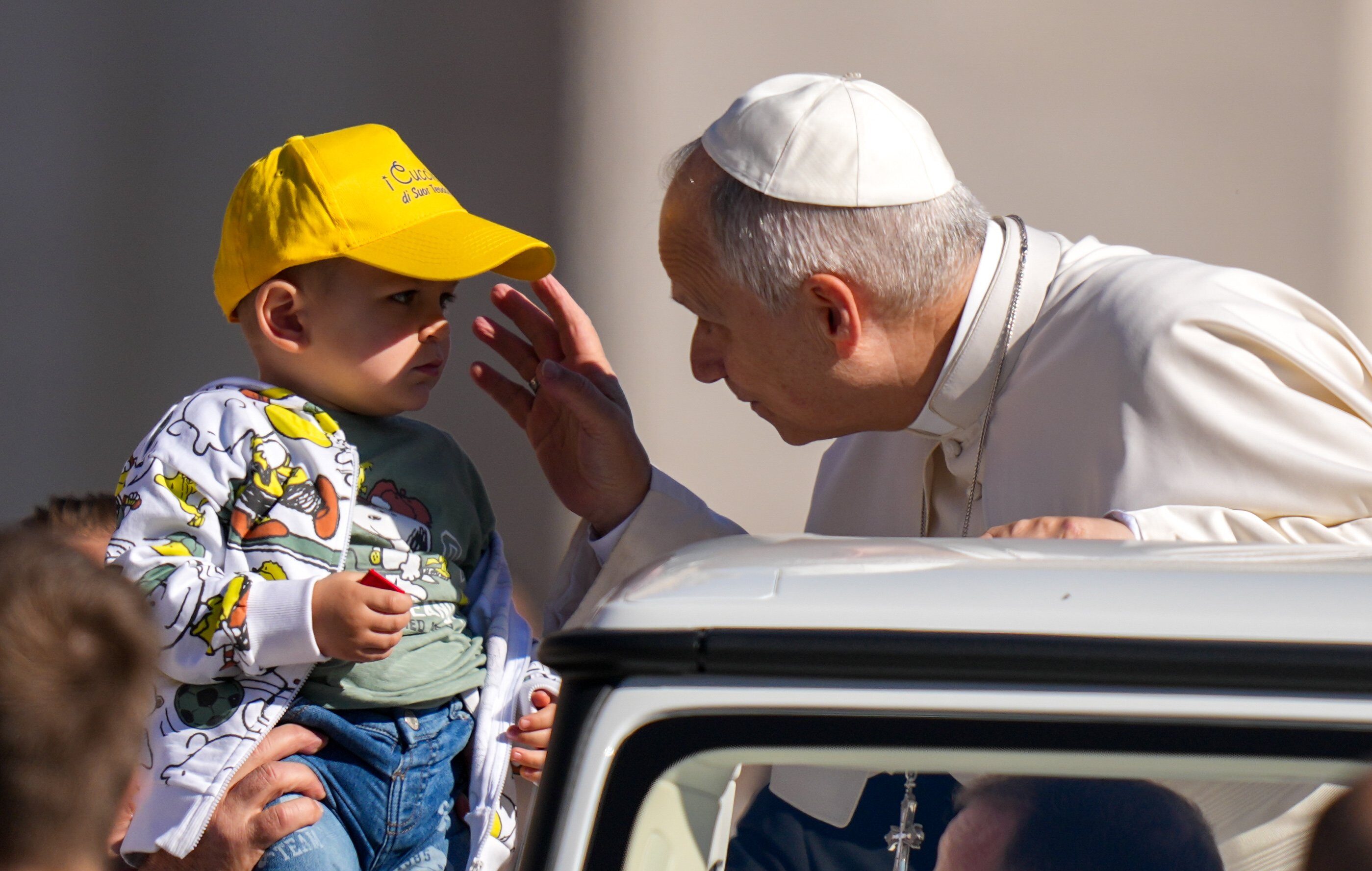
In his main catechesis talk, the pope continued his discussion on the Vatican II document ‘Lumen Gentium’
VATICAN CITY — Pope Leo XIV welcomed the newly announced ceasefire in the Middle East as “a sign of genuine hope” after what he described as “hours of extreme tension,” while urging a return to negotiations and calling the faithful to prayer.
“Only by returning to negotiations can the war be brought to an end,” he said in remarks in Italian following his April 8 general audience in St. Peter’s Square.
His comments came just hours after a two-week ceasefire was reached between Iran and the United States, narrowly averting further escalation. The agreement followed a stark warning from U.S. President Donald Trump late April 7, when he threatened to destroy Iran’s critical infrastructure, saying “a whole civilization will die tonight” if Tehran did not reopen the Strait of Hormuz to oil and gas tankers. The ceasefire was announced roughly two hours before the White House’s deadline.
Expanding on the broader implications of the conflict, he warned of a global economic crisis marked by “great instability,” which he said risks fueling further hatred, and he called on ordinary citizens to contact their political leaders to advocate for peace.
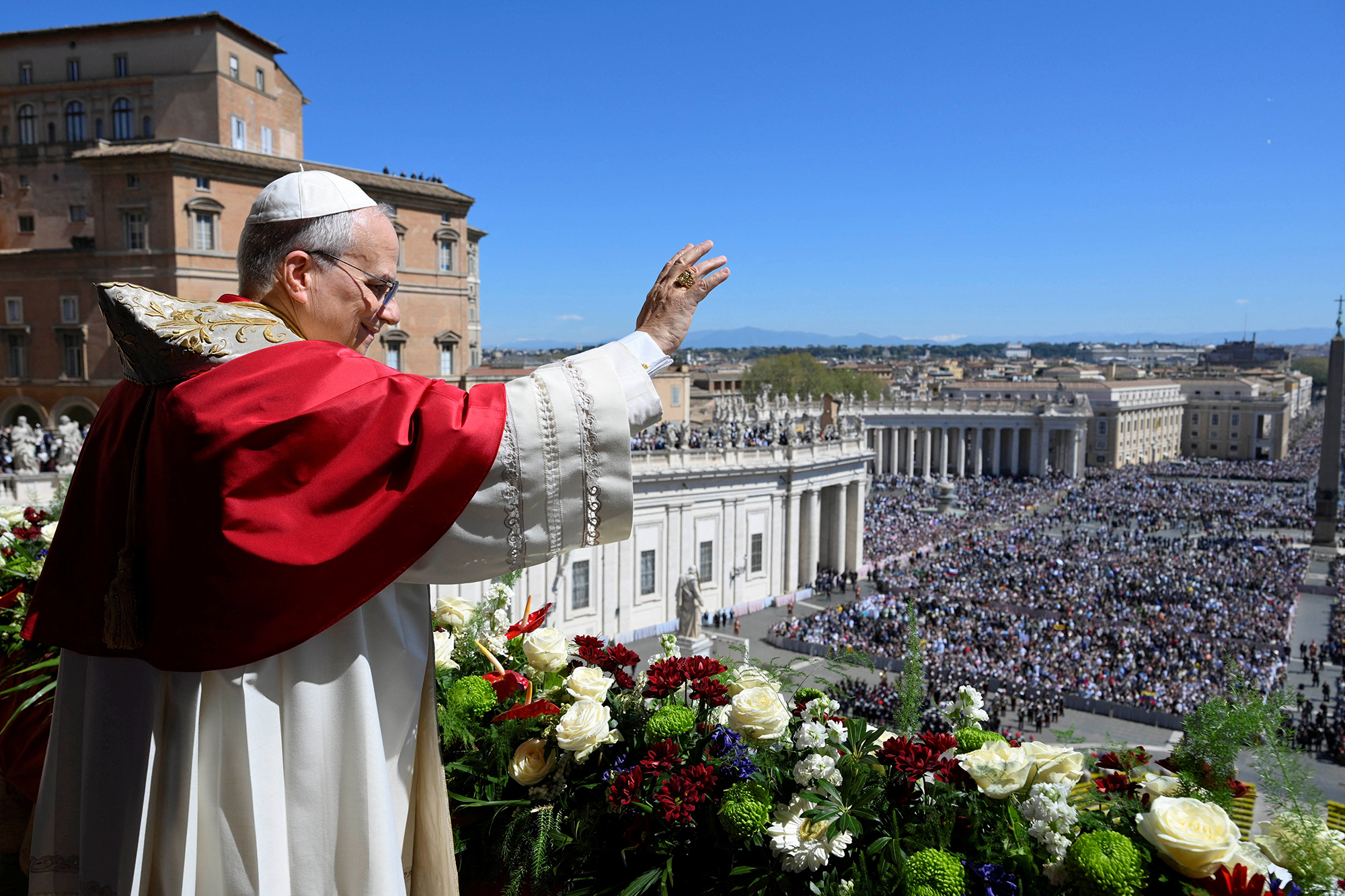
The pope also invited the faithful to join him in a prayer vigil for peace on April 11 in his general audience address. As flowers lined the steps of St. Peter’s Basilica during the Easter season, he used his main talk to reflect on holiness, emphasizing that it is a calling shared by all believers.
“Every baptized person is called to be holy; to live in God’s grace, to practice virtue and to become like Christ,” he said in his address to English speakers.
Continuing his series on the documents of the Second Vatican Council, he described charity as the foundation of holiness, “the fullness of love towards God and towards one’s neighbor,” and said its highest expression is martyrdom, calling it the “supreme witness of faith and charity.” He added that the sacraments, especially the Eucharist, sustain believers in this call.
He continued his analysis of the Dogmatic Constitution “Lumen Gentium,” specifically, the important role of consecrated life. “Indeed, signs of the Kingdom of God, already present in the mystery of the Church, are those evangelical counsels that shape every experience of consecrated life: poverty, chastity and obedience.
Poverty demonstrates “complete trust” in God — free of self-interest, obedience follows Christ’s “self-giving” offered to God, and chastity is the “gift of a heart that is whole and pure in love, at the service of God and Church.” The pope called these virtues a form of “radical discipleship.”
“These three virtues are not rules that shackle freedom, but liberating gifts of the Holy Spirit, through which some of the faithful are wholly consecrated to God,” he said.
Closing his main address, the pope said that Christ’s sacrifice makes holiness possible even in suffering.
“By contemplating this event, we know that there is no human experience that God does not redeem,” he said. “Even suffering, lived in union with the passion of the Lord, becomes a path of holiness.”