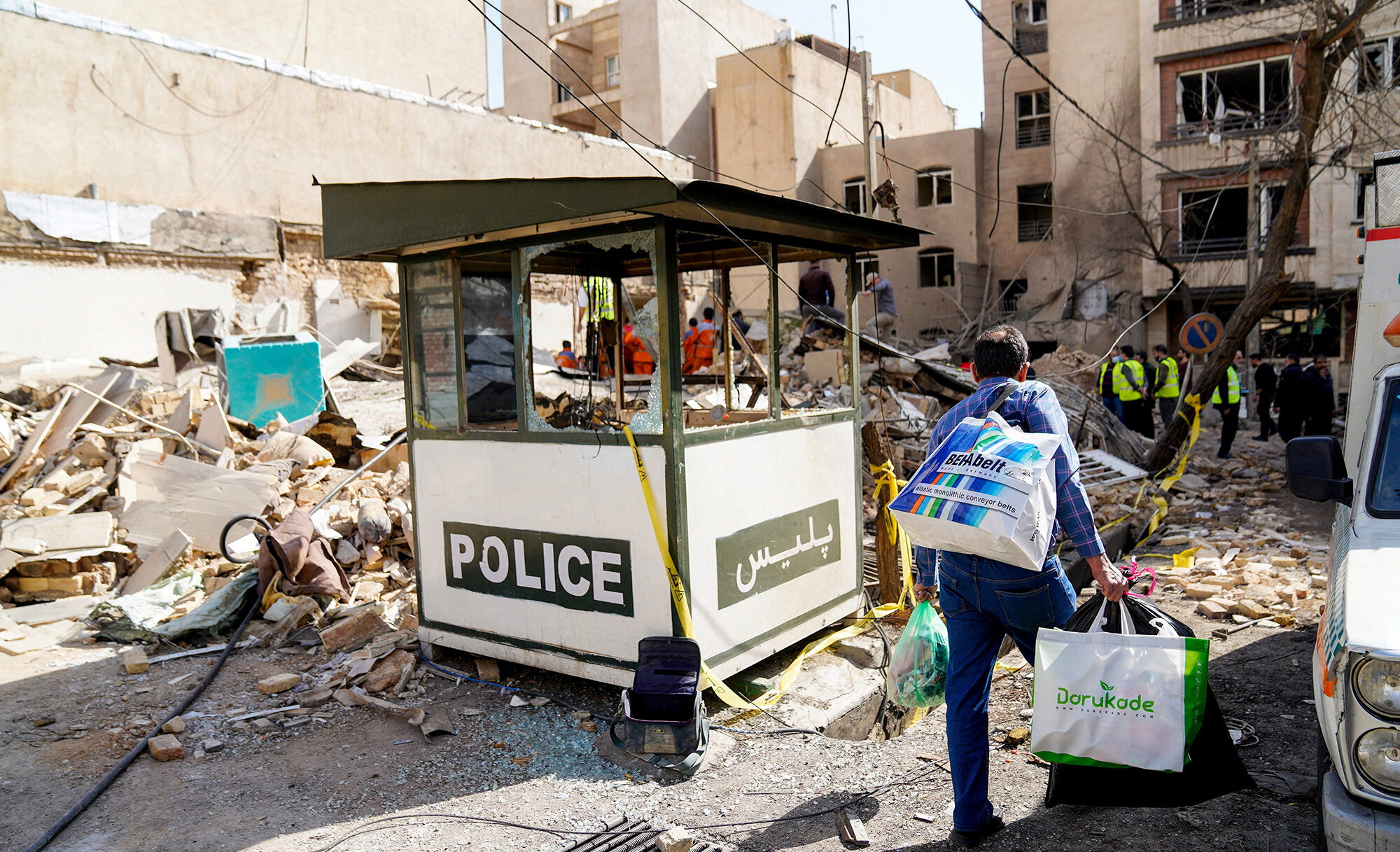
Iran’s supreme leader, Ayatollah Ali Khamenei, was killed in U.S. and Israeli strikes launched Feb. 28
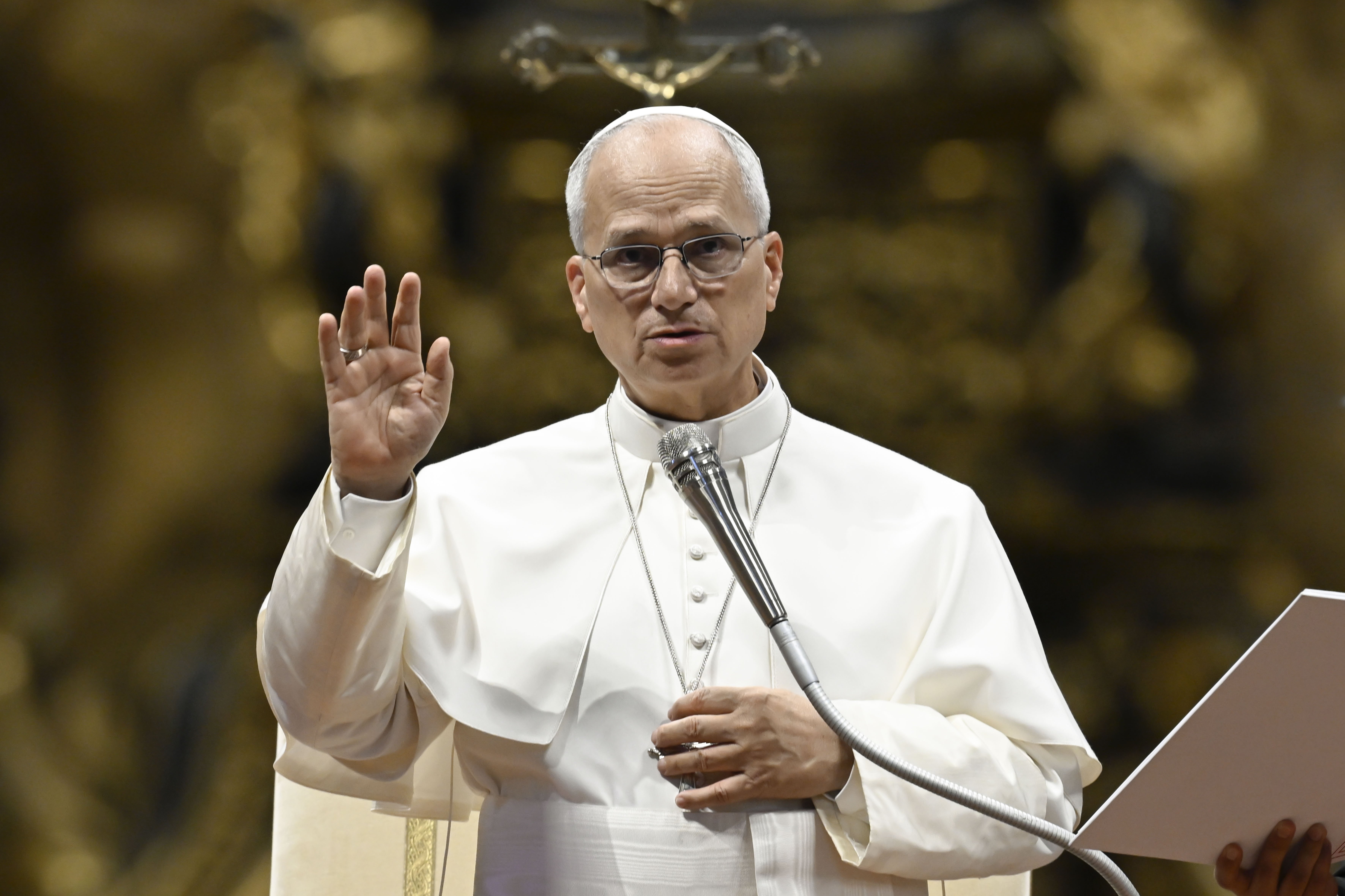
Pope Leo XIV issued a fervent appeal for return of diplomacy in “these dramatic hours” in the Middle East and Iran, condemning use of weapons that cause “destruction, pain, and death.”
Pope Leo spoke roughly 12 hours after the U.S. and Israel revealed that Iran’s supreme leader, 86-year-old Ayatollah Ali Khamenei, is among the country’s senior leaders killed in their initial assault on Iran, started in the early morning hours on Feb. 28.
During his Sunday Angelus prayer March 1, the pope said he was “following with profound concern” these events and warned of a potential “tragedy of enormous proportions.” He appealed for the warring parties to assume “the moral responsibility of halting the spiral of violence” before it becomes “an irreparable abyss.”
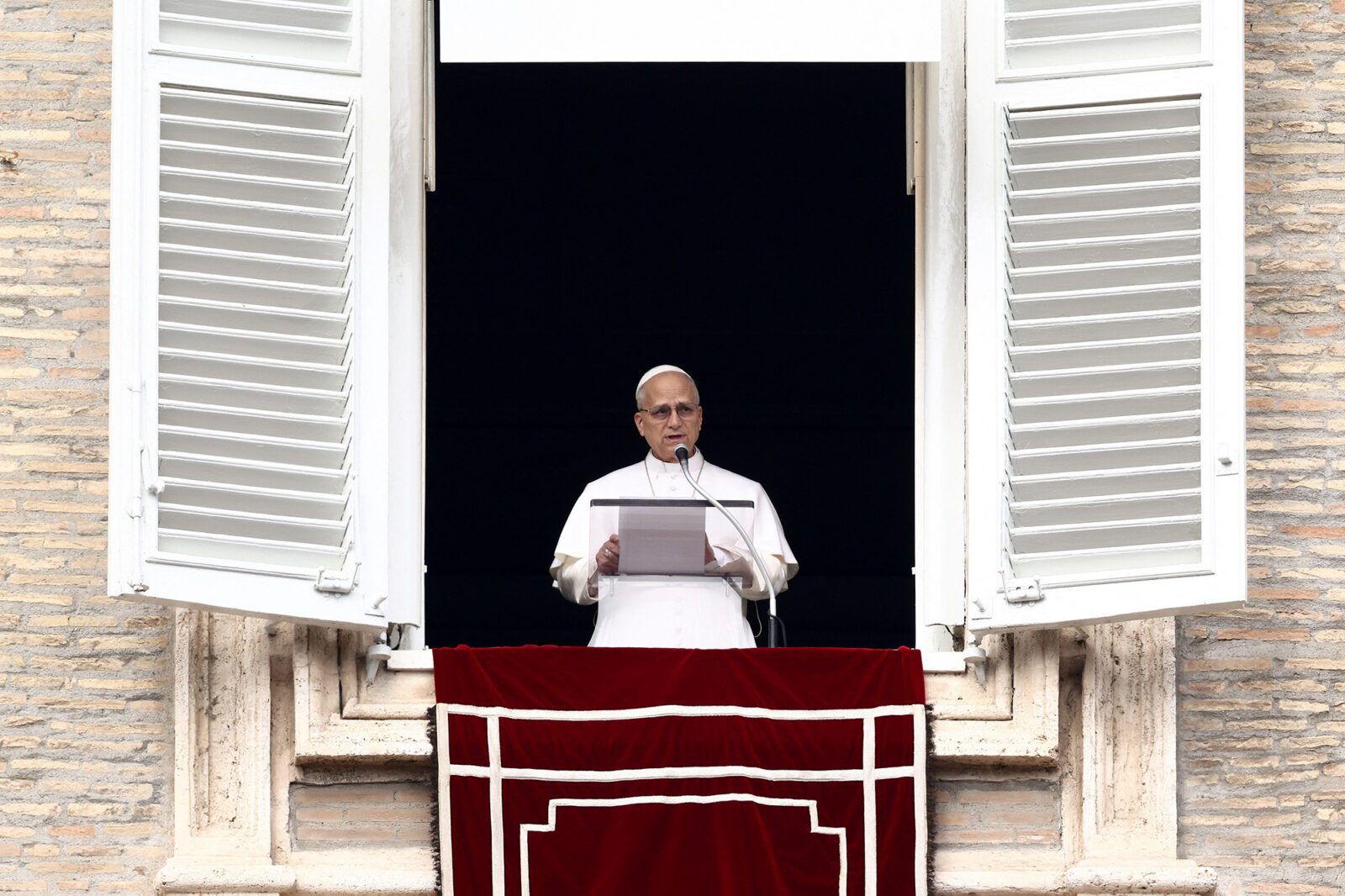
Pope Leo XIV led the Angelus prayer from the window of the Apostolic Palace at the Vatican, March 1.
The pope insisted the nations return to diplomacy.
“Stability and peace are not built through mutual threats, nor with weapons that sow destruction, pain, and death, but only through reasonable, authentic, and responsible dialogue,” he said.
The ongoing joint U.S. and Israeli attack on Iran has targeted Tehran and cities across Iran, with Gulf countries caught in the crossfire as Iran launches retaliatory strikes.
“Faced with the possibility of a tragedy of enormous proportions, I address to the parties involved a heartfelt appeal to assume the moral responsibility of halting the spiral of violence before it becomes an irreparable abyss,” the pope said.
“May diplomacy regain its role and promote the good of the peoples who yearn for peaceful coexistence based on justice,” he added, urging the world to “continue to pray for peace.”
What Pope Leo called a “spiral of violence” continued to unfold Sunday as mutual attacks escalated hour by hour throughout the Middle East.
Following fresh attacks between Israel and Iran, Iran’s Red Crescent organization (part of the Red Cross global humanitarian network) reported more than 550 killed in Iran by the U.S.-Israel strikes as of March 2. Iran’s foreign minister, Seyed Abbas Araghchi, claimed on the X social media platform that a girls’ school in Minab was bombed in the U.S.-Israeli air assault and showed a photo. Iranian media said that at least 175 people died in that location.
By March 2, U.S. officials confirmed at least four U.S. soldiers had died and several more were seriously wounded in the military operation.
Israel’s military said on X March 1 that its strikes have killed 40 Iranian commanders, including Abdolrahim Mousavi, the chief of staff of Iran’s armed forces, Abdolrahim Mousavi. Iranian state television confirmed the death.
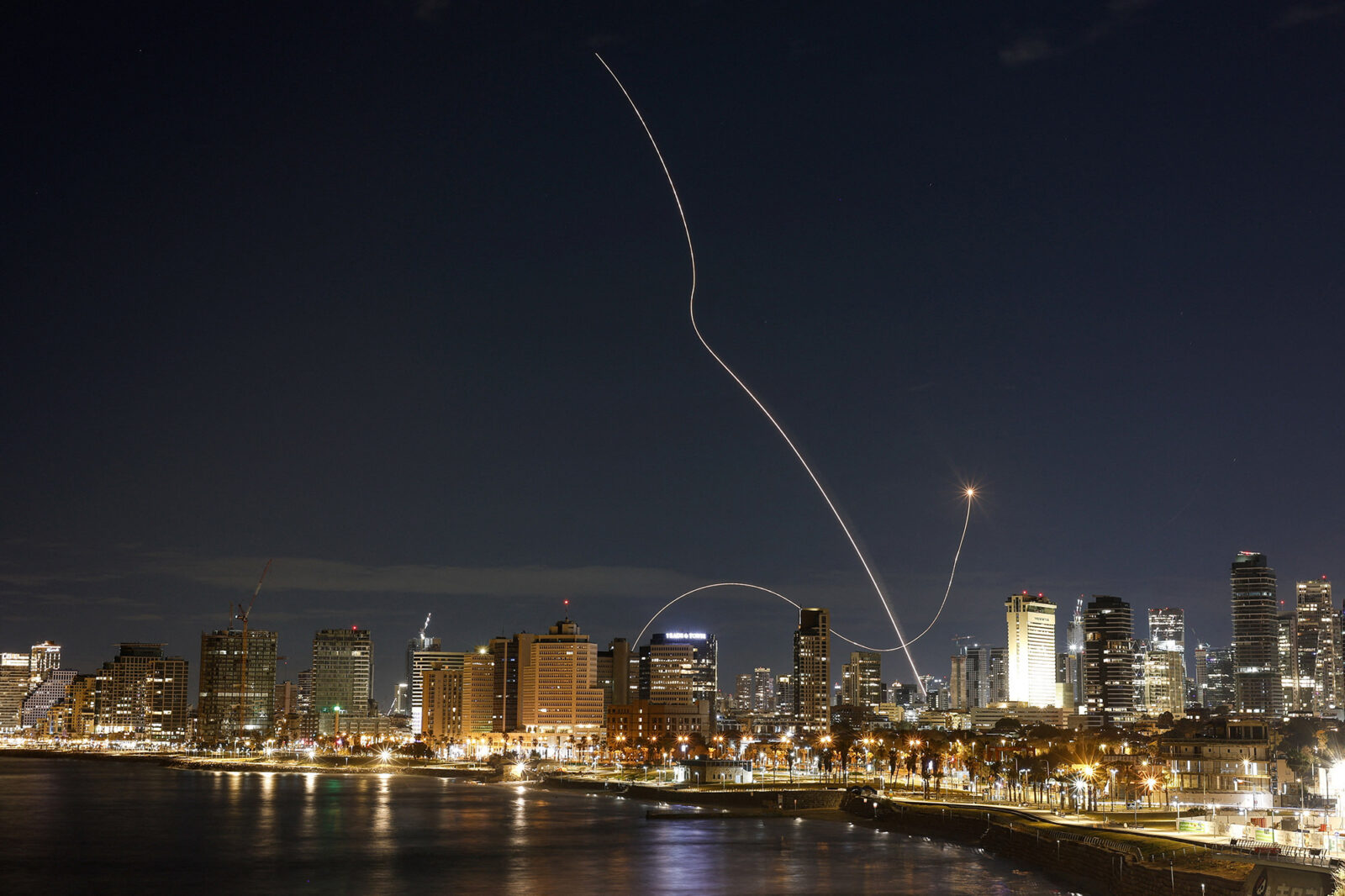
Israeli military forces in Tel Aviv, Israile, attempted to intercept a missle that was launched from Iran March 1.
In the conflict’s opening 24 hours, two people were killed in Tel Aviv as an Iranian missile hit a residential building, while 120 people in Israel were injured from Iran’s counterstrikes, The Jerusalem Post reported.
The Guardian reported Iran’s president, Masoud Pezeshkian, was quoted as having called the killing of Iran’s supreme leader “an open war against Muslims” and having said that Iran “considers bloodshed and revenge against the perpetrators and commanders of this crime as its legitimate duty and right, and will fulfill this great responsibility and duty with all its might.”
President Donald Trump posted a message to Truth Social on March 1 warning Iran to not retaliate further.
Pope Leo, during his Angelus appeal, reminded people that in recent days, “we have also received disturbing news of clashes between Pakistan and Afghanistan.” He raised a “plea for an urgent return to dialogue.”
“Let us pray together that harmony may prevail in all the world’s conflicts,” he said, adding, “Only peace, a gift of God, can heal the wounds between peoples.”
Archbishop Paul S. Coakley of Oklahoma City, president of the U.S. Conference of Catholic Bishops, issued a statement shortly after echoing the pope’s words, and warned, “We are faced with the possibility of a tragedy of immense proportions.”
Pope Leo XIV shared the following prayer with leaders of the Franciscan order in January to begin the 800th anniversary of St. Francis’ death.
Saint Francis, our brother, you who eight hundred years ago went to meet Sister Death as a man at peace, intercede for us before the Lord.
You recognized true peace in the Crucifix of San Damiano, teach us to seek in him the source of all reconciliation that breaks down every wall.
You who, unarmed, crossed the lines of war and misunderstanding, give us the courage to build bridges where the world raises up boundaries.
In this time afflicted by conflict and division, intercede for us so that we may become peacemakers: unarmed and disarming witnesses of the peace that comes from Christ.
Amen.