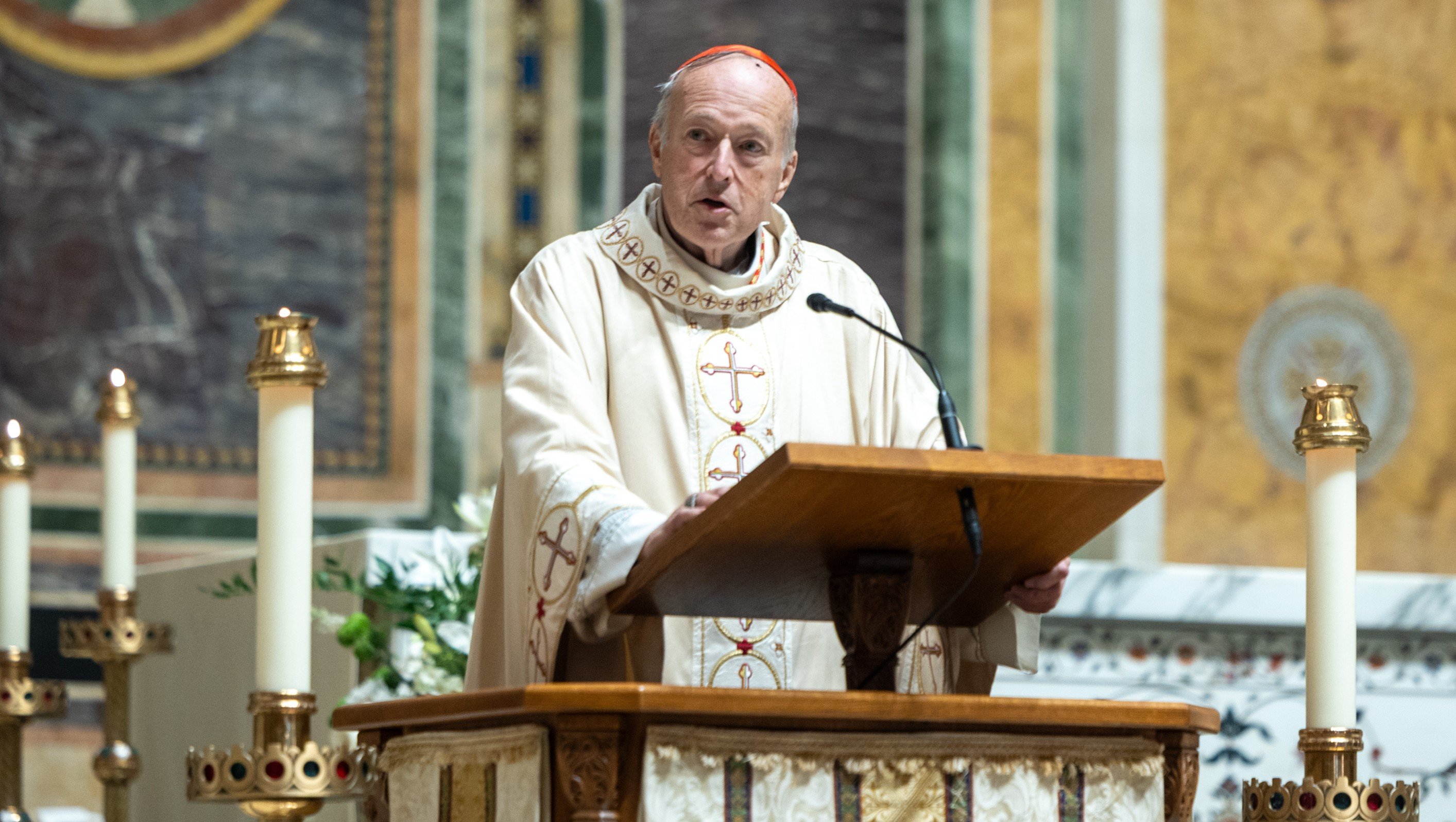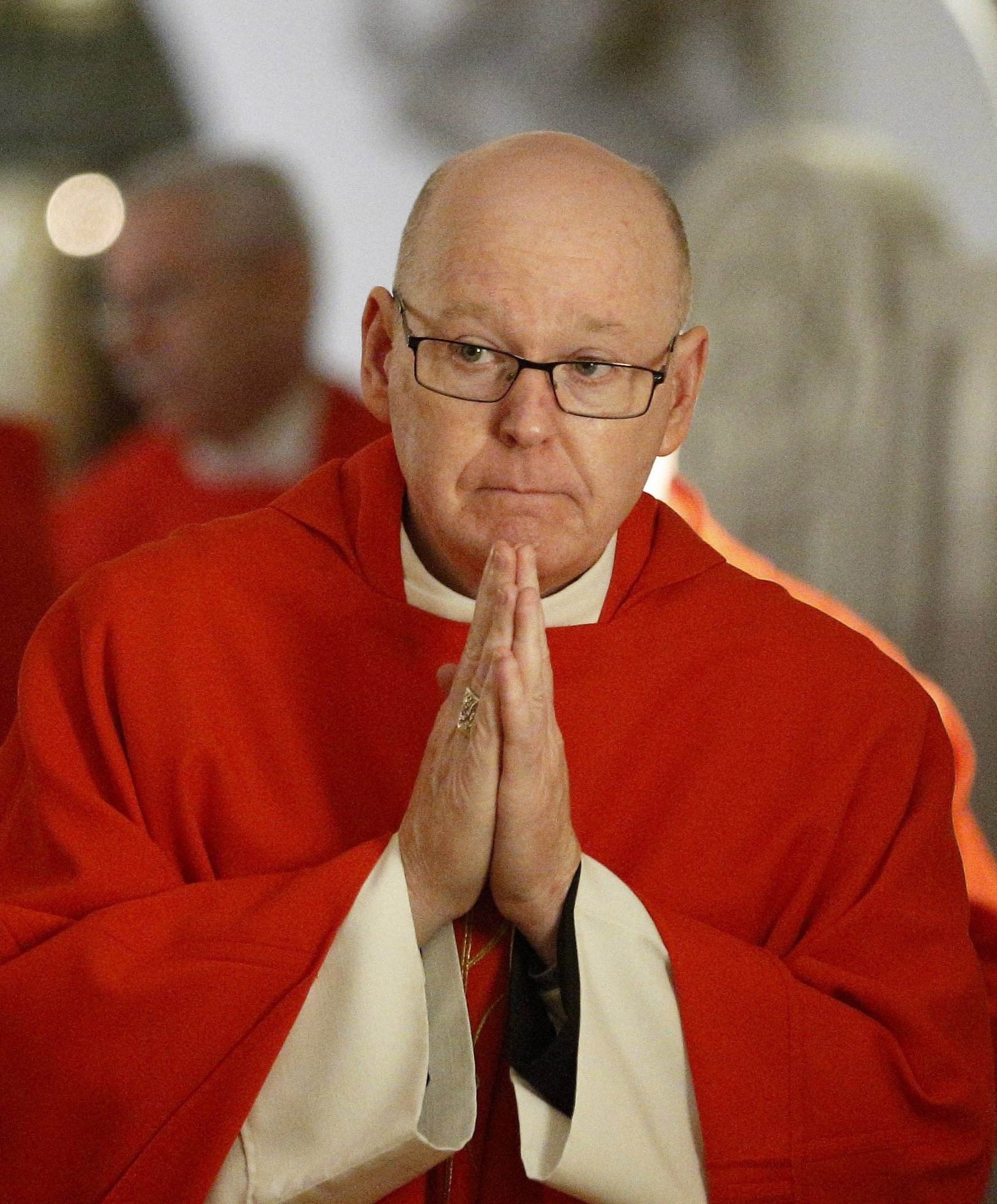
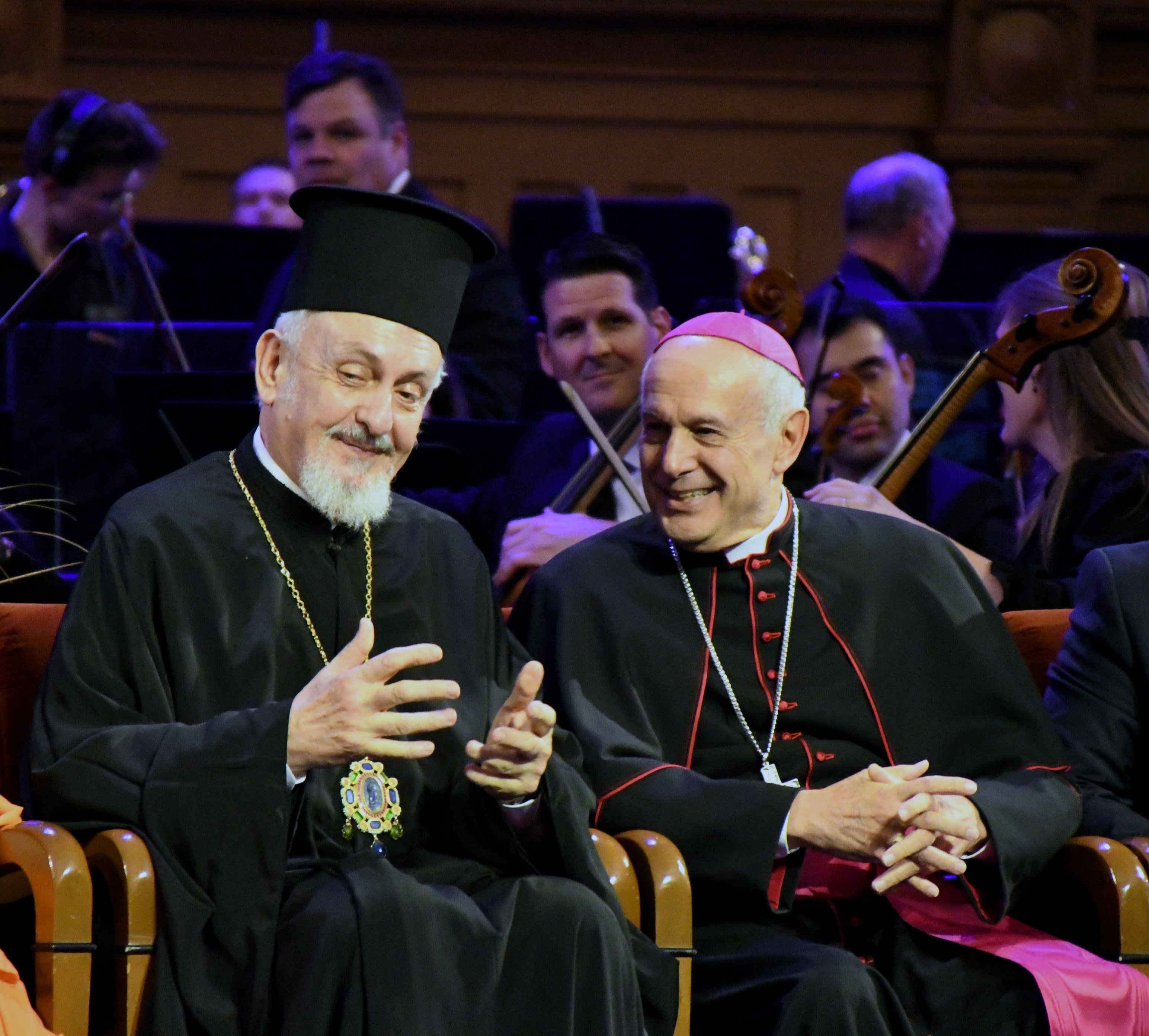
Archbishop Gabriele G. Caccia, apostolic nuncio to the United States, addressed the G20 Interfaith Forum Oct. 15
SALT LAKE CITY — “Resilient Hope, Shared Future,” the theme of the G20 Interfaith Forum in Salt Lake City, “raises a question which is becoming more urgent for all of us: What kind of human future are we building together?” the papal nuncio to the United States asked Oct. 15.
When the leaders of the G20 meet in Miami in December, “among the principal questions before them will be economic growth, energy security and the rapid development of new technologies, especially artificial intelligence,” Archbishop Gabriele G. Caccia said.
Although these may appear to be very different subjects, they are related by one fundamental question: “Whether the progress we seek will truly serve the human person,” the archbishop said, addressing what was the largest faith gathering ever held in Utah.
The Oct. 15-17 forum opened with a ceremony at the Salt Lake City Tabernacle, with President Dallin H. Oaks of The Church of Jesus Christ of Latter-day Saints and Archbishop Caccia among the speakers.
The G20 Interfaith Forum, or IF20, “unites scholars, faith leaders, and policymakers to turn faith-informed insights and lived experience into real solutions for today’s most urgent global challenges,” according to its website.
Forum sessions addressed four primary themes: economic growth for the common good; energy security for a sustainable future; AI and the human future; and interfaith engagement and the United Nations’ sustainable development.
IF20 “represents an important opportunity to ensure that faith perspectives contribute meaningfully to global policy discussions,” Imam Mohamed Magid said in a welcoming message to the forum. He is the executive imam of the Virginia-based ADAMS Center, co-president of Religions for Peace and a member of the IF20 Advisory Council.
The G20, which addresses issues such as global growth and economics, is composed of 19 individual countries as well as the European Union and the African Union, bringing the total number of members to 21.
The IF20 operates in parallel to the G20, linking religious institutions, leaders and scholars directly to the formal G20 process.
In his address, Archbishop Cacia referenced Pope Leo XIV’s encyclical, “Magnifica Humanitas,” saying that at the center of it is the question of whether the progress “we seek will truly serve the human person.”
In the document, he said, the pope “reminds us that each generation bears responsibility for shaping … in its time in a very way which is worthy of the human person and open to a more fraternal future. This becomes especially important in the age of artificial intelligence.”
Those attending the conference came “because our tradition keeps alive the deeper question of what it means to recognize every person as our neighbor and to shape our common life accordingly,” he said. “Authentic interreligious dialogue does not ask us to become less rooted in our own faith. On the contrary, if we know who we are and what we believe, we can meet others more honestly.”