The Church offers healing and deliverance ministry to combat evil and move to a deeper relationship with God
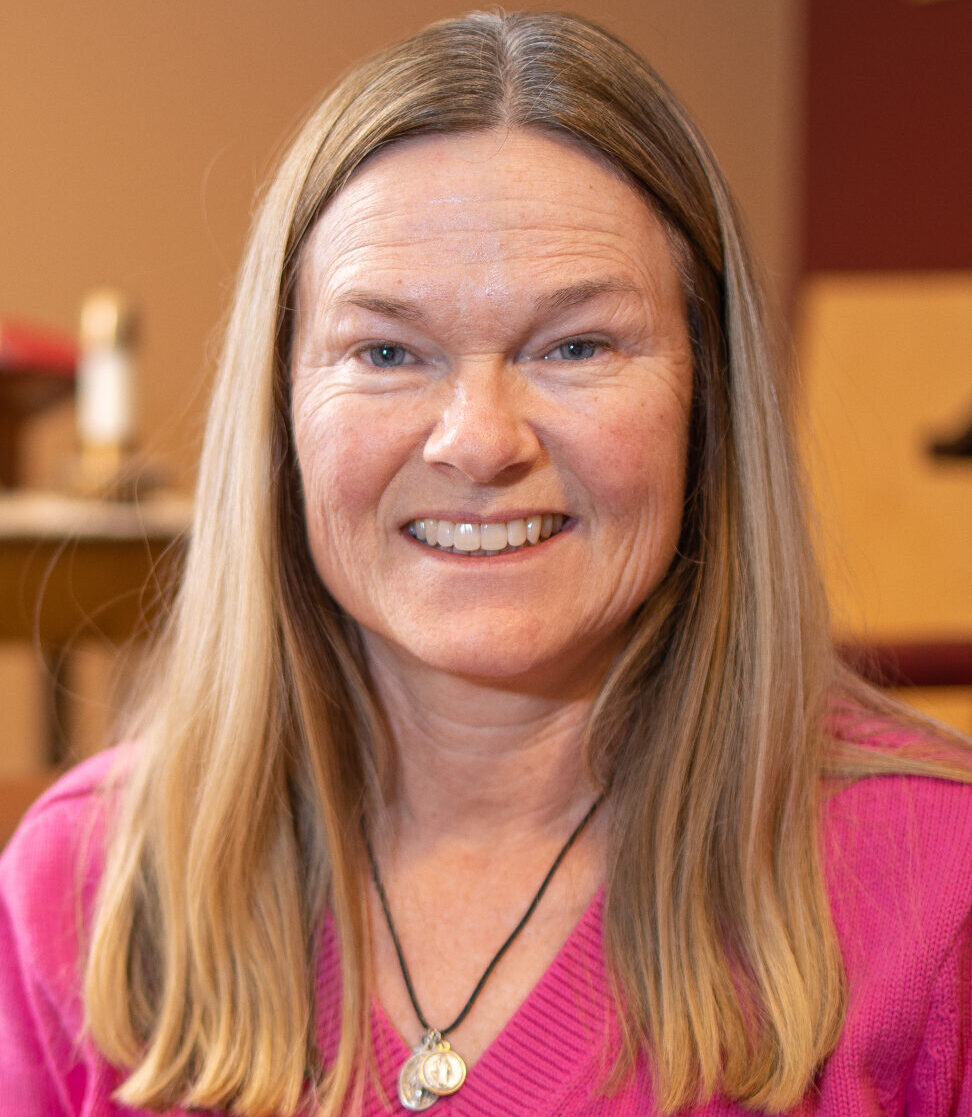
Julie Leadlove remembers the fog.
Her marriage was unraveling, her body was overcome with illness and a spiritual confusion weighed on her so strongly that she couldn’t name what she was feeling.
When a prayer minister suggested Leadlove was feeling “betrayed,” she felt a light coming through the darkness.
What began with attending a healing service in 2009 at a friend’s suggestion became an effort to seek healing and deliverance from something that was oppressing her.
Prayer ministers at the service encouraged Leadlove to visit the archdiocesan Catholic Renewal Center. Initially feeling weighed down by fear and confusion, she left with a feeling of peace she hadn’t experienced in a long time. Over multiple visits with trained prayer ministers, along with the sacraments and prayer, Leadlove brought to the surface the lies she’d come to believe about herself and renounced the evil spiritual burdens that overshadowed her.
“I was really blocked at first,” she said. “They would try to get me to name things (happening in my life) or even feelings, and I’m like, I don’t know. I couldn’t even think of what I was trying to name in order to renounce and reject it.”
Healing and deliverance
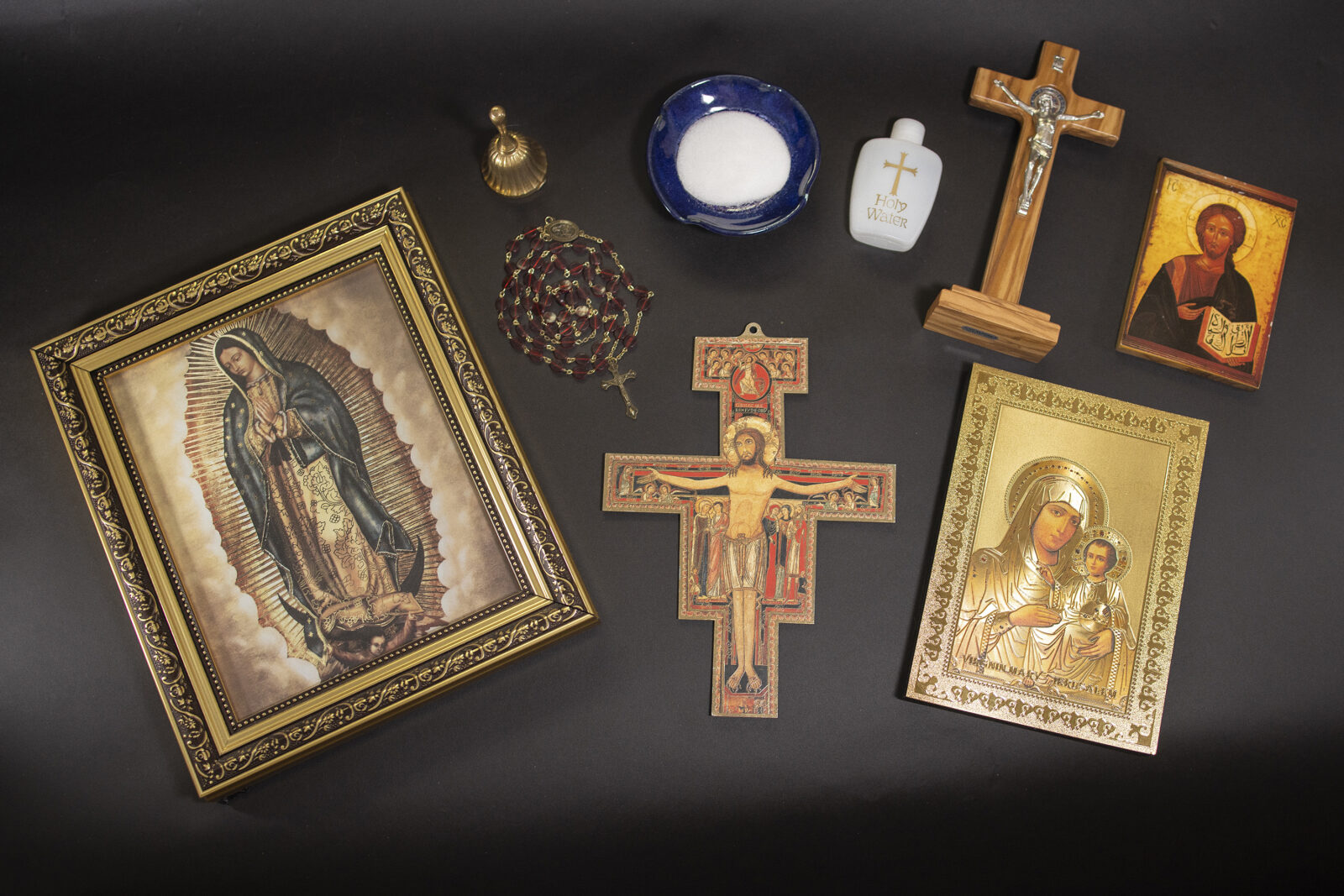
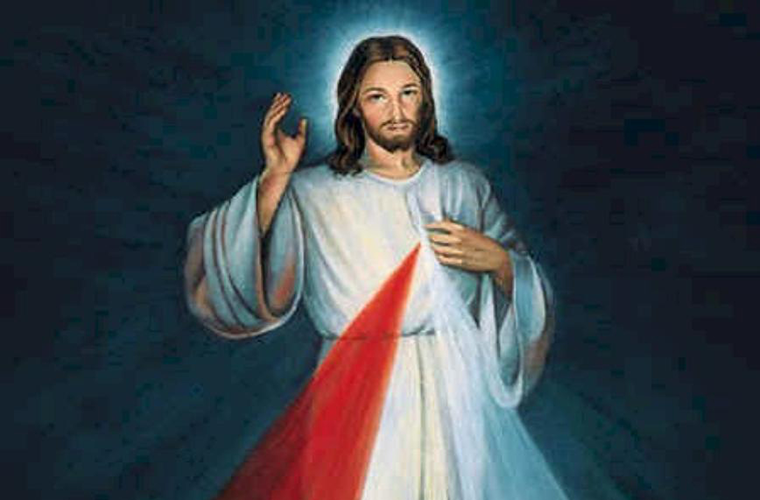
From the beginning of His public ministry, Jesus revealed Himself as the Divine Physician. He healed the sick, forgave sins and cast out demons as signs of God’s Kingdom here on earth (Mark 1:15). The Church continues that mission, offering healing through the sacraments, sacramentals, prayer and liberation from evil through its healing and deliverance ministry.
Through its trained prayer ministry team, the archdiocesan Catholic Renewal Center walks with individuals through spiritual challenges, providing prayerful support and grounded in the Church’s tradition of sacramental healing and deliverance, Catholic Renewal Center director Jane Guenther said.
“What the Catholic Renewal Center offers is a lot of hope to a lot of very hopeless situations for people — a lot of desperate situations, people who are very oppressed or even depressed,” Guenther said. “The Renewal Center offers hope where other people have not been able to bring hope to them.”
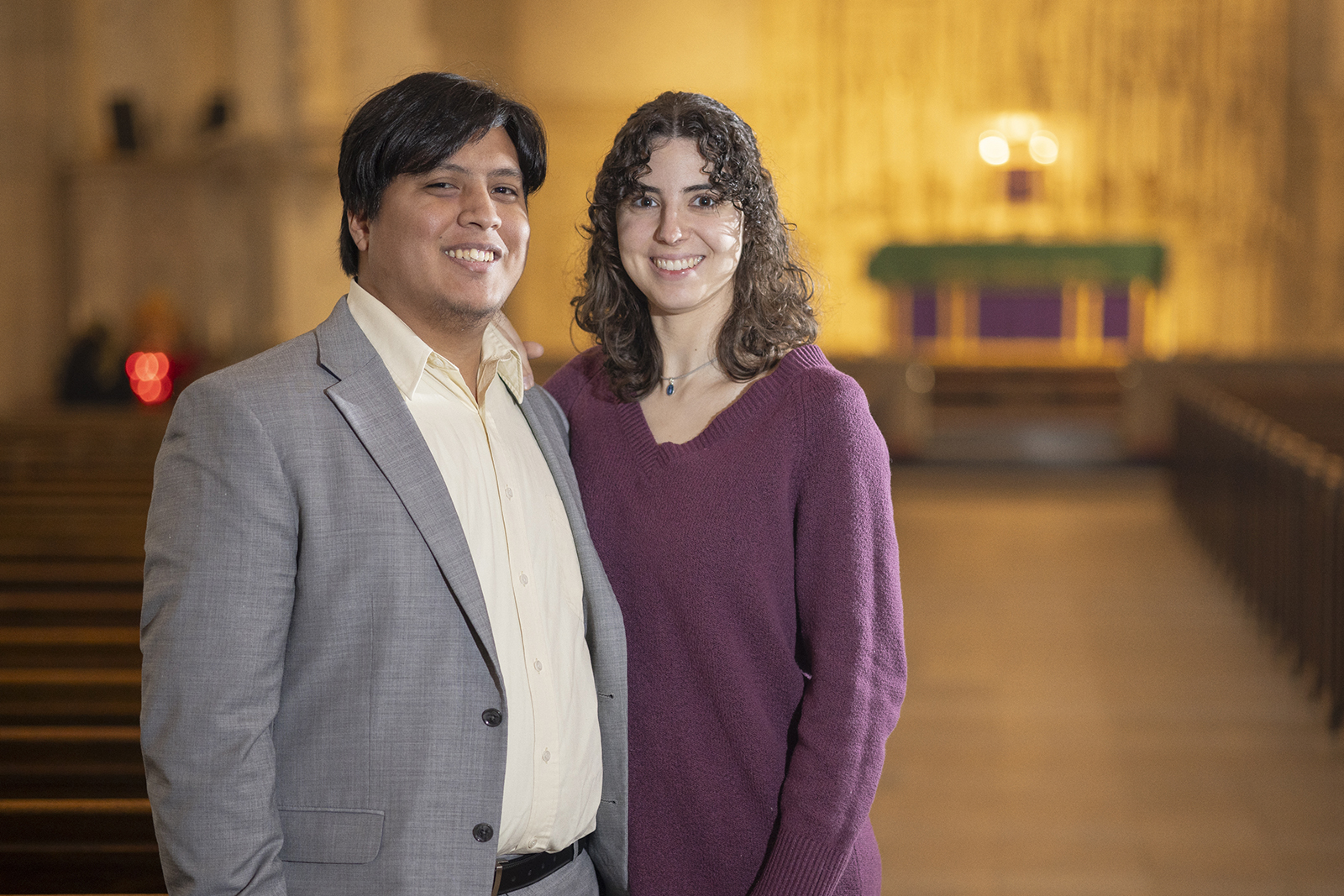
Father Charlie Archer commonly refers individuals to the Renewal Center for healing and deliverance. The associate pastor at the Cathedral Basilica of Saint Louis said that referrals often come via individual pastoral counseling or his work with those seeking to become Catholic. He will make a recommendation when he sees clear spiritual “red flags” such as past involvement in witchcraft, a strong family or personal connection to Freemasonry or recurring patterns of unexplained problems that suggest a spiritual dimension.
Father Archer described his role as a priest as a “general practitioner,” offering basic pastoral care and prayer, but he will recommend individuals seek the “specialists” at the Renewal Center for deeper healing and deliverance ministry. He also emphasizes that there needs to be a balance between deliverance from negative spiritual influences and ongoing healing—being “delivered to” a deeper relationship with Christ, filled with grace and a more profound conversion of heart.
“The deliverance and healing work pretty closely together,” Father Archer said. “The deliverance is kind of getting rid of the bad stuff, but the healing, you can think of that as getting filled with the good stuff and coming closer to the Lord. The healing is just as important. It’s not just about combating the devil, but it’s about being filled with (God’s) grace and deeper conversion of heart. And that’s what has to stay in order for people to really be delivered. It’s not like delivering from, but of delivering to.”
A renunciation
Rob Miller spent nearly three decades involved in the occult — reading tarot cards, serving as a trance medium, practicing witchcraft and voodoo and even operating two occult/new age bookstores — before a curse and spiritual phenomena drove him to seek help beyond medicine and psychiatry.
Through the ministry of several priests, the Renewal Center and prayer, including the Rosary and St. Michael chaplet, Miller had a gradual journey into the Church culminating in his baptism nearly 10 years ago. He experienced what he described as a deliverance from near-possession and a profound healing. In 2020, he wrote a book about his experiences, warning against the dangers of occult practices.
A friend had recommended seeking a deliverance ministry. “He said, ‘You gotta go renounce all this stuff that you used to do. … It’s still going to hang with you. You’ve got to renounce it,’” Miller recalled. “Once I went to the deliverance sessions, I started feeling better.”
Miller also learned about the connection between sin and evil influences. The sacrament of reconciliation became an important part of his healing. “Demons are everywhere, and we’re all sinners,” he said. “Sin is one of the things that attracts demons, so I felt it was like a cleansing.”
Sacramental graces
After going through her own healing journey, Leadlove eventually became involved in the healing and deliverance prayer ministry and participates in an intercessory prayer group each week at the center in Affton.
Throughout her journey, Leadlove said she learned that healing and deliverance are not reserved only for trained prayer ministers in extraordinary cases. All baptized Christians have a spiritual authority in Christ. That means a person can consciously renounce the lies they have believed about themselves and reject any spirit that seems to be weighing them down.
It’s also an important part of a person’s ongoing sacramental life, including confession and attending Mass, she said. All of those things push back against the enemy’s influence and keep a person rooted in a relationship with God. Leadlove’s own turning point came when she realized she did not have to identify as a “sick person.” Instead, she renounced that false identity and lives as a child of God who happens to have an illness, but is no longer defined by it.
“We can stand on the authority of our baptism and renounce and reject any lie that we believe or any spirit that is bothering us,” she said. “What a gift we have, especially in the Catholic Church with all of our sacraments.”
Blessings as a source of grace
Years ago before he became pastor of St. Ambrose Parish on the Hill, Father Jack Siefert attended a talk where a fellow priest offered a simple rule — never brush off a parishioner’s request for a blessing.
“This priest said, ‘Anytime anyone asks you to bless anything, do it because there’s a spiritual shield (against) spiritual warfare … Every time we bless anything there is a spiritual shield upon that object or person through that blessing.’ And I’ve never forgotten that,” he said.
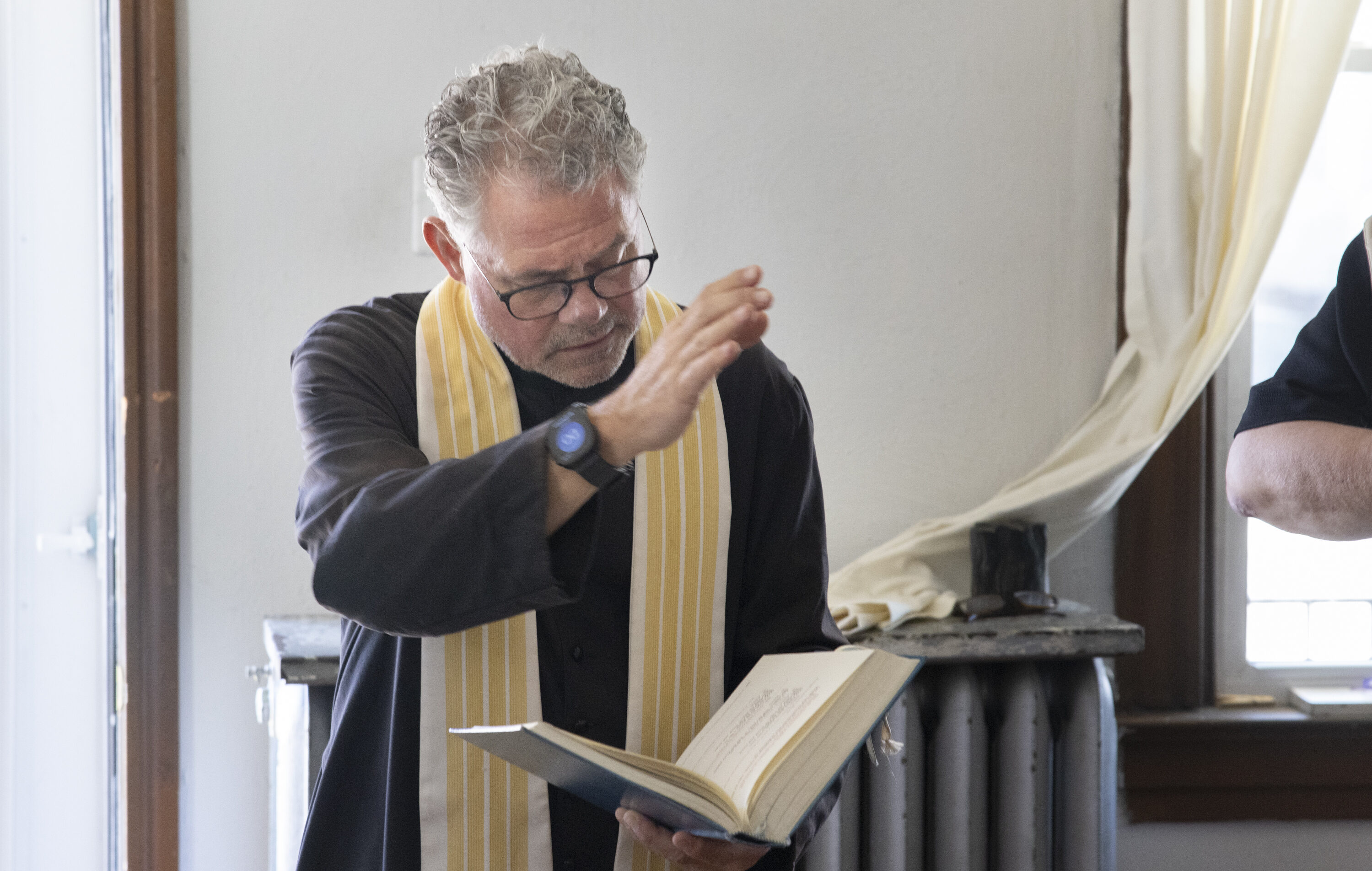
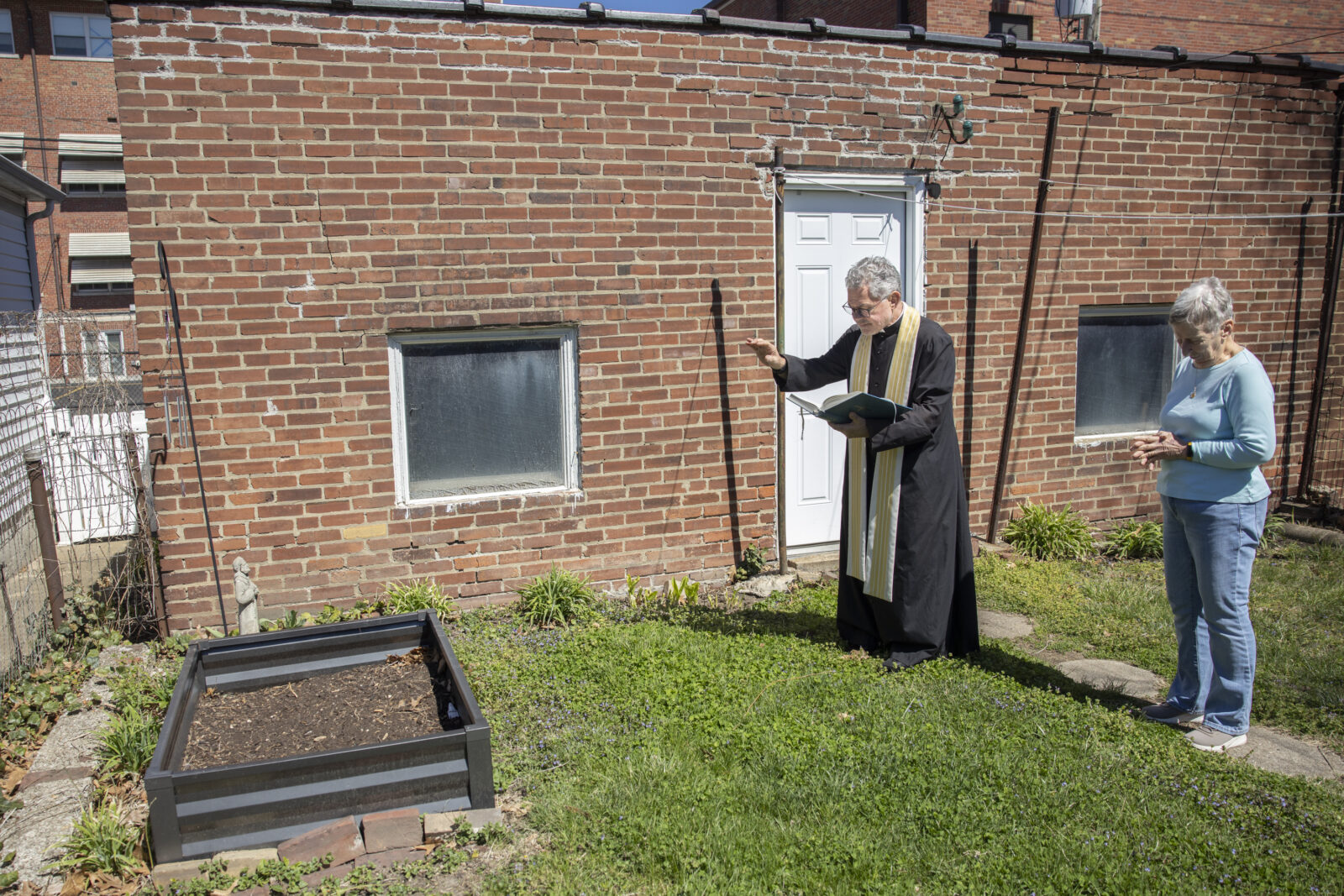
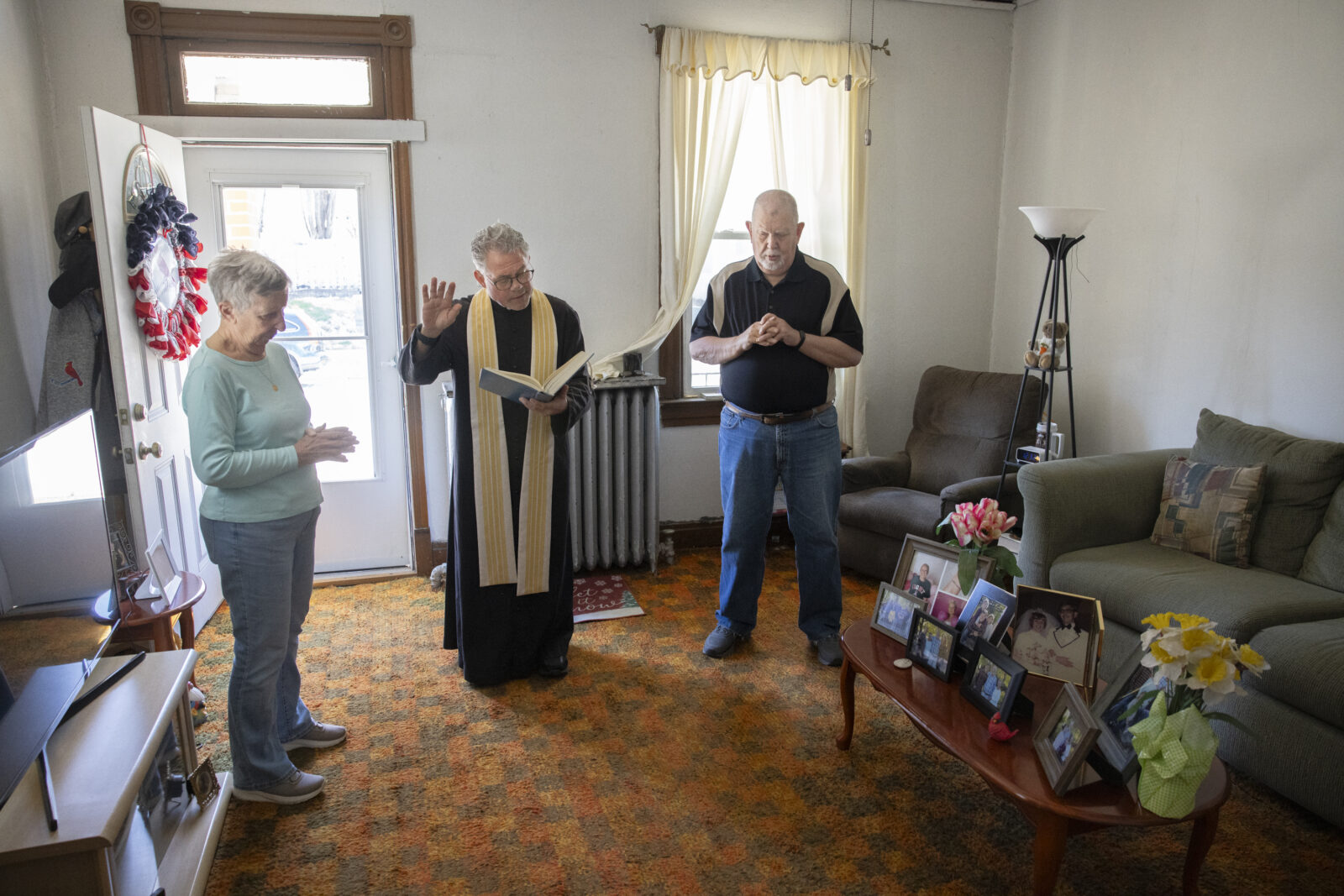
In late March, Father Siefert visited the home of Darreld and Josephine Overman to offer a blessing for their home, which the couple have lived in for 48 years, and their backyard garden. Last year, he offered garden blessings to parishioners and plans to do more of the same this year once spring planting season begins.
The Church teaches that blessings are sacramentals — prayers and signs that invoke God’s favor, praise Him for His gifts and dispose the faithful to receive grace while restraining evil. Blessings are a simple way to inject healing and deliverance into daily life, Father Siefert said.
In “Fiducia Supplicans,” the 2023 declaration from the Vatican’s Dicastery for the Doctrine of the Faith, “blessings are celebrated by virtue of faith and are ordered to the praise of God and the spiritual benefit of His people. As the Book of Blessings explains, ‘so that this intent might become more apparent, by an ancient tradition, the formulas of blessing are primarily aimed at giving glory to God for His gifts, asking for His favors and restraining the power of evil in the world.’”
Blessings occupy an important place among the Church’s sacramentals. They include both praise of God for His works and gifts, and the Church’s intercession for people that they may use God’s gifts to be witnesses to the Gospel.
Degrees of demonic influence
The Church acknowledges a spectrum of demonic influences on individuals, ranging from ordinary temptation to rare cases of possession, always emphasizing discernment, medical evaluation and reliance on Christ’s power through the sacraments, sacramentals and liturgical means. These are addressed pastorally through healing prayers, minor exorcisms (deliverance prayers) and in rare cases, solemn major exorcism that includes strict protocols defined by the Church.
Temptation (ordinary activity): All baptized Christians face the devil’s temptations, as he “prowls around like a roaring lion looking for someone to devour” (1 Peter 5:8). This includes general hindrance from sin or evil, not requiring extraordinary intervention. The Church teaches that Satan deceives and opposes God’s plan, but one “born of God” is protected. (Catechism of the Catholic Church 414, 2852) Post-baptismal effects of evil can persist, hindering spiritual growth.
Infestation (extraordinary activity): This is demonic presence in places and things as a form of spiritual opposition where evil spirits may infiltrate locations or objects, often manifesting as disturbances or hindrances to the Church’s mission.
Oppression (extraordinary activity): Stronger bodily or circumstantial attacks, similar to examples in Scripture of infirmity linked to evil spirits (e.g., Luke 13:11). Oppression typically occurs because of habitual sin patterns. Historical understanding views these as demonic hindrance, which can be resolved with expulsion.
Obsession (extraordinary activity): These are more intense external attacks, where the devil afflicts mind or body without the person’s full control. “Exorcisms and Related Supplications” describes cases where, “by God’s permission,” a baptized person experiences “peculiar vexation or obsession” from the devil, manifesting the “mystery of iniquity” (2 Thessalonians 2:7). This differs from the effects of original sin and is rare among the faithful.
Possession (extraordinary activity): This is the gravest form, where the devil exercises control over the body, speaking through the person or manifesting supernatural knowledge and power. Genuine cases are rare, and the Church alone determines via thorough protocol. An example in Scripture includes the Gerasene demoniac (Luke 8:26-39).
Prayers of protection
The Church encourages the laity to use approved prayers for protection against evil, such as those in the appendix of “Exorcisms and Related Supplications,” which are for private use by the faithful to combat temptation or spiritual attacks.
Another resource is “Prayers Against the Power of Darkness,” a booklet published by Ascension Press that includes invocations and litanies that can be used against evil.
A simple private prayer for daily protection is the Prayer to St. Michael the Archangel:
St. Michael the Archangel, defend us in battle. Be our protection against the wickedness and snares of the devil. May God rebuke him, we humbly pray; and do thou, O Prince of the Heavenly Host, by the power of God, cast into hell Satan and all the evil spirits who prowl about the world seeking the ruin of souls. Amen.
Learn more
To learn more about the archdiocesan Catholic Renewal Center and its healing and deliverance ministry, visit www.archstl.org/renewal
The Renewal Center offers a generational healing prayer service, which focuses on healing and deliverance prayer related to issues both past and present in one’s family line. For more information, call Anne Hruz at (314) 731-6100 or email annehruz@archstl.org.