Pope visits Uruguay, Argentina and Peru Nov. 6-17
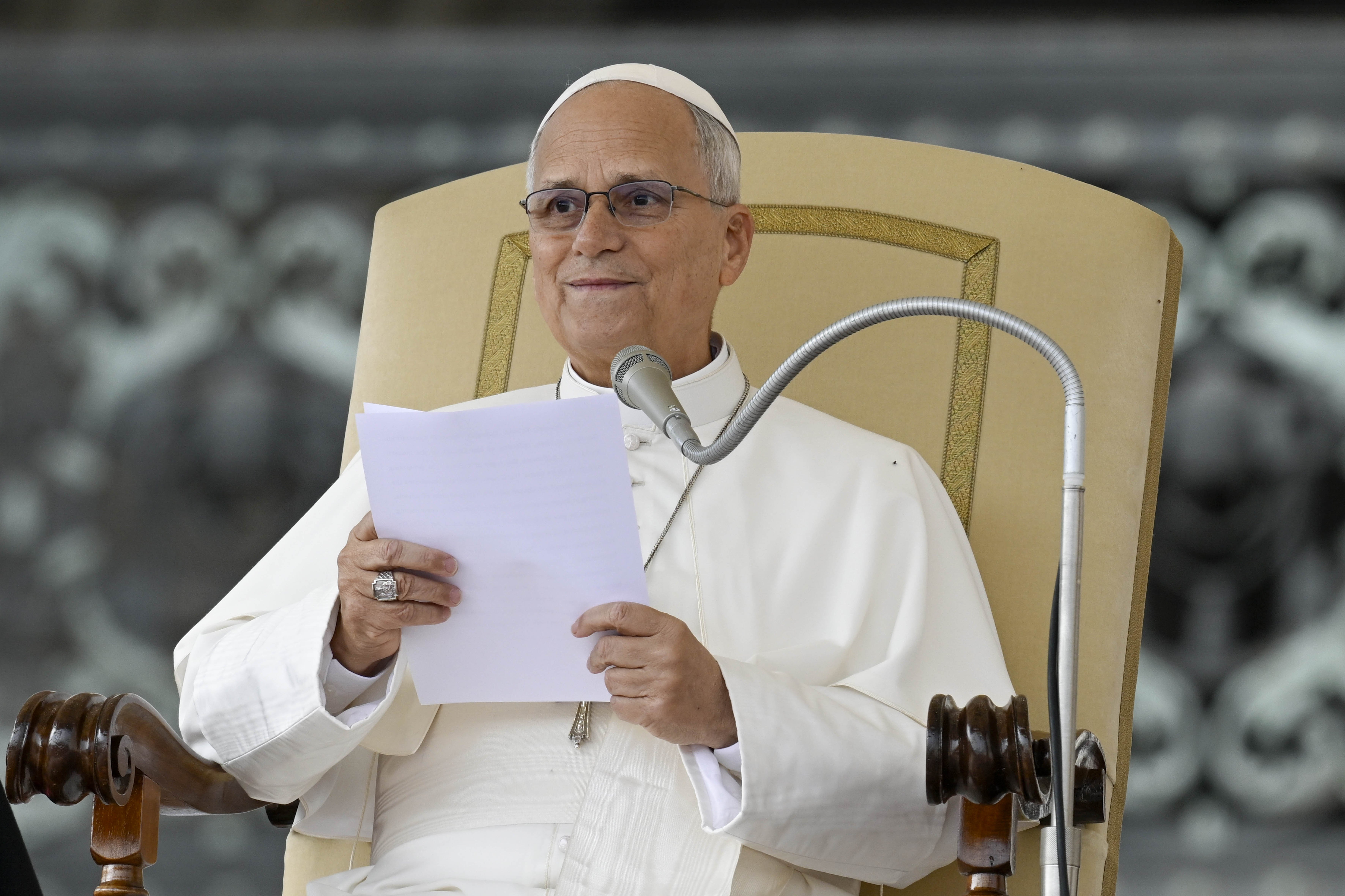
Standing on the balcony of St. Peter’s Basilica in May 2025, Pope Leo XIV addressed Catholics around the world with a message of peace and a call for Christians to “journey together toward the homeland that God has prepared for us.”
Prior to his election, he served in Rome for roughly two years as prefect of the Dicastery for Bishops. Yet, during his first speech, his thoughts were not far from the place he called home for over two decades.
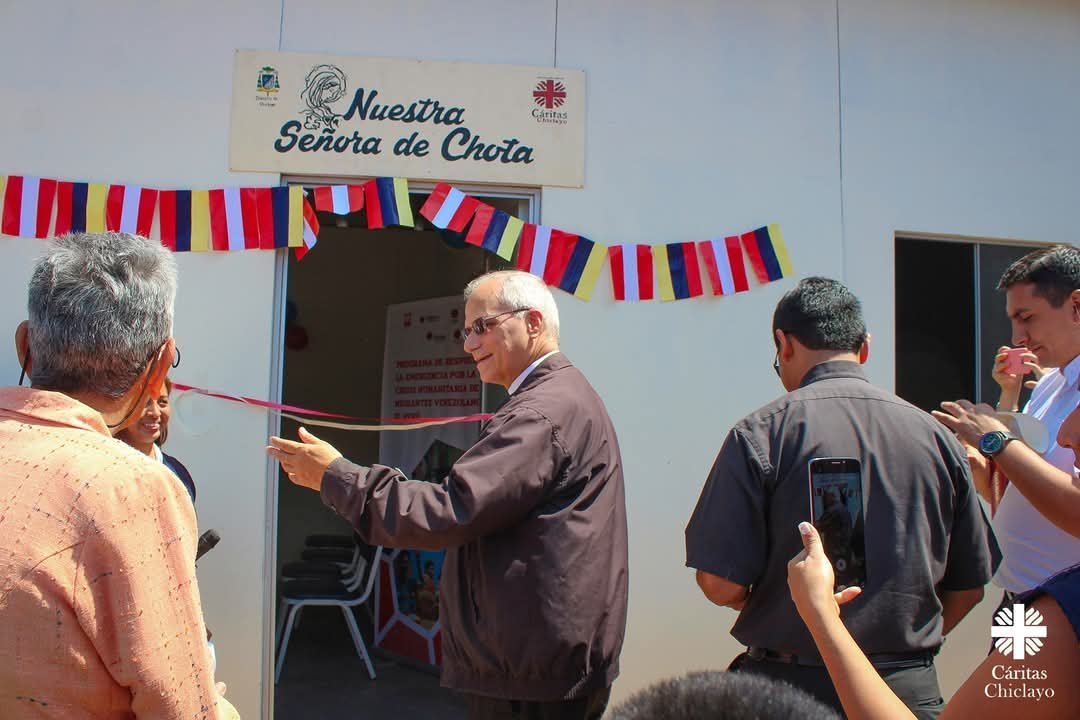
“And if you also allow me a brief word, a greeting to everyone and in particular to my beloved Diocese of Chiclayo, in Peru, where a faithful people has accompanied its bishop, shared its faith and given so much, so much, to continue being a faithful Church of Jesus Christ,” the pope said.
The final leg of Pope Leo’s three-country tour in Latin America Nov. 6-17 will take the American-born pontiff to his adopted homeland, and his arrival not as a local bishop but as Supreme Pontiff will likely be the most anticipated event.
For the people of Peru, the apostolic visit is not just a welcoming of the Vicar of Christ; it’s the return of a missionary, a neighbor, a shepherd who understood the realities of those who lived there, particularly the poor and the marginalized.
His return, a year and a half after his election, means Peru is not merely hosting a pontiff, but celebrating a homecoming for someone whose experiences there shaped his vision for the universal Church.
Then-Father Robert Prevost first stepped on Peruvian soil in 1985, serving as a parish priest in Chulucanas. In Elise Allen’s biography of the pontiff, Pope Leo recalled his arrival, which was a year after devastating floods had engulfed the region and “roads were destroyed still.”
Prior to his arrival, the pope had lived in Rome for four years and “loved it.” Not long after his arrival in Chulucanas, however, he was hospitalized for typhoid fever and recalled thinking, “God, either make me better or take me, because this is awful.”
That moment, so soon after his arrival, marked a turning point as he fully embraced his mission and the country he would call home.
Those early years in Peru, including serving in Trujillo as a formator for the Augustinians, forged his pastoral instincts as he learned to listen and immersed himself in the realities of poverty and rural migration.
Peruvians most appreciated his commitment to those in need, especially during the catastrophic 2017 El Niño coastal floods that ravaged the Lambayeque region. The American bishop was on the front lines, visiting affected areas and mobilizing business leaders to donate money and supplies.
Pope Leo’s return to his adopted home comes at a delicate time for the country. As is the case in many countries, Peru was not immune to the polarization that has gripped politics worldwide and has seen massive protests from people burdened by high costs.
Meanwhile, the Vatican’s recent announcement that the pope will meet with abuse victims during his visit was viewed with cautious optimism by victims’ advocates in the country.
While grateful for then-Bishop Prevost’s support of victims of the now-defunct Sodalitium Christian Vitae movement, Peruvian survivors expressed concern that the Catholic Church has made slow progress in fully suppressing the lay movement’s presence in parishes.
Nevertheless, for many, the visit from someone they consider “the first Peruvian pope” brings a much-needed respite from the political and societal divisions in the country.
Pope Leo “will find a country increasingly ‘battered and broken,’ where people wander ‘like sheep without a shepherd,’ as it is written in the Gospel of Matthew,” Cardinal Pedro Barreto Jimeno, the retired archbishop of Huancayo, said in an interview with Religion Digital published Nov. 1.
“We are a country without hope, without horizons to inspire us,” the cardinal said. “Pope Leo XIV’s presence and message will encourage the Peruvian people and institutions to create a space for dialogue that is ‘disarmed and disarming,’ respecting the dignity of every human person and seeking the common good.”