Easter celebrates the mystery of the resurrection of Christ and in everyday lives
When Isabel Osorto made his first trip from Honduras to St. Louis to celebrate his birthday last summer, his daughter, Xiomara Elizabeth Hernandez, didn’t know that she would soon be transporting his body back home for burial. He died unexpectedly, elderly and far from home, leaving her with mounting costs and overwhelming grief.
The communities where she had prayed and built friendships over the years — Our Lady of Guadalupe in Ferguson, St. Joseph in Manchester and St. Juan Diego in O’Fallon — didn’t let her carry the grief alone. They offered their prayers, attended her father’s visitation and funeral and collected donations to help cover the cost of returning his body home. Her faith community showed up in ways she hadn’t anticipated.
Looking back, Hernandez described the moment as a sign of hope amid grief and death. “It’s like the wheat that has been harvested,” she said through a Spanish-language translator. “All the work, all the prayer, all the connections, all of the community that has been built — this was the result, the harvest of the moment.”
In the grief of losing her father, Hernandez found herself living the mystery Catholics celebrate every Easter — in Christ’s resurrection, death is not the end as we receive the hope in eternal life. The message of His resurrection is one that has repeated itself in everyday human lives for the past 2,000 years. Hernandez considers herself among those who have witnessed the resurrection firsthand.
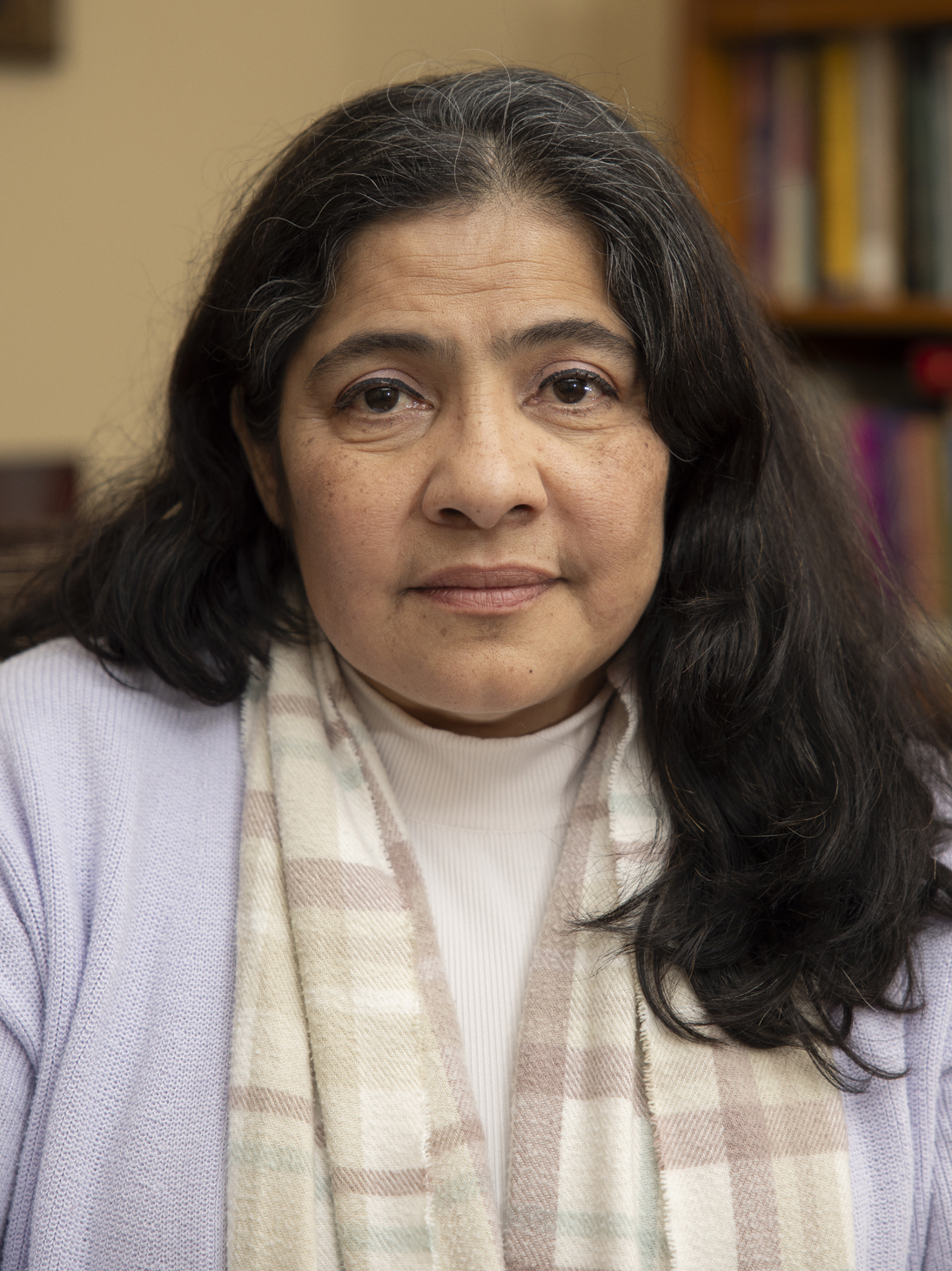
Xiomara Elizabeth Hernandez
Xiomara Elizabeth Hernandez
Hernandez’s husband, Pedro, had been somewhat distant from his faith. But as he watched the faith community surround her family with prayers and support during his father-in-law’s death, something in him stirred. He told his wife they needed to pray for people who offer their lives in service, “because there’s gonna be, at some point, some harvest,” she recalled.
“Maybe my dad was dead, but through him, a new life has become in my husband through the experience,” she said.
Similarly, she saw a spiritual harvest that came from her parents’ many years of service to their faith community in their native Honduras. She believes her father’s death was not an ending. “He came to give us life and in abundance,” and now he is “interceding for me and for all my family,” she said.
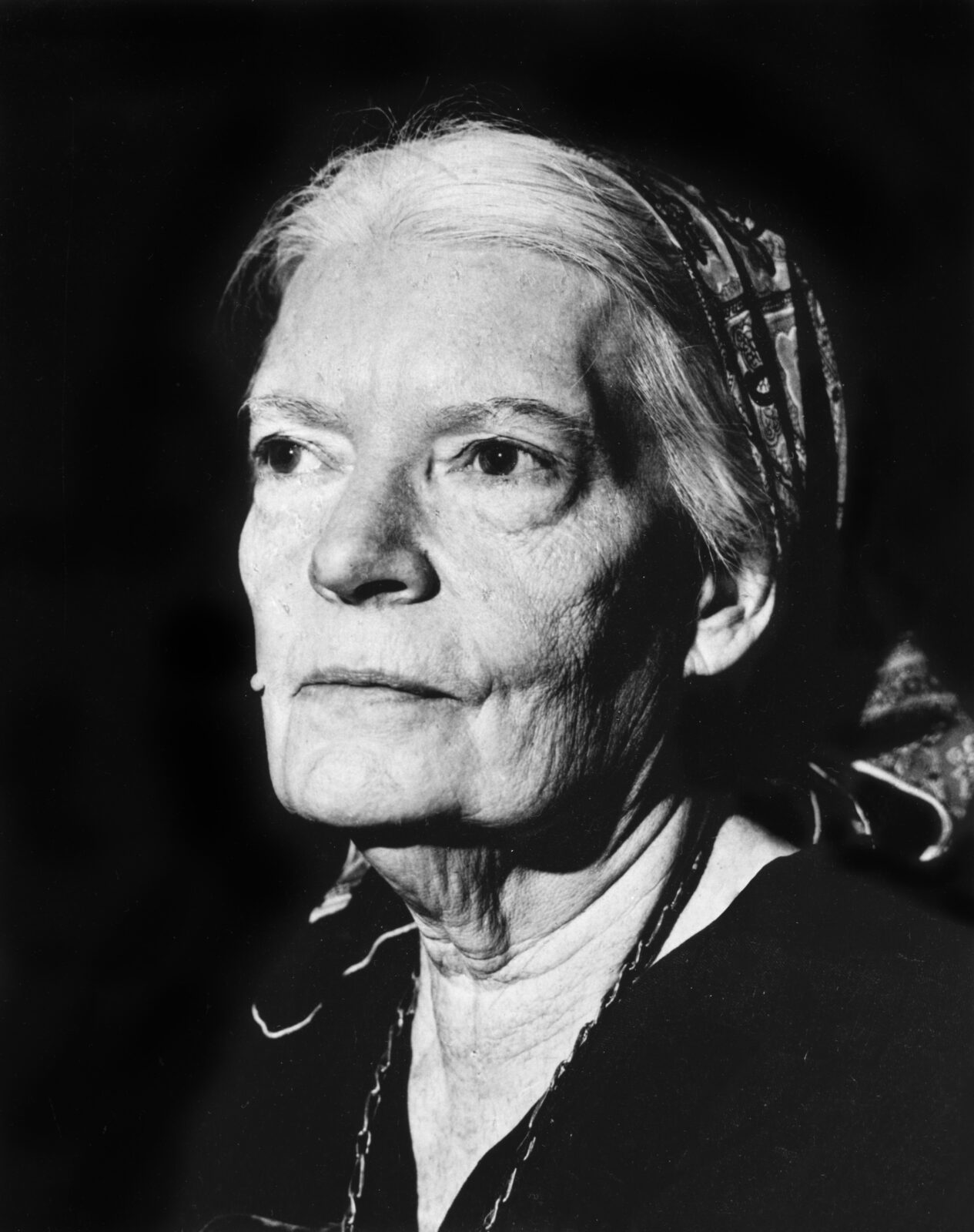
Servant of God Dorothy Day
Servant of God Dorothy Day, co-founder of the Catholic Worker movement
Servant of God Dorothy Day watched her daughter, Tamar, baptized into the Catholic faith in 1927 and felt something profound. Months later, she was received into the Church, much to the opposition of her atheist husband, and which led to the dissolution of their marriage. In her early life, Day had experienced addiction, abortion and a struggle for meaning that she struggled to satisfy. What rose from her daughter’s baptism and her own conversion became a vocation. As co-founder of the Catholic Worker Movement with Peter Maurin, Day spent decades of her life in faithful service to the poor and sharing the Gospel message with others. (Further reading: “The Long Loneliness,” the autobiography of Dorothy Day)
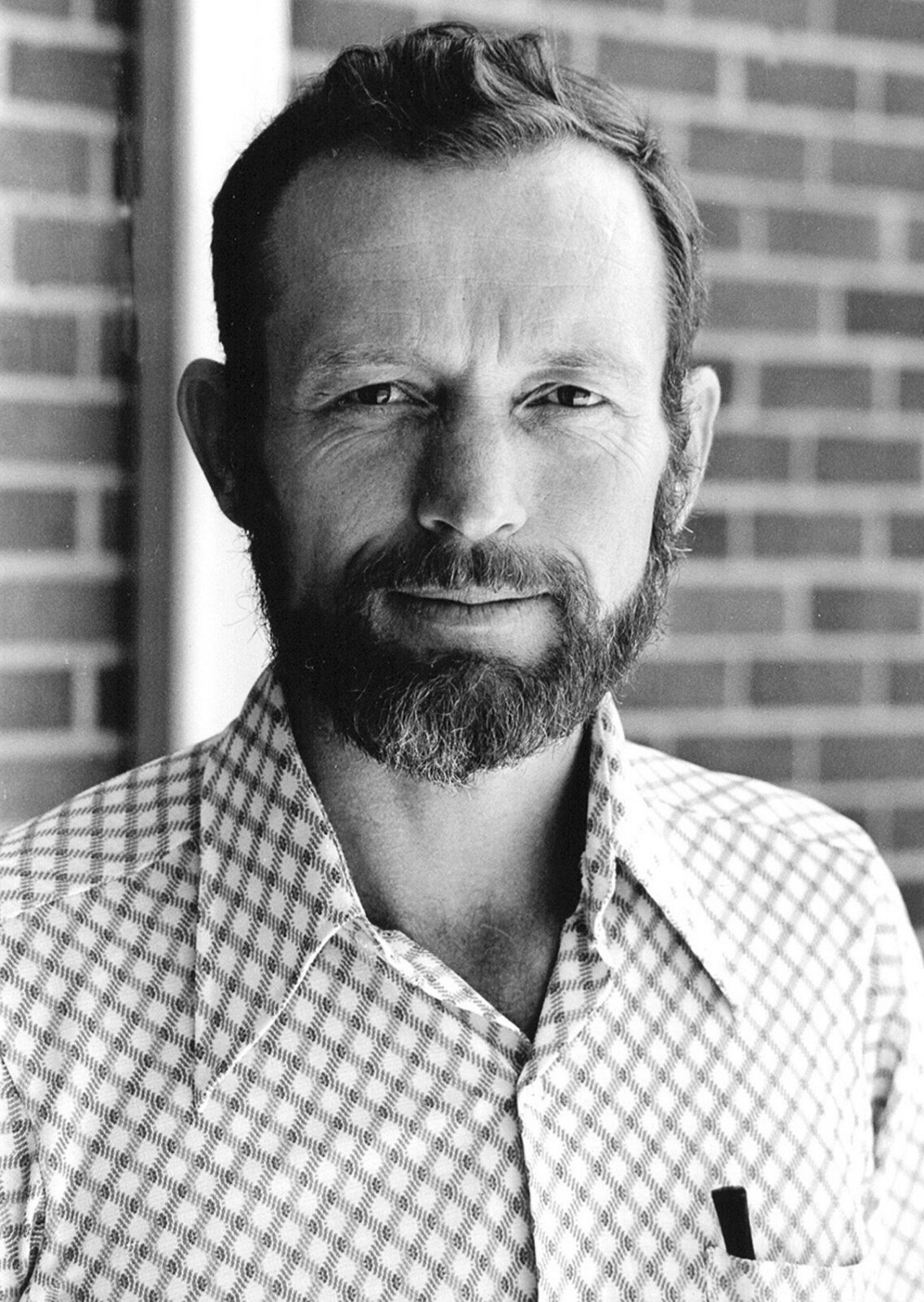
Blessed Stanley Rother
Blessed Stanley Rother, American missionary priest martyred in Guatemala
Blessed Stanley Rother almost didn’t become a priest. The farm kid from Okarche, Oklahoma, almost withdrew from the seminary because of academic struggles, especially Latin. After ordination, he was assigned to the diocesan-sponsored mission in Guatemala and learned the indigenous Tz’utujil language. During the Guatelmalan Civil War, Father Rother became deeply connected to his parishioners at Santiago Atitlán. When a death squad put his name on a list, he temporarily left but then came back, saying that he couldn’t abandon his people. In 1981, he was assassinated. His parishioners requested to keep his heart, which is enshrined under the altar of the church, with his body buried in Oklahoma. (Further reading: “The Shepherd Who Didn’t Run: Blessed Stanley Rother, Martyr from Oklahoma,” by Maria Ruiz Scaperlanda)
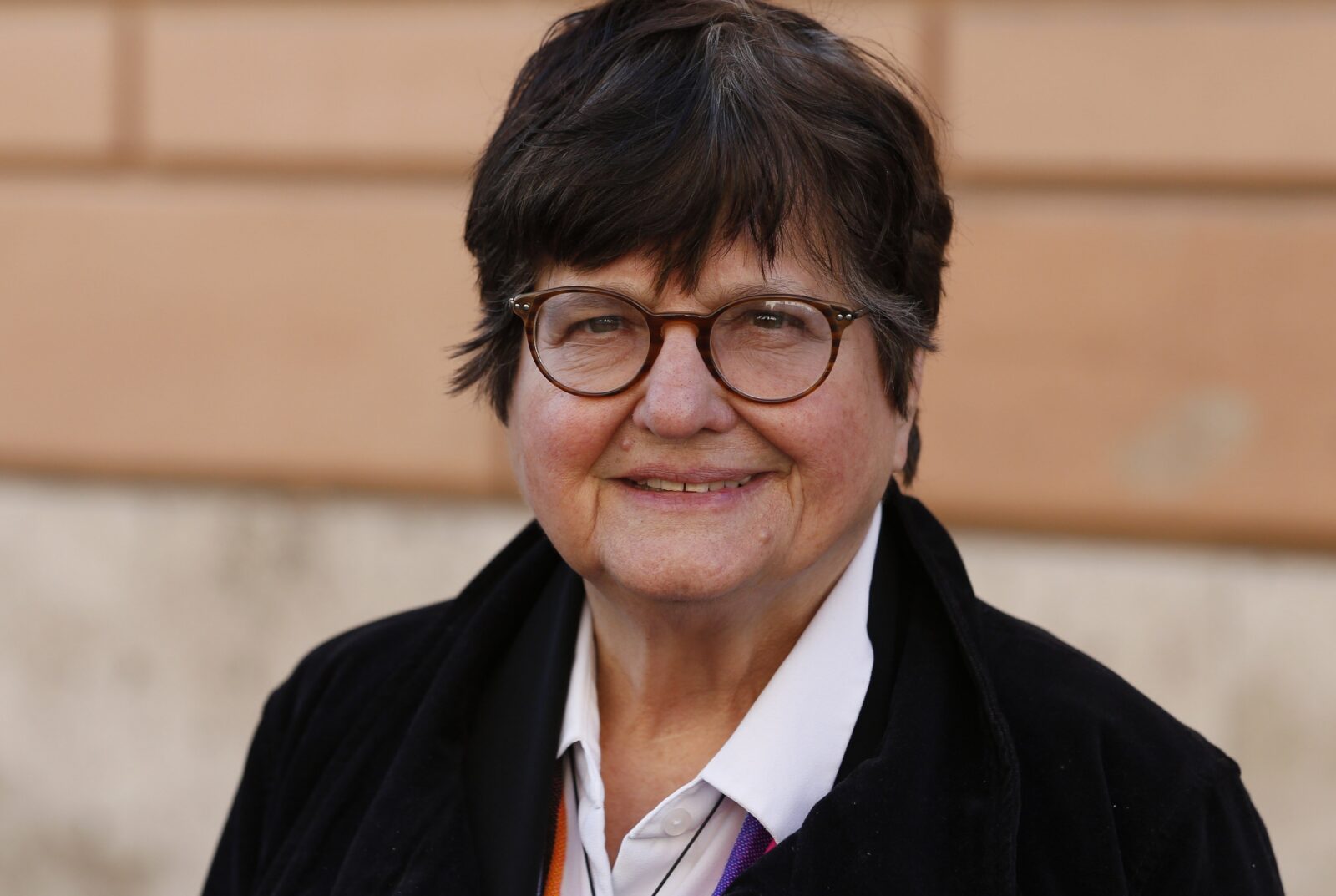
Sister Helen Prejean
Sister Helen Prejean, advocate against the death penalty
In 1982, New Orleans native Sister Helen Prejean, a religious sister from the Congregation of St. Joseph, agreed to write letters to a stranger on death row, not fully understanding what she had committed to. She eventually sat with Patrick Sonnier as the state of Louisiana executed him. Sister Helen’s life and mission changed after that moment. She eventually began a decades-long ministry to the incarcerated, their families and to the families of victims. “All human beings are worth more than the worst thing they’ve done in their life; is that not the message of Jesus to all of us?” she said in a 2016 interview. More than 40 years after her first letter to a stranger on death row, Sister Helen continues to bear witness to the dignity of human life. (Further reading: “Dead Man Walking,” the memoir of Sister Helen Prejean)
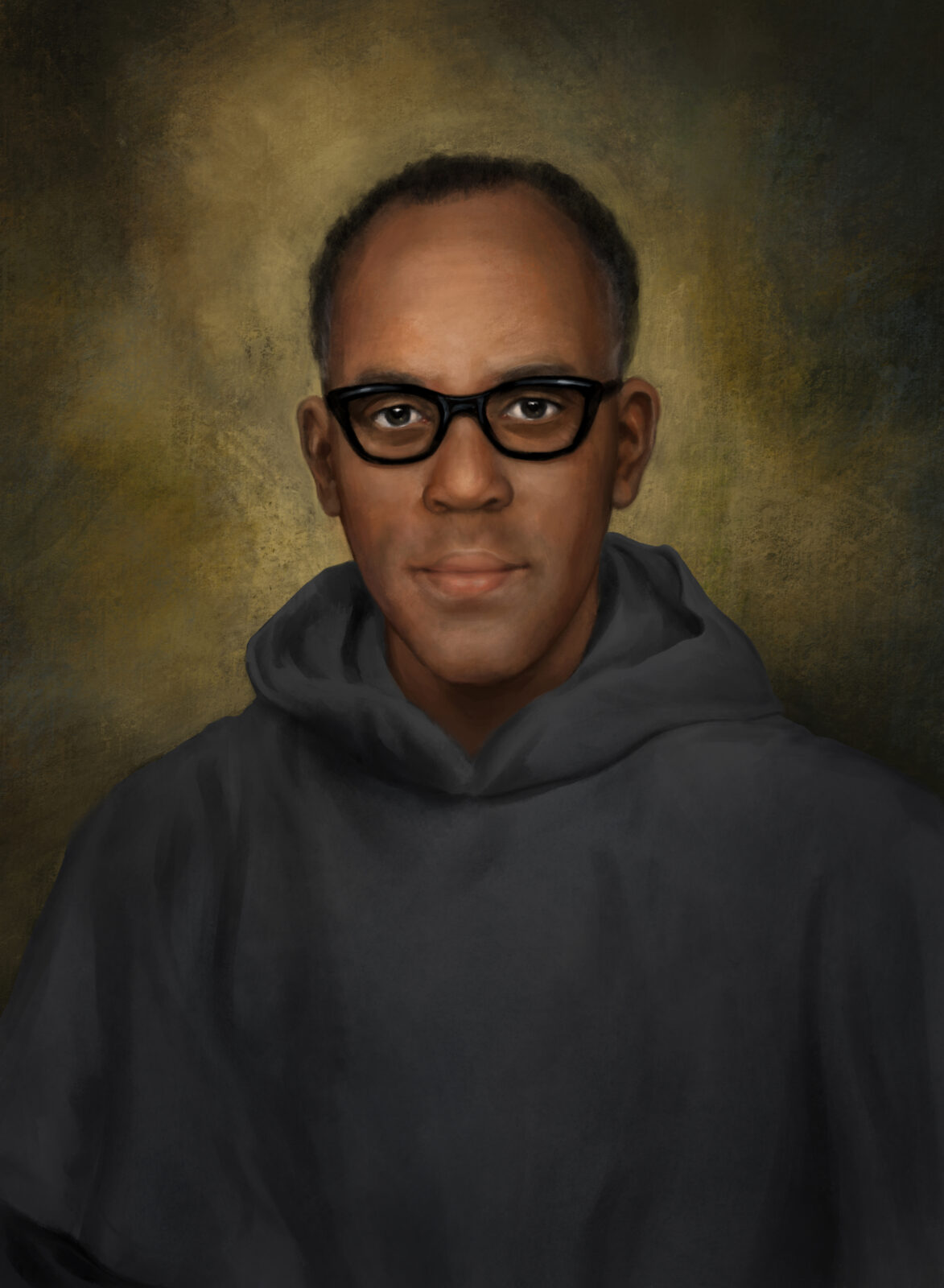
Servant of God Friar Martin Maria de Porres Ward, OFM
Servant of God Friar Martin Maria de Porres Ward, OFM, African-American priest who ministered in Brazil
Matthias Ward converted to the Catholic faith as a teenager and felt a call to religious life. He followed his vocational call in a time when most U.S. seminaries were closed to African-American candidates. In 1945, he wrote to the Conventual Franciscans’ vocations director: “I wish to state that I am colored … if you think it not wise to accept me, I shall not in any way feel hurt.” They accepted him and he was ordained in 1955. As the first African American in his community, he was effectively barred from ministry in the United States because of his race, and he volunteered for the community’s mission in Brazil instead. He spent more than 40 years there teaching, providing pastoral care and forming young friars. When he died in 1999, his grave became a place of pilgrimage. Even though he faced rejection within his own Church, he became an example of someone who faithfully served the people of God. (Further reading: stlreview.com/3NY30yU)
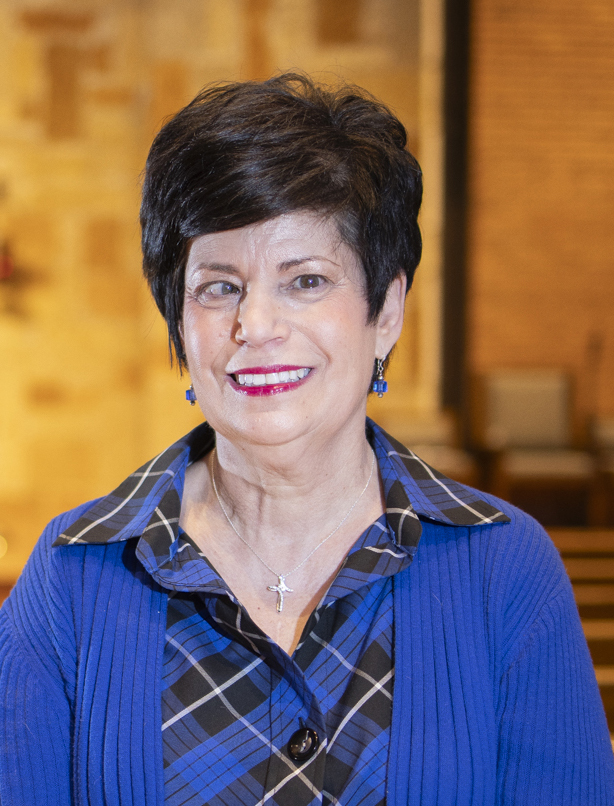
Bobette Figler
Bobette Figler, retired mental health counselor and Incarnate Word parishioner
Bobette Figler was 11 years old, living in a home with abuse and neglect, when she turned on the television and became captivated by the messages of several televangelists. She didn’t yet know about Jesus or Christianity, but she felt compelled to pray a simple prayer to God: “Show me who You are.” What followed was anything but simple. Bobette lived in 21 foster homes, faced severe health crises, legal blindness and a journey through Christian communities via her foster homes that eventually led her to the Catholic Renewal Center for healing, and eventually the Eucharist and the Catholic Church.
Her wounds became a central part of her vocation as a licensed counselor, helping others with mental health and substance use.. She is retired now and remains active in her parish, Incarnate Word in Chesterfield. “God’s mercy is just unfathomable,” she said. “Today, especially with the way our world is, and just all the confusion and the suffering, people are wondering if God is really there. All He asks us to do is reach out and ask. In the substance abuse recovery field there’s a saying that goes, ‘Don’t quit before the miracle.’ What’s the miracle? It’s Christ.”
Ways to live the resurrection
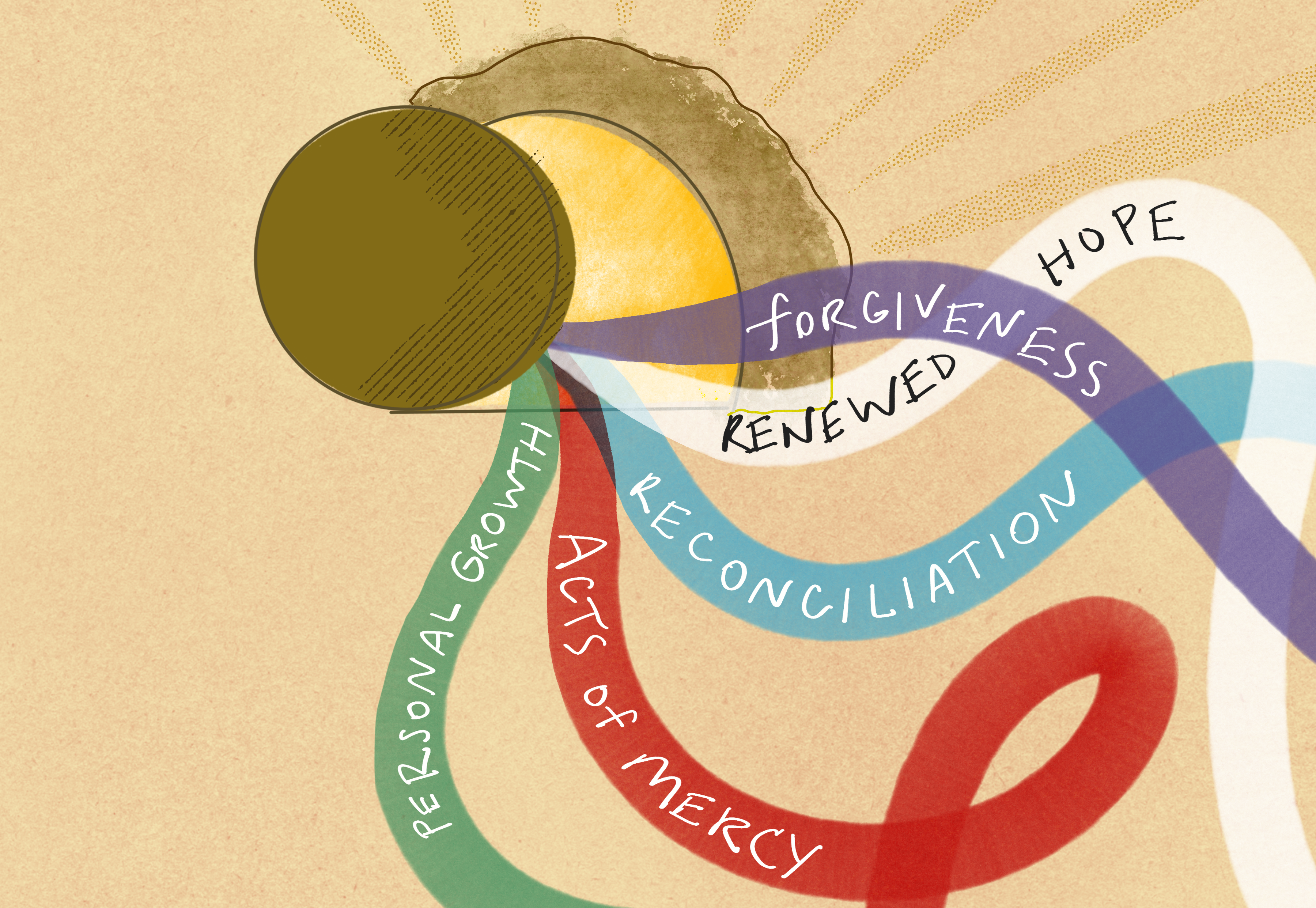
Christ’s resurrection is not just an event that happens at Easter. It’s something offered to all of us in our daily lives. Here are some ways to look for the resurrection in everyday life.

Forgiveness: Who comes to mind when you hear the word forgiveness? Think of someone with whom you have a relationship with that has something unresolved. Consider having a face-to-face conversation. If that’s too much, consider writing a letter that you don’t send or say a prayer for the person.

Reconciliation: Is there someone you’ve drifted from over the years? Consider reaching out to them, not to dwell on the past or why you may have drifted, but to tell them you’ve been thinking about them. Think of a small gesture — a text, a comment on the person’s social media post or a phone call — to open the door to a resurrection moment.

Acts of service: Find a concrete act of service during the Easter season through your parish, a social service organization or a neighbor, friend or family member who is carrying a burden. After His resurrection, Christ appeared to those who were experiencing fear, doubt or grief and offered them comfort and peace. Acts of service similarly bring peace to those in need.

Embracing hope after hardship: Think about an area of your life where you’ve stopped expecting things to get better. Bring that intention to prayer and ask for God’s guidance and support. Easter reminds us that while suffering may not end, it isn’t the final word.