
Conversion almost seems like a bad word these days. There’s often a judgment against those called to conversion. But the impetus behind conversion is not the sin that we are turning away from, but the love that we are responding to and the joy that flows from it.
Ponder the joy of Jesus for a moment. Total. Irrevocable. Eternal. Now consider this: We are called not merely to admire the joy of Jesus, but to share in it.
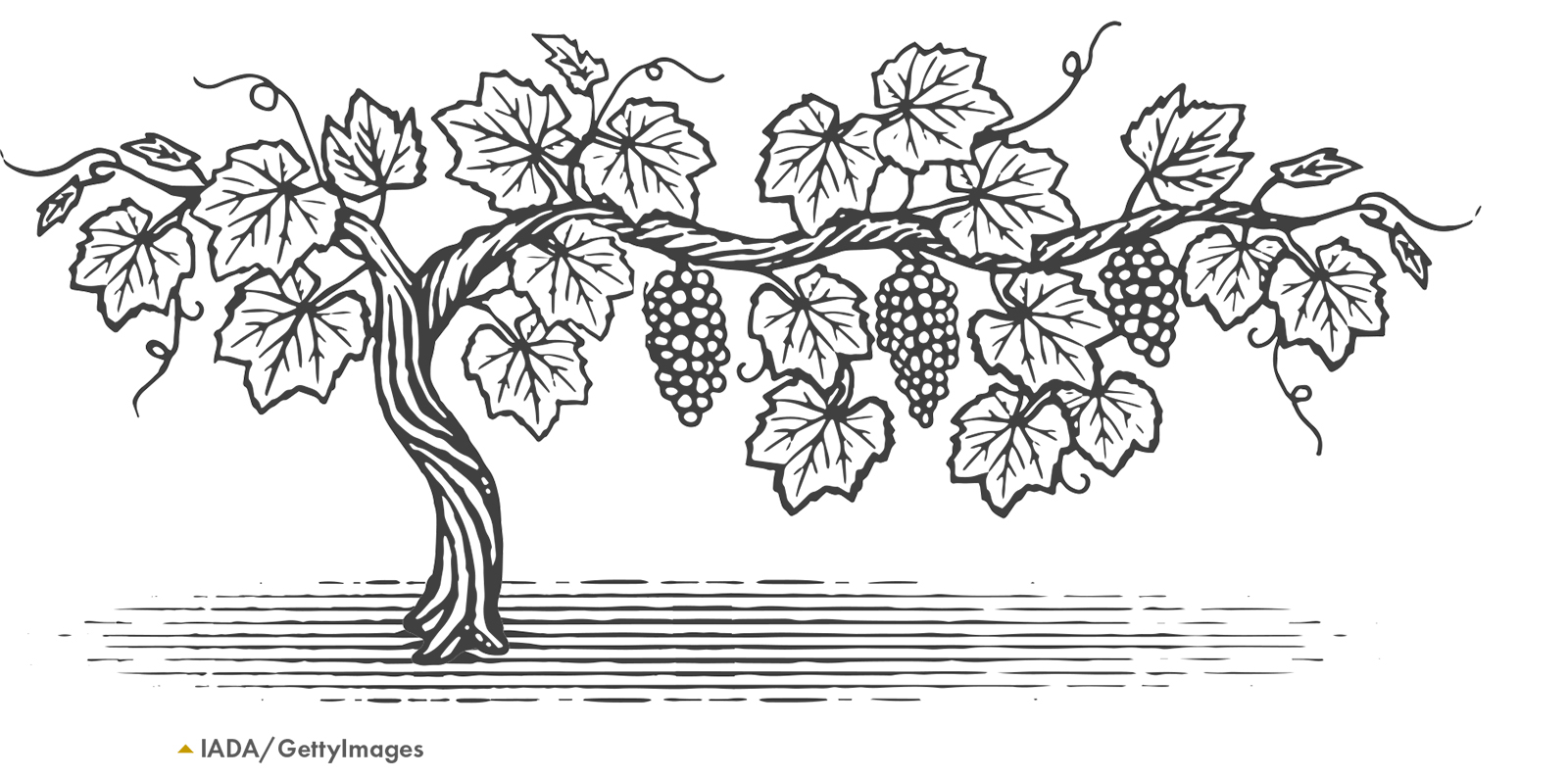
In chapter 15 of the Gospel of John, Jesus gives us the image that unlocks this mystery: “I am the vine, you are the branches.”
The branch has no independent life. Its vitality, fruitfulness and endurance depend entirely upon remaining grafted into the vine. “Abide in my love,” He says, “so that my joy may be in you and your joy may be complete” (John 15:11). Christian joy is not self-generated optimism; it is participation in the very joy of the Son of God.
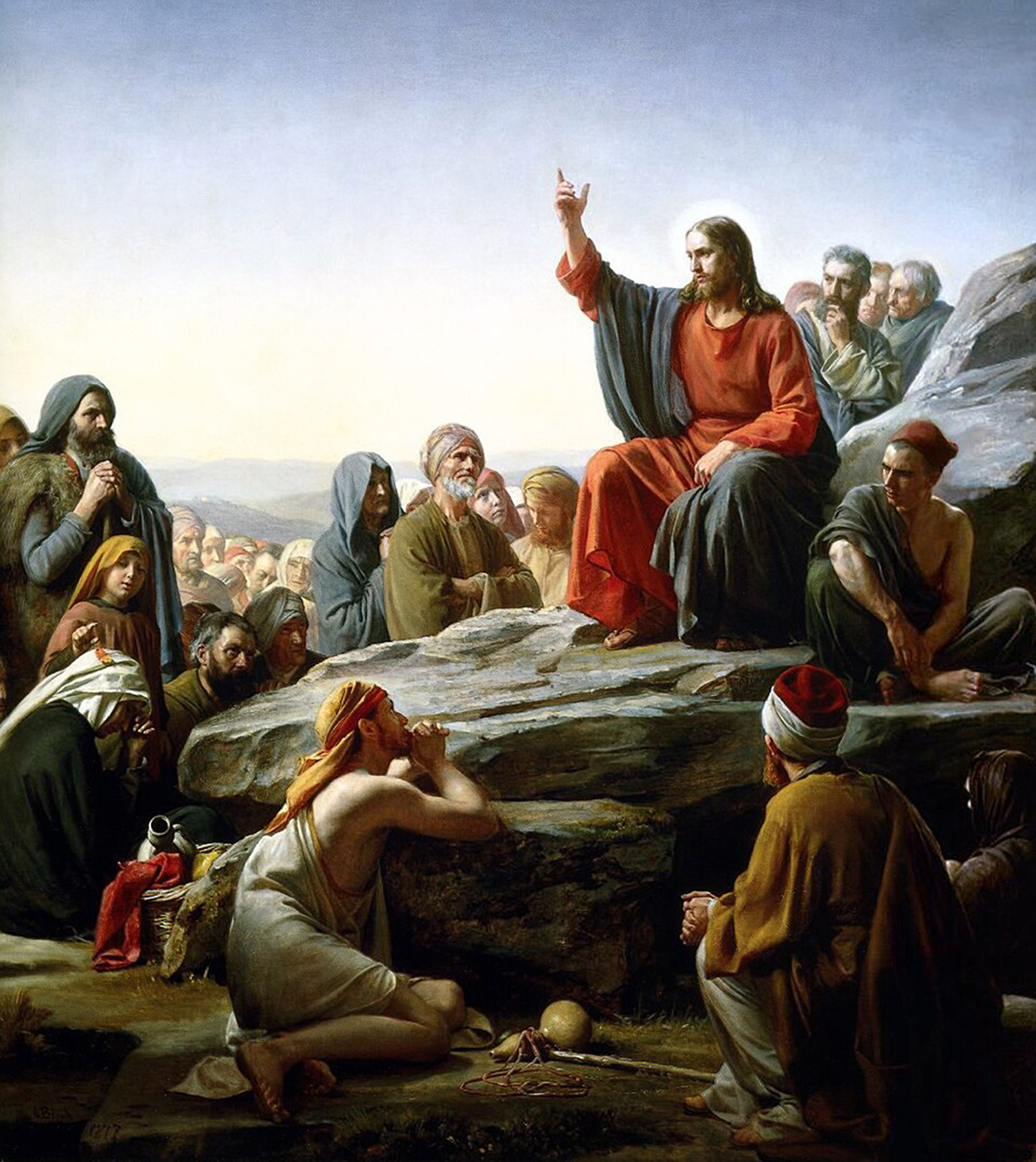
Jesus is joyful because He abides in the Father’s love. The Son lives in a ceaseless communion of receiving and returning love. His joy flows from this eternal exchange. In the Gospels, we glimpse that joy breaking into history. He rejoices when the Father reveals divine mysteries not to the self-sufficient but to the childlike (Matthew 11:25). He exults when Peter confesses, “You are the Christ, the Son of the living God,” and declares, “Flesh and blood has not revealed this to you, but my heavenly Father” (Matthew 16:17). The joy of Jesus is the joy of seeing the Father at work — revealing, drawing, awakening faith.
At the Last Supper, this intimacy deepens. When Philip asks, “Show us the Father,” Jesus responds, “Whoever has seen me has seen the Father” (John 14:9). The joy of Christ is not a private possession; it is revelation. He opens to us the very heart of God. “I no longer call you servants… I have called you friends, because I have told you everything I have heard from my Father” (John 15:15). Friendship with Christ means being drawn into the conversation between the Father and the Son. It means living inside that communion.
Christian life is fundamentally relational before it is functional. As missionary disciples, we do not begin with strategies; we begin with abiding. Time with Jesus in prayer. Immersion in His word in Scripture. Participation in the sacraments, where His life flows into ours. Each of these is not an obligation layered onto our schedule but a grafting into divine life. The Eucharist, especially, is communion with the Son who eternally receives Himself from the Father and returns Himself in love. In Him, we learn to do the same.
Notice how Jesus teaches us to pray: “Our Father.” Every collect of the Mass is addressed to the Father, through the Son, in the Holy Spirit. The entire liturgy reveals the pattern of our joy: through Jesus, with Jesus and in Jesus, we are reconciled to the Father and conformed to His will. Our deepest happiness is not autonomy but communion — doing the will of the One who loves us into existence.
This joy is not fragile. It does not depend on favorable circumstances or worldly approval. It is rooted in abiding love. The world may wound, misunderstand or persecute, but it cannot sever us from the vine unless we choose to detach ourselves. The joy of Christ is the joy of belonging to the Father. And when we remain in Him, that joy becomes ours — complete, resilient and untouchable.