A U.S. bishop is highlighting the nation’s growing mental health crisis, while pointing to the “divine medicine” offered by Christ through the work of the Church.
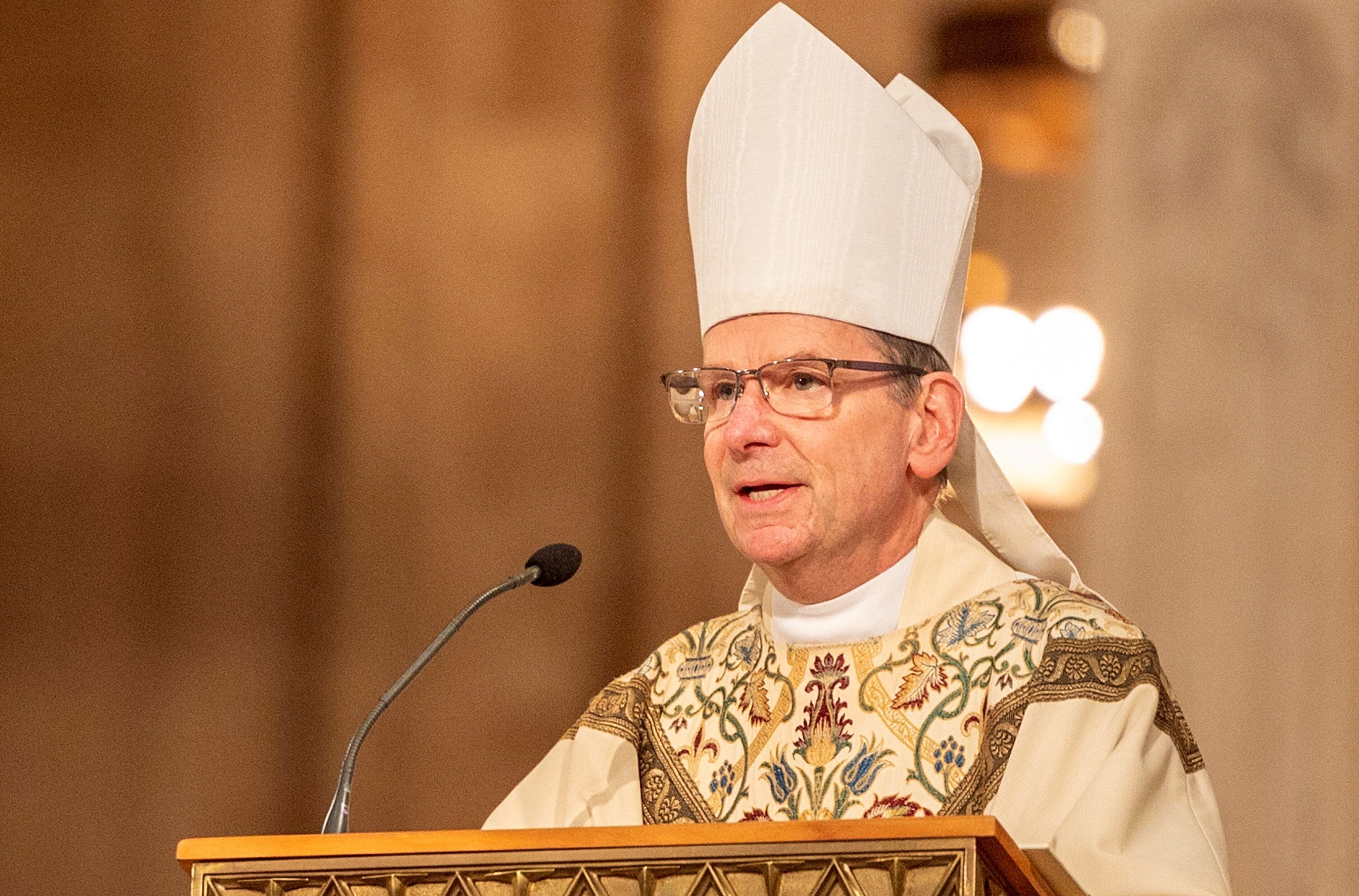
On Jan. 19, Bishop Michael F. Burbidge of Arlington, Virginia, released “The Divine Physician and a Christian Approach to Mental Health and Wellbeing,” a pastoral letter surveying the state of mental health in the U.S. and offering both “encouragement and guidance” in addressing mental health challenges “in light of the teachings of Christ and the Gospel.”
Bishop Burbidge said the letter was prompted by his “increasing pastoral concern” over “the emergence of a broad crisis concerning mental health that is negatively impacting Americans, and especially young people, in terms of their spiritual, mental, emotional and physical wellbeing.”
He described “the scale and scope of this crisis” as “staggering,” citing data from the National Alliance on Mental Illness indicating that one in five American adults experience mental health challenges each year.
The pastoral letter, available on the Diocese of Arlington’s website, also announced the creation of a diocesan mental health council to provide resources for “those experiencing significant mental health challenges as well as their loved ones.”
Bishop Burbidge said the council also is “committed to providing training opportunities for mental health counselors” so that they can better ground their services “in a Catholic anthropology that emphasizes the sacredness of all human life and the dignity of every person.”
Central to the bishop’s pastoral letter was an understanding of the human person as a divinely created being redeemed by Christ.
Bishop Burbidge situated the issue of mental health within the broader context of God’s eternal plan for humanity, and the “negative effects of our separation” from God, which “so obviously frustrate our natural desires for health, wellbeing, and lasting happiness.”
The numerous healings Christ performed in His earthly ministry, “revealing His authority over ailments affecting mind, body, and soul,” point to His intention to ultimately redeem humanity fully from the effects of sin and death, Bishop Burbidge said.
He said that “faith and trust in God are shown to be the keys to everlasting health and wellbeing for humanity,” while emphasizing that “we must be careful in recognizing that not all who ask for healing are healed, either in the way they want or in the timeframe for which they may hope.”
Bishop Burbidge explored the issue of mental health with respect to several considerations: the ongoing stigma many feel in seeking help; the mystery of human suffering, which can be redemptive when united with that of Christ; and the social realities that have led to increased loneliness and disconnection.
The Church has been entrusted with a mission to bring Christ’s healing to all of these wounds, Bishop Burbidge said.
Christians “have a particular responsibility to address the stigmas that prevent people from seeking help and to remove barriers that keep so many stuck in patterns of isolation and misery,” he said.
Less than half of Americans experiencing mental health issues seek treatment, with those who do often waiting years to enter into counseling, he noted.
He urged the faithful to be “willing to connect with others,” since “we are made for community and find purpose when given the chance to cultivate authentic relationships with others and practice virtues like compassion.”
In addition, he said, “due to the structure of our society, we must be more intentional than ever about our daily priorities, especially including our prioritization of relationship with friends and family.”